5 Hormone Balancing Diet Tips for Better Health and Wellness
Hormones play a major role in overall health and well-being. They influence metabolism, mood, energy levels, sleep, digestion, reproductive health, and even weight management. When hormones become imbalanced, the body may experience symptoms such as fatigue, mood swings, acne, irregular sleep, cravings, weight gain, and low energy. While many factors affect hormonal health, diet is one of the most powerful and natural ways to support balance in the body.
A hormone balancing diet focuses on nutrient-rich foods that help regulate blood sugar, reduce inflammation, improve gut health, and provide the vitamins and minerals needed for healthy hormone production. The good news is that you do not need extreme diets or complicated meal plans to support hormonal wellness. Simple food choices can make a significant difference over time.
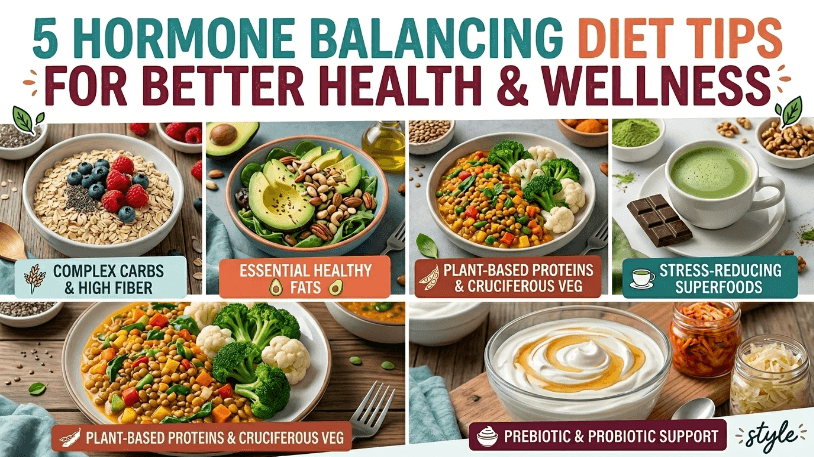
This article explores five effective hormone balancing diet strategies that can help improve energy, support metabolism, and promote overall wellness naturally.
Why Hormonal Balance Matters
Hormones are chemical messengers produced by glands in the endocrine system. They travel through the bloodstream and help regulate many important body functions.
Some key hormones include:
- Insulin
- Cortisol
- Estrogen
- Progesterone
- Testosterone
- Thyroid hormones
When these hormones are balanced, the body functions more efficiently. However, poor nutrition, stress, lack of sleep, and unhealthy lifestyle habits can disrupt hormone production.
Common signs of hormonal imbalance may include:
- Low energy
- Increased cravings
- Mood changes
- Weight fluctuations
- Trouble sleeping
- Digestive discomfort
- Skin issues
A healthy diet can help support the body naturally and improve hormonal stability over time.
1. Eat More Healthy Fats
Healthy fats are essential for hormone production because many hormones are made from cholesterol and fatty acids. Completely avoiding fats may negatively affect hormonal health.
Best Healthy Fat Sources
- Avocados
- Olive oil
- Nuts
- Seeds
- Fatty fish
- Nut butters
Why Healthy Fats Matter
Healthy fats help support brain function, reduce inflammation, and improve hormone signaling in the body.
Simple Meal Idea
Add avocado slices to salads or use olive oil as a dressing for vegetables and grain bowls.
2. Prioritize Protein at Every Meal
Protein provides amino acids that the body needs for hormone production and tissue repair. It also helps regulate hunger hormones and stabilize blood sugar levels.
High-Quality Protein Sources
- Eggs
- Chicken breast
- Fish
- Greek yogurt
- Lentils
- Beans
- Tofu
Benefits of Protein
Eating enough protein may help reduce cravings, support metabolism, and maintain steady energy throughout the day.
Easy Tip
Include a protein source with breakfast instead of relying only on carbohydrates.
3. Choose Fiber-Rich Foods
Fiber supports digestive health and helps regulate hormones by improving blood sugar control and supporting healthy gut bacteria.
High-Fiber Foods
- Oats
- Berries
- Apples
- Broccoli
- Chia seeds
- Lentils
Why Fiber Helps Hormones
Fiber may help the body remove excess hormones naturally and support balanced insulin levels.
Daily Habit
Aim to include vegetables or fruits with every meal for better digestion and satiety.
4. Reduce Added Sugar and Processed Foods
Excess sugar and highly processed foods can lead to blood sugar spikes and increased inflammation, which may disrupt hormonal balance.
Foods to Limit
- Sugary drinks
- Candy
- Packaged snacks
- Fast food
- Refined carbohydrates
Benefits of Reducing Sugar
Lower sugar intake may help improve energy, reduce cravings, and support stable insulin levels.
Better Alternatives
Choose whole foods, fresh fruits, and homemade snacks whenever possible.
5. Support Gut Health
The gut plays a major role in hormone regulation because healthy digestion supports nutrient absorption and hormone metabolism.
Gut-Friendly Foods
- Yogurt
- Kefir
- Kimchi
- Sauerkraut
- Bananas
- Oats
Why Gut Health Matters
A healthy gut microbiome may help reduce inflammation and support hormonal communication in the body.
Helpful Routine
Drink enough water daily and include probiotic-rich foods regularly.
Best Foods for Hormonal Balance
Keeping nutritious foods at home can make healthy eating easier.
Fruits
- Berries
- Apples
- Oranges
- Bananas
Vegetables
- Spinach
- Kale
- Broccoli
- Sweet potatoes
Healthy Fats
- Avocados
- Almonds
- Walnuts
- Olive oil
Protein Sources
- Eggs
- Fish
- Chicken
- Beans
- Lentils
Lifestyle Habits That Support Hormonal Health
Diet works best when combined with healthy daily habits.
Get Enough Sleep
Poor sleep can affect cortisol and hunger hormones.
Manage Stress
Chronic stress may increase cortisol levels and disrupt hormone balance.
Exercise Regularly
Moderate exercise supports metabolism and insulin sensitivity.
Stay Hydrated
Proper hydration supports digestion and overall body function.
Common Mistakes to Avoid
Some eating habits may negatively impact hormones over time.
Skipping Meals
Irregular eating patterns can affect blood sugar and energy levels.
Eating Too Much Processed Food
Processed foods often contain excess sugar, unhealthy fats, and additives.
Avoiding All Carbohydrates
Healthy carbohydrates like oats and fruits provide energy and fiber.
Ignoring Sleep and Stress
Diet alone cannot fully support hormonal health without proper rest and stress management.
What foods help balance hormones naturally?
Healthy fats, protein, fiber-rich foods, and vegetables support hormonal health naturally.
Can sugar affect hormones?
Yes, excess sugar may disrupt insulin and increase inflammation.
Is protein important for hormone balance?
Yes, protein supports hormone production and appetite regulation.
Are healthy fats necessary for hormones?
Yes, hormones need healthy fats for proper production and function.
Can fiber help hormonal health?
Yes, fiber supports digestion and balanced blood sugar levels.
What drinks support hormonal balance?
Water, herbal teas, and low-sugar smoothies are good options.
Final Thoughts
A hormone balancing diet focuses on nourishing the body with wholesome, nutrient-rich foods that support overall wellness naturally. By including healthy fats, protein, fiber, and gut-friendly foods while reducing excess sugar and processed meals, you can help your body function more efficiently and maintain steady energy levels.
The five diet strategies shared in this article are simple, realistic, and sustainable for daily life. Small changes like adding more vegetables, improving hydration, and choosing whole foods can positively impact hormonal health over time.
Consistency is key when it comes to wellness. Supporting hormones through balanced nutrition, quality sleep, stress management, and healthy habits can help improve energy, mood, digestion, and long-term health naturally.