6 Korean Diet Recipes for Healthy Weight Loss and Better Energy
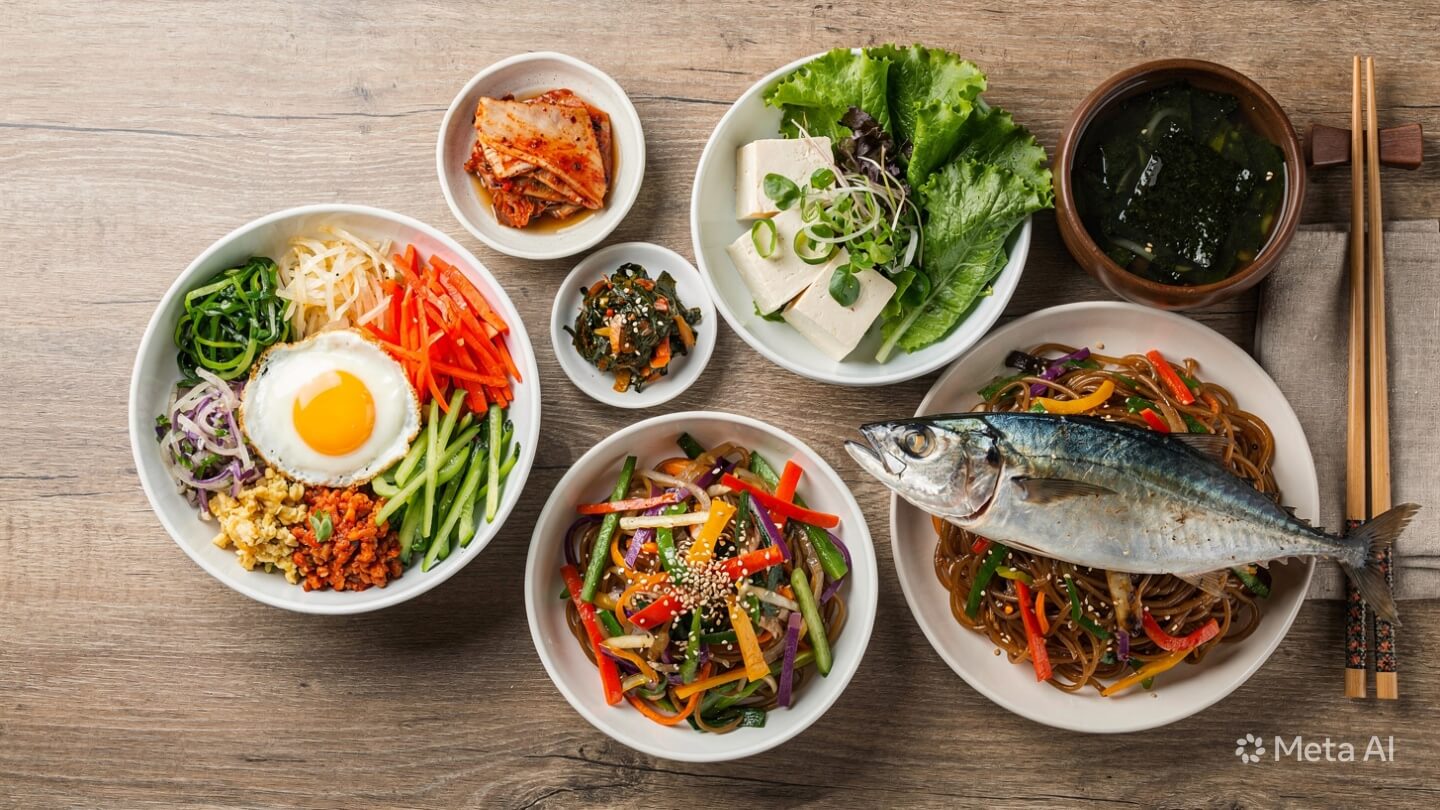
Korean cuisine is known for its balance of fresh vegetables, lean proteins, fermented foods, and flavorful seasonings. Many traditional Korean meals are naturally healthy, low in unhealthy fats, and packed with nutrients that support weight management and overall wellness. If you want meals that are delicious, filling, and easy to prepare, these Korean diet recipes are perfect additions to your routine.
1. Bibimbap (Korean Mixed Rice Bowl)
Bibimbap is one of the most popular Korean dishes and a great healthy meal option. It combines rice, sautéed vegetables, lean protein, and a spicy sauce for a balanced and satisfying bowl.
Ingredients
- 1 cup cooked brown rice
- 1 egg
- 1 cup spinach
- 1 carrot, sliced
- 1 zucchini, sliced
- 100g grilled chicken or tofu
- 1 tbsp gochujang sauce
Instructions
- Cook and prepare all vegetables separately.
- Place rice in a bowl and arrange vegetables on top.
- Add grilled chicken or tofu and a fried egg.
- Drizzle with gochujang sauce and mix before eating.
Why It’s Healthy
Bibimbap contains fiber, protein, and healthy vegetables that help keep you full longer.
2. Kimchi Soup (Kimchi Jjigae)
Kimchi soup is warm, comforting, and loaded with probiotics from fermented kimchi. It is excellent for digestion and immunity.
Ingredients
- 1 cup kimchi
- 150g tofu cubes
- 1 small onion
- 2 cups vegetable broth
- 1 tsp sesame oil
- Green onions for garnish
Instructions
- Sauté onion and kimchi in sesame oil.
- Add broth and simmer for 15 minutes.
- Add tofu and cook for another 5 minutes.
- Garnish with green onions before serving.
Why It’s Healthy
Kimchi is rich in probiotics that support gut health and digestion.
3. Korean Cucumber Salad (Oi Muchim)
This refreshing cucumber salad is light, crunchy, and full of flavor. It makes an excellent low-calorie side dish.
Ingredients
- 2 cucumbers, sliced
- 1 tsp chili flakes
- 1 tsp soy sauce
- 1 tsp sesame oil
- 1 garlic clove, minced
Instructions
- Mix all ingredients in a bowl.
- Let it sit for 10 minutes before serving.
- Serve chilled for best flavor.
Why It’s Healthy
Cucumbers are hydrating and low in calories, making this salad perfect for weight loss.
4. Korean Lettuce Wraps (Ssam)
Korean lettuce wraps are fresh, filling, and easy to customize with healthy ingredients.
Ingredients
- Large lettuce leaves
- 150g grilled chicken or beef
- Sliced garlic
- Brown rice
- Gochujang sauce
Instructions
- Place rice and protein inside lettuce leaves.
- Add garlic and sauce.
- Wrap and enjoy immediately.
Why It’s Healthy
Using lettuce instead of bread lowers calories while adding extra nutrients and crunch.
5. Korean Tofu Stir-Fry
This tofu stir-fry is packed with protein and bold Korean flavors while staying light and nutritious.
Ingredients
- 200g firm tofu
- 1 bell pepper
- 1 onion
- 1 tbsp soy sauce
- 1 tsp sesame oil
- 1 tsp chili paste
Instructions
- Cook tofu until golden brown.
- Add vegetables and stir-fry for 5 minutes.
- Mix in soy sauce and chili paste.
- Serve warm.
Why It’s Healthy
Tofu provides plant-based protein that supports muscle health and keeps you satisfied.
6. Seaweed Soup (Miyeok Guk)
Seaweed soup is a traditional Korean dish that is light, nutritious, and comforting.
Ingredients
- 1 cup dried seaweed
- 100g lean beef or tofu
- 2 cups broth
- 1 tsp soy sauce
- 1 tsp sesame oil
Instructions
- Soak seaweed in water until soft.
- Sauté beef or tofu in sesame oil.
- Add seaweed and broth.
- Simmer for 20 minutes and serve hot.
Why It’s Healthy
Seaweed contains minerals and nutrients that support metabolism and overall health.
Tips for Following a Korean Diet
- Eat more vegetables and fermented foods.
- Choose grilled or steamed dishes instead of fried foods.
- Control rice portions for balanced calories.
- Include protein in every meal.
- Drink plenty of water and avoid sugary drinks.
Are Korean diet recipes good for weight loss?
Yes, many Korean meals are low in calories and rich in nutrients.
Is kimchi healthy to eat daily?
Yes, kimchi contains probiotics that support gut health.
Can I make Korean recipes vegetarian?
Absolutely, tofu and vegetables work well in many dishes.
Are Korean meals spicy?
Some are spicy, but you can adjust the spice level easily.
Conclusion
Korean diet recipes are a delicious way to enjoy healthy, balanced meals without sacrificing flavor. From nutrient-packed bibimbap to comforting seaweed soup, these dishes combine fresh vegetables, lean proteins, and fermented foods that support weight loss, digestion, and overall wellness. Adding these simple Korean recipes to your meal plan can help you eat healthier while enjoying satisfying and flavorful food every day.