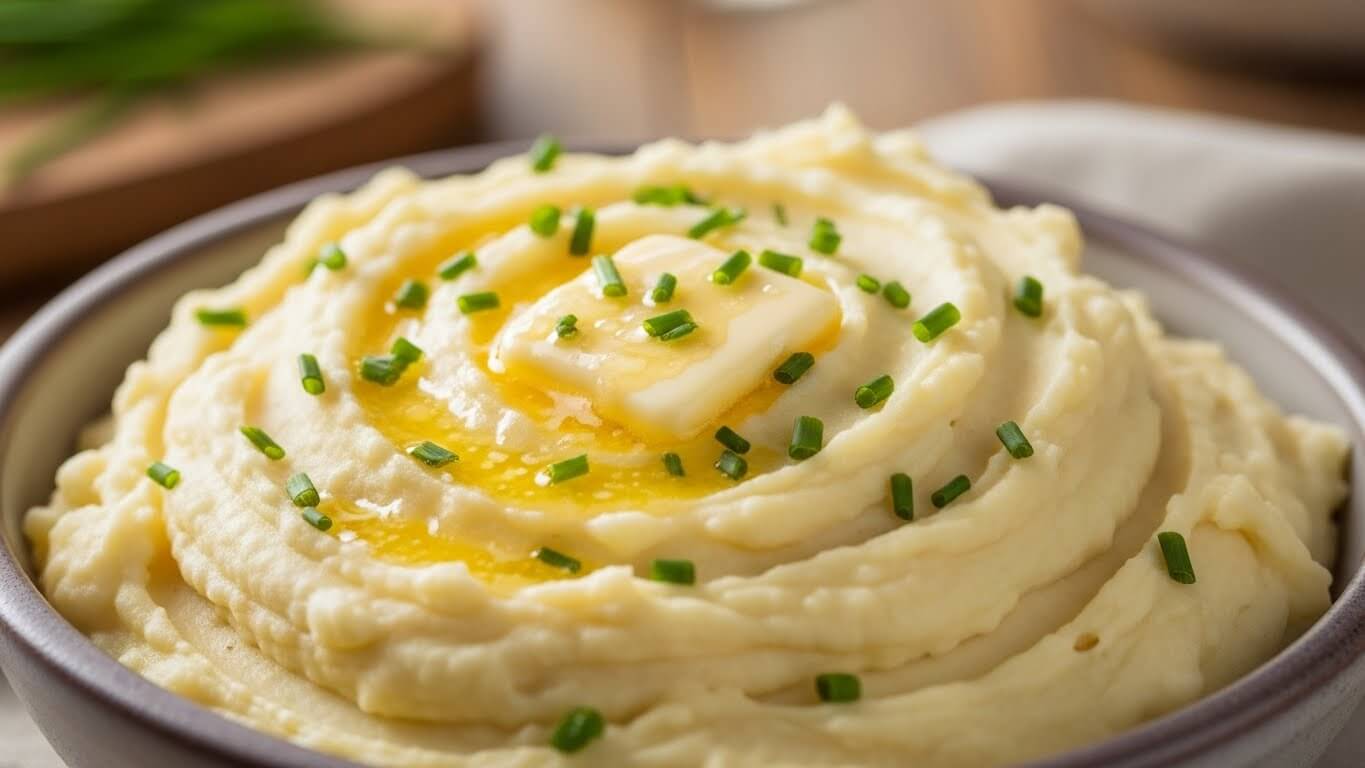
How to Make Mashed Potatoes at Home
One of the most popular comfort foods in the world is mashed potatoes. Few foods are more gratifying than a bowl of expertly prepared mashed potatoes, whether they are served as a holiday side dish, a weeknight mainstay, or a creamy accompaniment to roasted meats and vegetables. Even so, many people find it difficult to achieve the ideal texture and flavor.
This comprehensive guide will help you through every step of making fluffy, creamy, and flavorful mashed potatoes, from selecting the correct potatoes to mastering seasoning, texture, and variations. You’ll be able to prepare mashed potatoes flawlessly every time by the end.
Why Are Mashed Potatoes a Timeless Favorite?
The reasons mashed potatoes have endured over time are:
- Simple to prepare
- Cost-effective
- Comforting and satisfying
- Adaptable enough to create countless taste combinations
They go well with vegetarian meals as well as roasted chicken, turkey, beef, lamb, and gravy.
Choosing the Right Potatoes for Mashed Potatoes:
Choosing the proper potato variety is the first step in learning how to create mashed potatoes. When cooked and mashed, different potatoes behave differently.
1. Yukon Gold Potatoes:
For mashed potatoes, these are frequently regarded as the best potatoes. They need less extra fat because of their inherently creamy texture and buttery flavor.
2. Russet Potatoes:
Russets make light, fluffy mashed potatoes and are heavy in starch. If you like a traditional, airy texture, they’re perfect.
3. Red Potatoes (Optional):
These provide denser mashed potatoes because they are waxier. If you prefer a rustic touch, they are ideal, especially if the skins are left on.
Pro Tip: If you want a smooth, creamy mash, stay away from waxy potatoes like fingerlings.
Essential Ingredients for Mashed Potatoes:
To become an expert at making mashed potatoes, begin with basic, premium ingredients:
1. Basic Ingredients:
- Potatoes (2–3 pounds)
- Milk or heavy cream
Butter (unsalted preferred) - Salt
- Black pepper
Suggestion: It would be better if you use unsalted butter.
2. Optional ingredients:
- Garlic
- Sour cream
- Cream cheese
- Olive oil
- Fresh herbs (chives, parsley, rosemary)
Kitchen Tools You’ll Need:
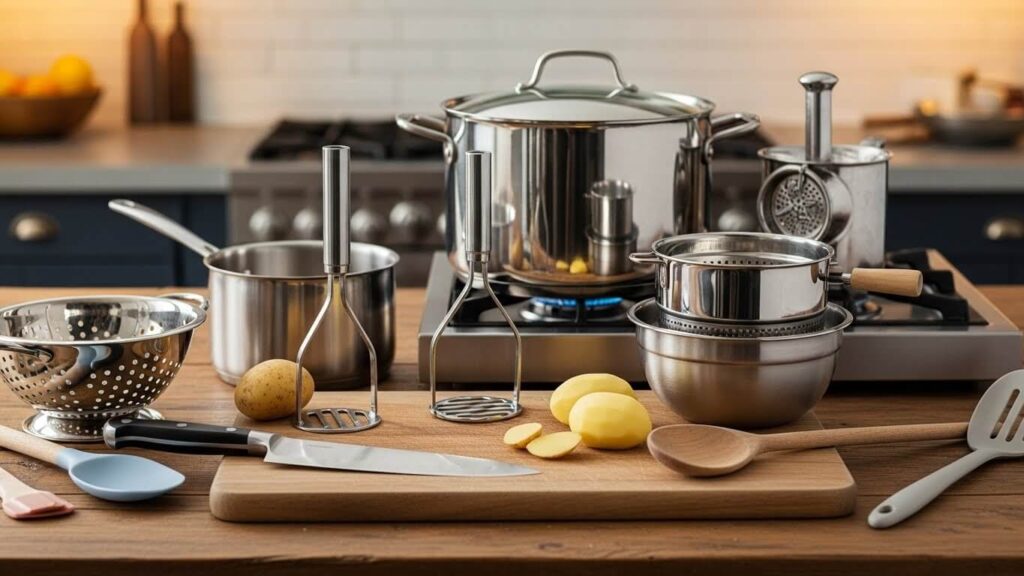
- Large pot
- Potato masher, ricer, or food mill
- Knife and cutting board
- Saucepan (for warming milk and butter)
- Colander
- Knife and cutting board
- Spoon or spatula
Warning: Potatoes can get sticky if the starch is overworked in a blender or food processor.
Step-by-Step Guide to Make Mashed Potatoes:
Step 1: Peel and Cut the Potatoes:
- Give the potatoes a good wash.
Suggestion: If you want smooth mashed potatoes, peel them; if you prefer a more rustic look, leave the skins on.
- Slice the potatoes into pieces of uniform size. This guarantees even cooking and keeps certain parts from being soggy while others stay undercooked.
Step 2: Boil the Potatoes Properly:
- Put the potatoes in a big pot and pour cold water over them.
Suggestion: To ensure that the potatoes cook evenly from the inside out, start with cold water.
- To the water, add a good amount of salt. This is your first opportunity to season the potatoes.
- After bringing the pot to a boil, lower it to a simmer. The potatoes should be fork-tender after 15 to 20 minutes of cooking.
Tip: Test often because overcooking can result in watery mashed potatoes.
Step 3: Drain and Dry the Potatoes:
- After cooking, completely drain the potatoes.
- Put them back in the heated pot and give them a minute or two.
This makes it possible for extra moisture to evaporate, which is essential for creamy mashed potatoes.
Step 4: Mash the Potatoes:
For the desired texture, use the appropriate tool:
Potato Masher: Chunky and rustic
Food mill or ricer: incredibly frothy and silky
Fork: More texture, smaller batches
Warning: The starch may be overworked and the potatoes may become gluey if you use a blender or food processor.
Step 5: Add Butter First:
- Before adding milk or cream to the cooked potatoes, add some warm butter.
Point: Butter keeps the texture creamy while coating the starch molecules and adding taste.
- Gently stir until the butter is completely melted and mixed in.
Step 6: Add Milk or Cream Gradually:
- Before adding the milk or cream to the potatoes, reheat it.
- The texture of the potatoes can be affected by cooling them with cold liquid.
Suggestion: Add gradually while folding or mashing until the consistency is what you want.
Step 7: Season to Perfection:
- To taste, add salt and freshly ground black pepper.
The last stage in perfecting mashed potato cooking is to taste as you go.
Common Mistakes to Avoid When Making Mashed Potatoes:
Even seasoned chefs can make blunders. Here are some traps to stay away from:
- Overmixing results in a gluey texture.
- Including chilled milk or butter
- Under-seasoning the potatoes
- Using the incorrect kind of potato
- Ignoring the drying phase after boiling
Your performance will significantly increase if you avoid these errors.
Flavor Variations to Try at Home:
There are so many uses for mashed potatoes. Here are a few well-known variations:
1. Garlic Mashed Potatoes:
For a deep, flavorful taste, add sautéed or roasted garlic.
2. Cheesy Mashed Potatoes:
For indulgence, stir in grated cream, cheddar, or parmesan cheese.
3. Herb Mashed Potatoes:
Add chopped rosemary, parsley, thyme, or chives.
4. Vegan Mashed Potatoes:
Use plant-based milk and olive oil or vegan butter in place of butter.
5. Loaded Mashed Potatoes:
Add cheese, green onions, sour cream, and crispy bacon pieces on top.
Texture Preferences Explained:
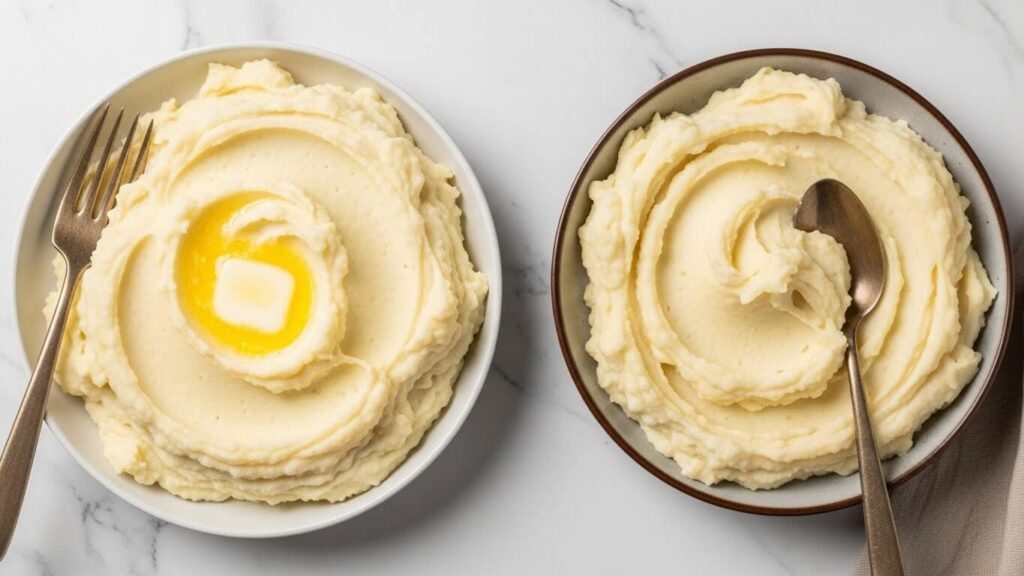
Regarding the texture of mashed potatoes, each person has their own preferences:
Fluffy: Made with little liquid and russet potatoes.
Creamy: Yukon gold potatoes with butter and cream.
Chunky: Skinned red potatoes that have been lightly mashed.
Silky: Warm milk and potatoes run through a ricer.
You may tailor mashed potatoes to your preferences by having an understanding of texture.
Serving Suggestions:
Mashed potatoes go well with many different foods, such as:
- Grilled or roasted meats
- Baked or fried chicken
- Meat loaf
- Dishes with gravy bases
- Braises and stews
- Main courses made with vegetables
Additionally, they are a great foundation for bowls that are topped with proteins, sauces, or veggies.
Storing and Reheating Mashed Potatoes:
1. Storage:
Leftover mashed potatoes can be kept in the fridge for up to three days in an airtight container.
2. Reheating:
Gently reheat in the microwave or on the stove. To bring back the creaminess, add a little milk or butter.
Suggestion: Avoid overheating, which can dry them out, and stir gently.
Why Mashed Potatoes Will Never Go Out of Style?
Because they are cozy, adaptable, and adored by all, mashed potatoes have endured. They adjust to individual preferences, cultural norms, and nutritional requirements. They are still a classic dish whether they are served simply or enhanced with gourmet ingredients.
Care is more important while cooking mashed potatoes than complexity. Even the most basic dish may seem exceptional when you concentrate on using high-quality ingredients and using the right technique.
Do I need to peel potatoes?
Peeling is not required. Skins give texture and nutrition, and peeled potatoes are smoother.
How long should potatoes boil?
Boil until fork-tender, 15 to 20 minutes.
Can mashed potatoes be dairy-free?
Yes, pair plant-based milk with vegan butter or olive oil.
Are mashed potatoes healthy?
Yes, if consumed sparingly and with a hint of seasoning.
Final Thoughts:
A basic culinary skill that comes in handy for many meals is learning how to create mashed potatoes. A simple item may be transformed into a cozy masterpiece with the correct potatoes, careful handling, and careful seasoning.
Mashed potatoes provide warmth, contentment, and a feeling of home whether you are preparing for a family dinner, a holiday get-together, or just yourself on a quiet evening. Learn the fundamentals, try different flavors, and savor this traditional dish’s limitless potential.