5 low sodium meals Healthy and Delicious
I learned about low sodium cooking the hard way. My doctor looked at my blood pressure numbers and said, “You need to cut back on salt.” My first thought was panic. No salt meant no flavor. Right?
Wrong.
The first week was rough, I’ll be honest. Everything tasted flat. But then I discovered herbs, citrus, garlic, vinegar, and spice blends without salt. Within a month, I actually preferred my own cooking. Restaurant food started tasting overwhelmingly salty.
Low sodium meals aren’t bland meals. They’re just meals that get their flavor from somewhere other than a salt shaker. And they can be delicious, filling, and easy to make. Let me show you how.
What Makes a Meal “Low Sodium”
A low sodium meal contains 140 mg or less of sodium per serving. For reference, a single teaspoon of table salt has 2,300 mg—your whole daily limit. Most frozen dinners have 600–1,000 mg. Restaurant meals often hit 2,000 mg or more.
To cook low sodium, you avoid added salt, limit processed foods (canned soups, deli meat, cheese, bread), and use fresh or frozen ingredients with no sauces. It sounds strict, but it becomes second nature fast.
Foods to Eat vs. Avoid for Low Sodium Cooking
Not everything you think is healthy is actually low in sodium. Canned beans, broths, and even some “natural” seasonings hide a lot of salt.
| Great for Low Sodium Meals | Avoid or Limit (Hidden Sodium Bombs) |
|---|---|
| Fresh or frozen vegetables (no sauce) | Canned vegetables (unless labeled “no salt added”) |
| Dried beans and lentils (cook from dry) | Canned beans (rinsing helps but doesn’t remove all salt) |
| Fresh chicken, fish, turkey, beef | Deli meats, bacon, sausage, ham, canned tuna (in brine) |
| Unsalted butter, olive oil, avocado | Salted butter, margarine, many salad dressings |
| Herbs, spices, citrus, vinegar, garlic, ginger | Garlic salt, onion salt, celery salt, seasoning blends with “salt” in name |
| Homemade broth or “no salt added” broth | Regular boxed or canned broth (very high sodium) |
| Plain rice, pasta, quinoa, oats | Boxed rice or pasta mixes (flavored = salty) |
The golden rule: if it comes in a box, can, or bag with a seasoning packet, assume it’s loaded with sodium. Make your own version instead.
5 Common Mistakes People Make With Low Sodium Meals
1. Cutting salt but not cutting processed foods
You can stop using the salt shaker entirely, but if you eat frozen pizza, canned soup, and deli sandwiches, you’re still getting massive sodium. Processed food is the real problem.
2. Using “low sodium” soy sauce like it’s water
Low sodium soy sauce still has about 500 mg per tablespoon. Use it sparingly—a teaspoon, not a glug.
3. Forgetting to taste as you cook
Without salt, flavors need time to develop. Taste your food halfway through cooking. Add acid (lemon, vinegar) or heat (chili) to wake things up.
4. Giving up on herbs
Dried herbs lose potency over time. If your oregano is three years old, it won’t do much. Buy small amounts of fresh herbs or replace dried every six months.
5. Relying on “salt substitutes”
Potassium-based salt substitutes taste metallic to many people and can be dangerous if you have kidney issues. Focus on real flavor instead of fake salt.
5 Low Sodium Meals (3 Full Recipes + 2 Simple Formulas)
These meals have helped me keep my blood pressure in check without feeling deprived. Recipes 1–3 are complete. Recipes 4 and 5 are flexible formulas.
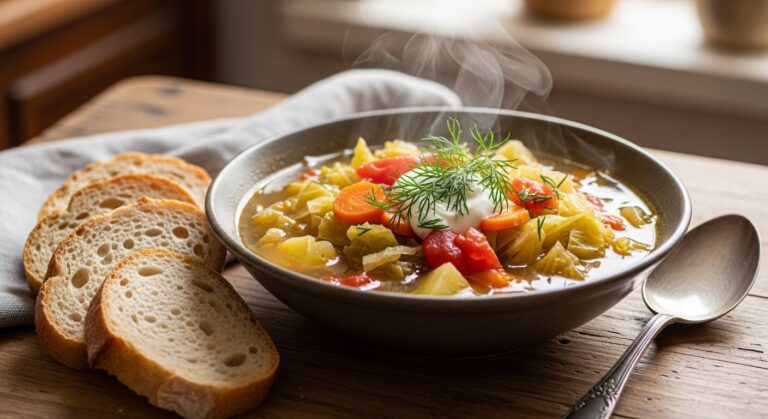
Recipe 1: No-Salt-Added Chicken & Vegetable Soup
| Ingredient | Amount |
|---|---|
| Chicken breast (skinless) | 1 large (about 8 oz) |
| Low sodium or no-salt-added chicken broth | 4 cups |
| Carrots (chopped) | 2 medium |
| Celery (chopped) | 2 stalks |
| Onion (chopped) | ½ medium |
| Dried thyme, rosemary, bay leaf | ½ tsp each, plus 1 bay leaf |
| Black pepper, garlic powder | To taste |
| Fresh lemon juice | 1 tbsp (at the end) |
Instructions:
In a large pot, combine broth, chicken, carrots, celery, onion, and dried herbs. Bring to a boil, then simmer 20 minutes until chicken is cooked. Remove chicken, shred, and return to pot. Add lemon juice and pepper before serving. No salt needed.
Nutritional info (per serving, recipe makes 3 servings):
Calories: 210 | Protein: 28g | Carbs: 12g | Fat: 5g | Sodium: ~120 mg
Recipe 2: Lemon Herb Salmon with Roasted Vegetables
| Ingredient | Amount |
|---|---|
| Salmon fillet | 4 oz per person |
| Fresh lemon (juice and zest) | 1 whole lemon |
| Dried dill or fresh parsley | 1 tbsp |
| Garlic powder, black pepper | To taste |
| Broccoli or asparagus | 2 cups |
| Olive oil | 1 tbsp (divided) |
Instructions:
Preheat oven to 400°F (200°C). Toss vegetables with half the oil, pepper, and garlic powder. Roast 10 minutes. Meanwhile, rub salmon with remaining oil, lemon zest, juice, dill, and pepper. Push vegetables to one side of the pan. Add salmon. Roast another 10–12 minutes until salmon flakes easily.
Nutritional info (per serving, recipe makes 1 serving):
Calories: 430 | Protein: 35g | Carbs: 12g | Fat: 26g | Sodium: ~90 mg
Recipe 3: Chickpea & Spinach Sauté (No Salt Added)
| Ingredient | Amount |
|---|---|
| Dried chickpeas (cooked) or no-salt-added canned | 1.5 cups cooked |
| Fresh spinach | 4 cups (wilts down a lot) |
| Onion (diced) | ½ medium |
| Garlic (minced) | 3 cloves |
| Cumin, paprika, black pepper | 1 tsp each |
| Lemon juice | 2 tbsp |
| Olive oil | 1 tbsp |
Instructions:
Heat oil in a large pan. Sauté onion 5 minutes. Add garlic and spices, cook 1 minute. Add chickpeas and cook 3 minutes. Add spinach in batches until wilted. Turn off heat. Stir in lemon juice. Serve over brown rice or alone.
Nutritional info (per serving, recipe makes 2 servings):
Calories: 380 | Protein: 16g | Carbs: 48g | Fat: 15g | Sodium: ~30 mg (if using dried chickpeas)
Recipe 4: No-Salt Scrambled Eggs & Avocado Toast Formula
Scramble 2 eggs in unsalted butter or olive oil. Season with black pepper, paprika, and chives. Toast 1 slice of low sodium bread (check labels—some bread has 200 mg per slice). Mash ¼ avocado on toast. Top with eggs. Add a squeeze of lemon or hot sauce.
Recipe 5: DIY Burrito Bowl Formula
Start with 1 cup cooked brown rice (no salt added). Add ¾ cup cooked black beans (from dry or no-salt-added can). Add 1 cup shredded lettuce, ½ cup diced tomatoes, ¼ cup corn (frozen or no-salt-added canned). Top with grilled chicken or tofu. Drizzle with lime juice and chopped cilantro. No salt, no salty salsa, no cheese.
How much sodium is too much per meal?
Aim for under 600 mg per main meal if you’re eating three meals a day. That leaves room for small amounts from bread, dairy, or condiments. Under 400 mg is even better.
Can I rinse canned beans to remove sodium?
Yes, but it’s not perfect. Rinsing canned beans removes about 40% of the sodium. That’s helpful, but drying your own beans removes 100%. If you use canned, rinse well and look for “no salt added” labels.
What spices go well together without salt?
Try these blends: garlic powder + onion powder + black pepper + paprika. Or cumin + coriander + turmeric + black pepper. Or oregano + basil + thyme + rosemary. Add lemon or vinegar at the end for brightness.
Is sea salt or pink salt healthier than table salt?
No. They all contain roughly the same amount of sodium by weight. Some have trace minerals, but not enough to matter. For blood pressure, all salt counts the same.
A final word from someone who’s been there
I used to salt my pasta water like the ocean. I added salt to everything without thinking. Cutting back felt impossible. But it wasn’t. It was just habit.
Start with one low sodium meal a day. Breakfast is easiest—eggs, oats, or yogurt with fruit. Then tackle lunch. Then dinner. Move slowly.
The lemon salmon recipe above is the one that convinced me low sodium could taste good. Try that first. Then the chickpea sauté. Then trust yourself to build your own.
Your heart will thank you. And so will your taste buds, once they catch up.