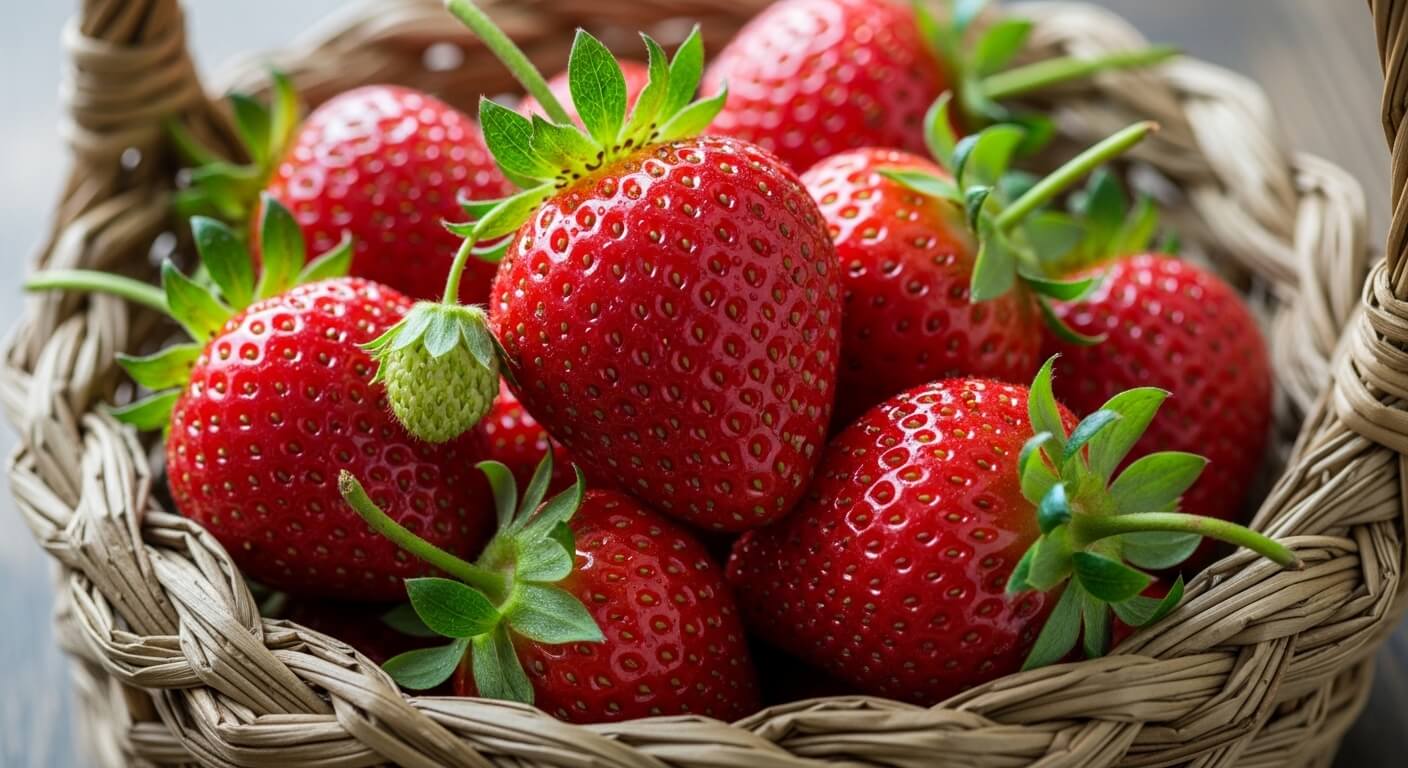
One of the most popular fruits in the world is the strawberry. They are ideal for salads, smoothies, desserts, and snacks because of their vibrant red color, sweet flavor, and juicy texture. However, it’s crucial to understand how to properly clean strawberries before you can savor their mouthwatering flavor. Many people only give strawberries a quick water washing, but this may not be sufficient to get rid of bacteria, pesticides, dirt, and microscopic insects that may be hiding on the surface.
Knowing how to properly clean strawberries can guarantee that your produce is safe, wholesome, and fresh. Everything you need to know will be covered in this book, including the importance of cleaning strawberries, the best ways to do it, typical blunders to avoid, and advice on how to prolong their freshness.
Why Is It Important to Clean Strawberries?
Due to their near proximity to the ground, strawberries are more likely to gather dirt, germs, pesticides, and even tiny insects. Strawberries have a fragile exterior surface that you may eat straight, unlike fruits like bananas or oranges that have thick skins. This implies that any impurities on the outside can readily enter your body.
The following are the primary justifications for why washing strawberries is crucial:
1. Remove Dirt and Debris:
During cultivation and harvest, strawberries are frequently exposed to dust, soil, and other environmental contaminants. Washing enhances hygiene and gets rid of obvious filth.
2. Cut Down on Pesticide Waste:
To keep strawberries safe from pests and illnesses, farmers occasionally apply pesticides. Fruit that has been cleaned is safer to consume and has less pesticide residue.
3. Get Rid of Bacteria:
Bacteria including Salmonella, E. Coli, and Listeria can be found in strawberries. Cleaning properly reduces the chance of contracting a foodborne illness.
4. Get Rid of Small Insects:
Due to the fact that strawberries are grown outside, microscopic insects or larvae may conceal themselves in minute cracks. Cleaning aids in getting rid of these undesirable visitors.
5. Enhance Taste and Freshness:
Strawberries that are clean have a superior flavor. You may appreciate their inherent delicacy to the fullest after dirt and impurities are removed.
When Should You Clean Strawberries?
Washing strawberries too soon is one of the most common blunders individuals make. Strawberries can deteriorate more quickly because they absorb moisture easily.
Cleaning strawberries is best done just before using or eating them.
If you don’t want to use strawberries right away, don’t wash them before putting them in the fridge. Excessive moisture reduces shelf life and promotes the formation of mold.
Methods to Clean Strawberries:
1. Cleaning Strawberries with Water:
Rinsing strawberries with cool, clean water is the most straightforward and popular technique. This approach is efficient and quick for daily use.
Detailed Instructions:
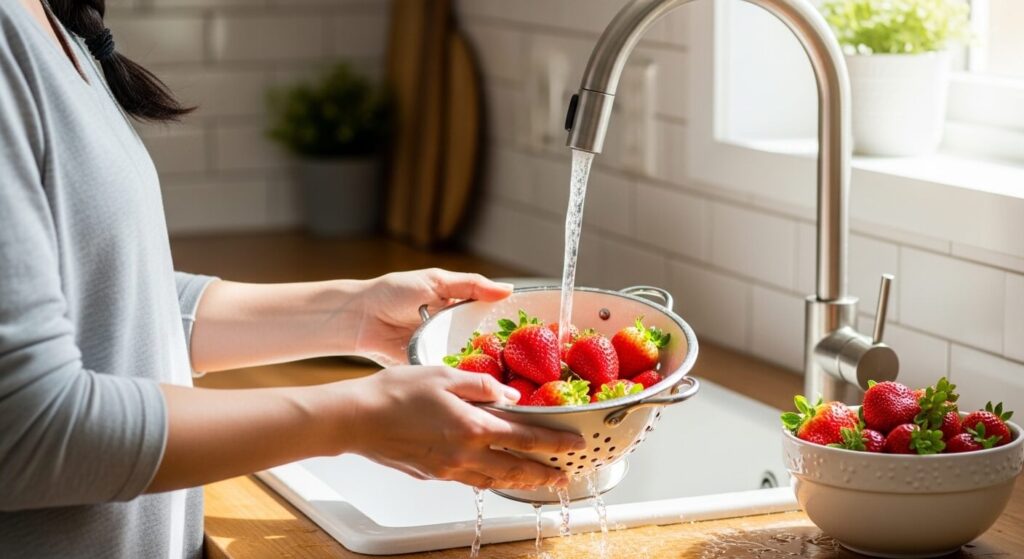
- Use soap and water to thoroughly wash your hands.
- Put the strawberries in a basin or colander.
- Run cold water over them to rinse them.
- Using your fingertips, gently rub each strawberry.
- Allow extra water to run off.
- Using a fresh paper towel or cloth, pat dry.
The majority of dirt and surface impurities are eliminated with this procedure.
2. Cleaning Strawberries with Vinegar Solution:
One of the best ways to clean strawberries is to use a vinegar solution. Vinegar aids in the removal of mold spores, germs, and insecticides.
The Reasons Vinegar Works:
Acetic acid, found in vinegar, has inherent antifungal and antibacterial qualities. Strawberries are disinfected without being harmed by it.
A Comprehensive Guide to Vinegar Cleaning:
- Pour three cups of water into a big basin.
- One cup of white vinegar is added.
- Add strawberries to the mixture.
- Let it soak for five to ten minutes.
- Stir gently every now and then.
- After removing the strawberries, rinse them with cool, clean water.
- Use paper towels to dry.
This technique prolongs shelf life and eliminates deep impurities.
3. Cleaning Strawberries with Salt Water:
Another safe and efficient natural cleaning solution is salt water. It aids in the removal of bacteria, dirt, and insects.
How to Use Salt Water:
- Pour some warm water into a bowl.
- Put one teaspoon of salt in.
- Stir until the salt is dissolved.
- Let the strawberries soak for five minutes.
- Use fresh water to rinse.
- Dry completely.
Salt aids in removing dirt and insects that are hidden.
How to Remove Pesticides from Strawberries?
Although it is impossible to completely eradicate all pesticides, thorough washing greatly lowers residue.
The best techniques consist of:
- Solution of vinegar
- Soak in salt water
- Solution of baking soda
Method of Baking Soda:
- Combine two cups of water and one teaspoon of baking soda.
- Let the strawberries soak for five minutes.
- Rinse well.
- Let it dry completely.
Baking soda breaks down residue from pesticides.
Should You Use Soap to Clean Strawberries?
No, strawberries should never be cleaned with soap, detergent, or other cleaning agents. Because they are permeable, strawberries readily absorb chemicals. Consuming soap residue can be dangerous.
Always clean with natural methods such as:
- Pure water
- Vinegar
- Salt
- Baking soda
How to Clean Strawberries Without Making Them Mushy?
Strawberries are fragile. They can get damaged if handled improperly.
Observe these guidelines:
- Make use of chilly water.
- Don’t soak for too long.
- Treat with gentleness
- Avoid squeezing
- Carefully dry
Strawberries remain fresh and firm as a result.
How to Clean Strawberries to Remove Bugs?
Occasionally, tiny insects or larvae conceal themselves inside strawberries. Since strawberries are grown outside, this is typical.
The most effective removal technique:
- Soak in salt water.
- Give it five minutes.
- Bugs will rise to the top.
- Strawberries should be rinsed.
This technique safely eliminates hidden insects.
How to Store Strawberries After Cleaning:
Strawberries last longer when stored properly.
Storage Advice:
- Strawberries should be thoroughly dried.
- Keep refrigerated.
- Make use of a breathable container.
- Steer clear of plastic bags that are sealed.
- Stay away from wetness.
Point: Strawberries can last up to five or seven days when stored properly.
Should You Remove the Stem Before Washing?
Keeping the stem in place while washing is preferable. Water and impurities might penetrate the fruit when the stem is removed first. Taste and freshness may be impacted by this.
Only after washing and drying may stems be removed.
Common Mistakes When Cleaning Strawberries:
Steer clear of these typical errors:
1. Getting Wet Too Soon:
Mold and spoiling result from washing before storing.
2. Making Use of Hot Water:
Flavor and texture are ruined by hot water.
3. Too Much Soaking:
Strawberries get soft and mushy after a lengthy soak.
4. Making Use of Soap:
Soap should never be used since it is dangerous.
5. Not Drying Enough:
Mold grows when there is moisture present.
How to Clean Organic Strawberries?
Even organic strawberries should be cleaned.
Organic fruits may still contain:
- Dirt
- Bacteria
- Natural pesticides
- Insects
Use the same cleaning methods.
Health Benefits of Eating Clean Strawberries:
There are numerous health advantages of eating clean strawberries.
1. Packed with Vitamins:
Antioxidants, vitamin C, and vitamin A are all found in strawberries.
2. Boost Your Immunity:
They make the immune system stronger.
3. Boost Heart Health:
Strawberries help maintain a healthy heart.
4. Encourage Digestion:
They provide fiber, which is good for the digestive system.
5. Boost the Health of Your Skin:
Skin health is promoted by antioxidants.
How Restaurants and Professionals Clean Strawberries:
Vinegar solutions are frequently used in professional kitchens.
Among the steps are:
- Examine the strawberries.
- Take out the damaged ones.
- Use a vinegar solution to wash.
- Rinse well.
- Dry thoroughly.
This guarantees both quality and safety.
How to Clean Strawberries for Kids:
Youngsters are especially vulnerable to chemicals and germs.
For maximum safety, use the vinegar technique.

Constantly:
- Give it a good wash.
- Make sure to properly dry
- Take the stems off.
- Serve right away.
Signs That Strawberries Are Not Safe to Eat:
Do not eat strawberries that show:
- Mold
- Bad smell
- Slimy texture
- Dark spots
Discard spoiled strawberries immediately.
Can you eat unwashed strawberries?
They might include pesticides and bacteria, thus it is not advised.
How long should you soak strawberries?
5 to 10 minutes is enough.
Is vinegar safe for cleaning strawberries?
Yes, vinegar is safe and effective.
Does washing remove pesticides?
Washing reduces pesticide residue significantly.
Final Thoughts:
For the sake of your health and safety, you must know how to properly clean strawberries. Although strawberries are tasty and nutrient-dense, they need to be properly cleaned to get rid of insects, bacteria, dirt, and pesticides. The most effective techniques are utilizing salt water, soaking in vinegar solution, or rinsing with clean water.
Strawberries should always be cleaned, dried, and stored properly before consumption. Do not wash too soon or use soap. You can always enjoy safe, clean, and fresh strawberries by following these easy steps.
In addition to protecting your health, properly cleaning strawberries enhances their flavor, freshness, and quality. Develop the habit of cleaning properly and confidently savor strawberries.