How to Keep Apples From Browning
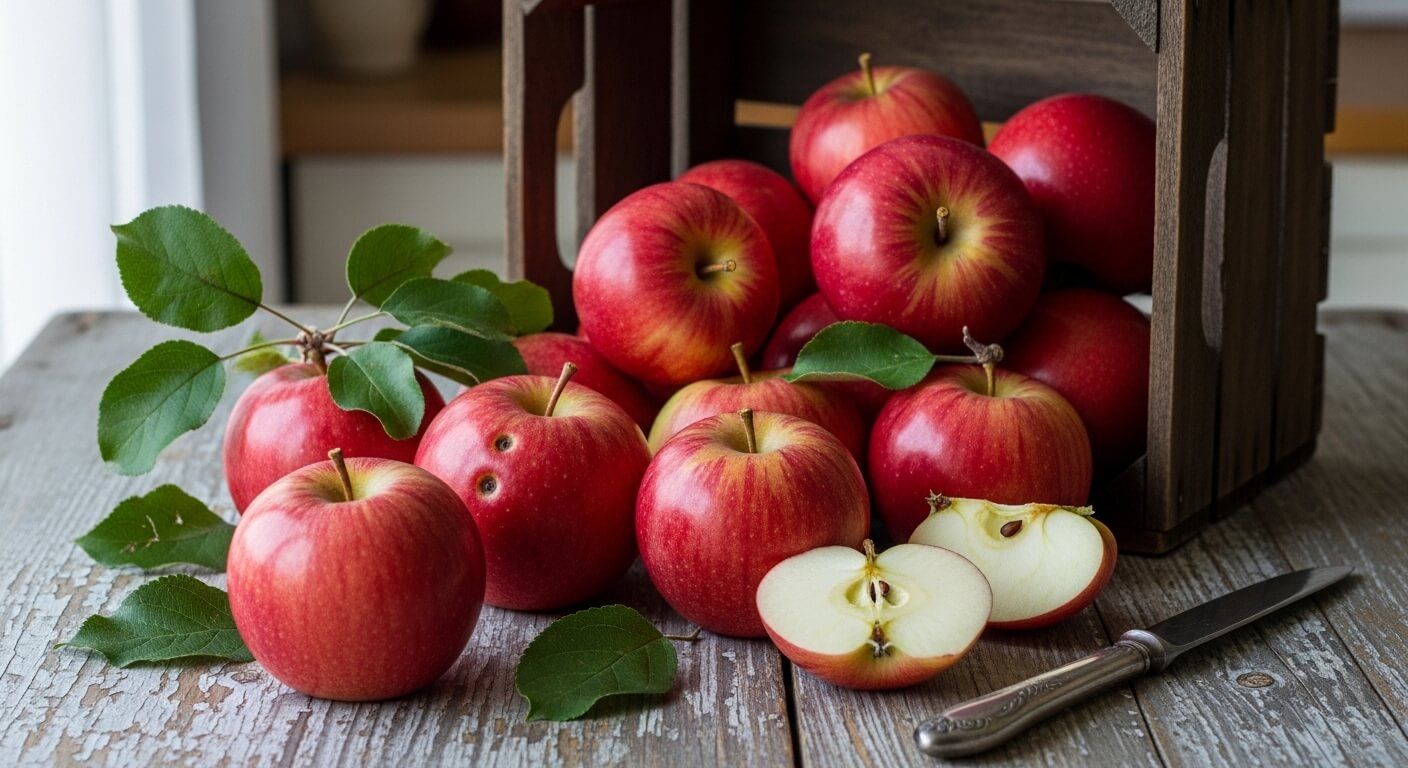
One of the most widely consumed fruits worldwide is the apple. They are tasty, nourishing, and very adaptable. They can be eaten raw, sliced into salads, baked into pies, or added to sweets and snacks. However, the fact that apples quickly turn brown after being chopped is a common issue individuals encounter when preparing them.
You may have noticed that the white flesh of an apple gradually turns dark if you’ve ever cut one and left it on the counter for a few minutes. Although apples are still safe to eat, this alteration may make them appear unappealing.
Thankfully, there are a number of easy and efficient techniques to stop apples from browning. This post will explain why apples become brown and provide you with doable at-home strategies to maintain the freshness and appearance of your apple slices.
Why Do Apples Turn Brown?
Understanding why browning occurs is helpful before knowing how to avoid it.
An apple’s cells are exposed to airborne oxygen when it is chopped or bruised. The apple contains natural substances and an enzyme known as polyphenol oxidase. This enzyme starts a chemical reaction called oxidation when it comes into contact with oxygen.
The apple’s flesh becomes brown from white due to oxidation. This process is comparable to the rusting of metal. The apple is still safe to eat even though it may no longer appear fresh.
Simply slowing down or stopping this oxidation process is the aim of browning prevention.
Why Preventing Apple Browning Matters?
In many circumstances, preventing apples from browning is helpful.
First, while serving food, presentation counts. Slices of brown apple might not look well, particularly on fruit platters or in lunchboxes.
Second, apples are frequently prepped ahead of time. Preventing browning keeps apples appearing fresh when sliced in advance for school lunches, gatherings, or snacks.
Third, when apples are kept in their original color, they appear much nicer in recipes like fruit salads, desserts, or charcuterie boards.
Fortunately, once you understand the proper methods, browning may be avoided.
Different Methods to Prevent Apples from Browning:
Method 1: Lemon Juice
Using lemon juice is one of the most common techniques to prevent apples from browning.
Fact: Vitamin C and citric acid found in lemon juice both slow down the oxidation process.
How Lemon Juice Is Used?
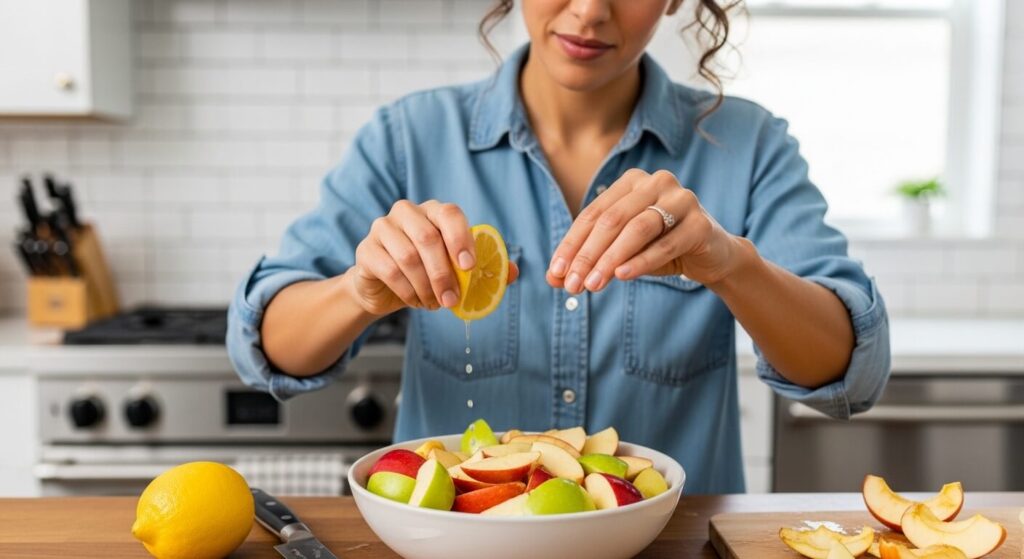
- Cut up your apples.
- Combine one cup of water with one spoonful of lemon juice.
- For approximately one minute, submerge the apple slices in the mixture.
- After removing the slices, carefully pat them dry.
- Only a very small citrus flavor is added, and the modest acidity stops the browning phase.
Snack platters and fruit salads benefit greatly from this technique.
Method 2: Salt Water
Soaking apples in salt water is another useful method. Apple slices remain fresh for several hours when salt is added to help prevent oxidation.
How Salt Water Is Used
- Pour one cup of water into a bowl.
- Add half a teaspoon or so of salt.
- Until the salt melts, stir.
- Give the apple slices three to five minutes to soak.
- Use clean water to give it a quick rinse.
When applied properly, this approach is surprisingly effective and doesn’t leave a noticeable salty taste.
Due to its simplicity and usage of materials that are typically present in every kitchen, this alternative is preferred by many.
Method 3: Honey Water
Another natural remedy that aids in reducing oxidation is honey water. Compounds found in honey lower the activity of the browning-causing enzyme.
How to Use Water with Honey
- Combine one cup of water with two tablespoons of honey.
- Stir until the honey dissolves.
- Apple slices should be soaked for 30 to 60 seconds.
- Empty and store.
Because it offers a hint of natural sweetness, this approach works particularly well for kid-friendly snacks.
Method 4: Orange or Pineapple Juice
Vitamin C-containing fruit juices can also stop apples from browning. Apple juice, pineapple juice, and orange juice all function well.
How Fruit Juice Is Used
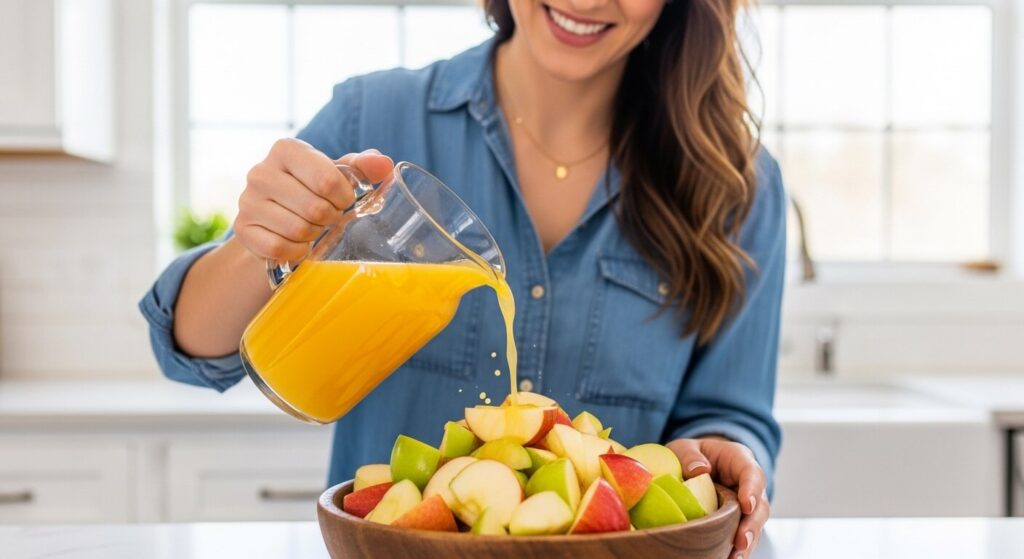
- Fill a bowl with a little liquid.
- Give the apple slices a quick dip in the juice.
- Take out and drain.
This technique enhances the flavor of the apples, making it ideal for fruit salads.
Method 5: Carbonated Water
Although it may seem strange, carbonated water helps slow down browning. The amount of oxygen that reaches the apple slices is decreased by the carbonation.
How Carbonated Water Is Used
- Slices of apple should be placed in a bowl of sparkling water.
- Give them a few minutes to soak.
- Take out and store.
For short-term storage, like when prepping fruit for a party, this approach works well.
Method 6: Plastic Wrap or Airtight Containers
Reducing air exposure can assist because browning is mostly caused by oxygen.
Oxidation is considerably slowed if apple slices are kept in an airtight container or tightly wrapped in plastic wrap.
Storage Advice
- Make use of tight-lidded containers.
- Take out as much air as you can.
- After cutting, place the apples in the refrigerator.
This is a great way to prepare meals or pack lunches.
Method 7: Refrigeration
The browning process can also be slowed down by keeping apples cool. The oxidation-causing enzymes are less active at low temperatures.
The Best Method
- Store apple slices in the refrigerator after using one of the aforementioned techniques.
- Apples keep fresh for several hours thanks to this mixture.
Best Apples for Slow Browning:
Some apple varieties naturally brown more slowly than others.
These apples are excellent choices when preparing sliced fruit ahead of time.
Popular Slow-Browning Apples
- Gala
- Fuji
- Honeycrisp
- Pink Lady
- Golden Delicious
There are also specially developed apple varieties that resist browning even after being cut.
Tips for Keeping Apple Slices Fresh Longer:
Here are some useful suggestions for keeping things fresh.
1. Just before serving, cut the apples:
Apples should ideally be sliced just before consumption or serving.
2. Make Use of Sharp Knives:
Browning is slowed by sharp blades because they minimize cell damage.
3. Store Apples Properly:
Refrigerating whole apples extends their shelf life.
4. Combine Techniques:
Combine treatments like lemon juice with airtight storage for optimal outcomes.
Common Mistakes to Avoid:
Preventing browning is easy, but there are several flaws that can make it less successful.
1. Overindulging in Lemon Juice:
The natural flavor of apples might be overpowered by too much lemon juice.
2. Ignoring Storage:
Apple slices, even those that have been processed, should be preserved correctly.
3. Leaving Apples Outside:
The slices should always be covered or stored because exposure to air accelerates oxidation.
Are Brown Apples Safe to Eat?
It is safe to consume apples that have become brown. The fruit’s safety is unaffected by the browning process; just its appearance is.
Over time, though, the flavor can gradually alter and the texture might soften. For this reason, while cooking apples in advance, many people prefer to avoid browning.
Can honey water keep apple slices fresh?
Indeed, natural chemicals found in honey lower the activity of the enzymes that cause browning.
Is it safe to eat apples that have turned brown?
Yes, despite their altered look, browned apples are still safe to consume.
How long can apple slices stay fresh after treatment?
When stored correctly, treated apple slices can maintain their freshness for several hours.
Does refrigeration slow apple browning?
Indeed, the oxidation process in apples is slowed down by cold temperatures.
Final Thoughts:
When an apple is exposed to air, oxidation causes the fruit to naturally brown. It can make apples appear less appetizing, but it doesn’t make them dangerous to eat.
Fortunately, there are a few simple ways to maintain the freshness and flavor of apples. Fruit juice, salt water, honey water, lemon juice, and appropriate storage methods all aid in slowing the browning process.
You may prepare apple slices in advance for snacks, lunches, fruit salads, and get-togethers without worrying about them going brown by following these easy cooking tips.