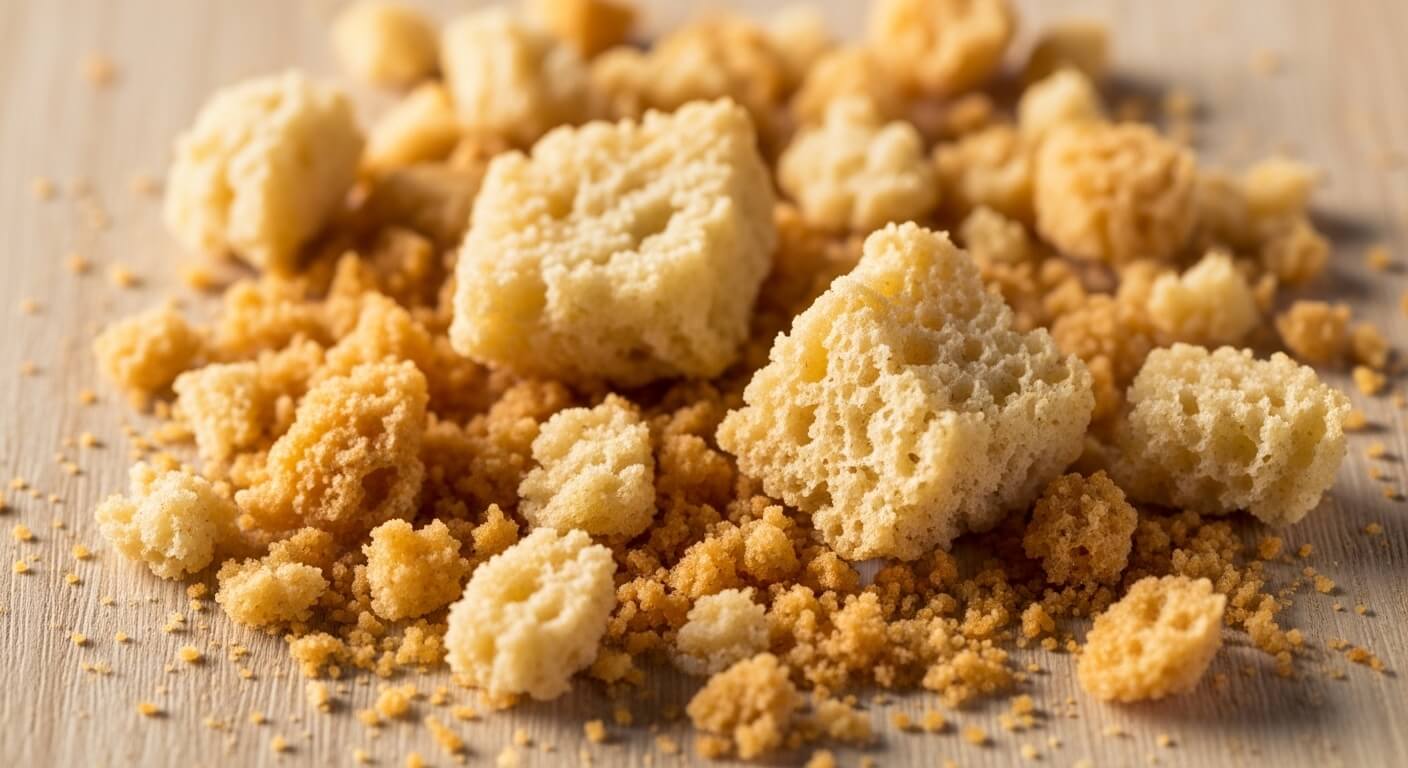
How to Make Bread Crumbs at Home
One of those basic culinary elements that can have a significant impact is bread crumbs. They can be used to cover crunchy snacks, thicken sauces, and provide texture to baked goods. The nicest thing is that you don’t have to purchase them. Using leftover bread, you can quickly make tasty, fresh bread crumbs at home.
Everything you need to know is included in this tutorial, from fundamental techniques to storage advice and inventive applications.
What Are Bread Crumbs?
Bread crumbs are just little pieces of bread that have been dried or processed. They may be:
- Soft, slightly moist fresh bread crumbs
- Crunchy and durable dry bread crumbs
- Panko crumbs are flaky, light, and airy.
Depending on the recipe, each kind has a specific purpose.
Why Make Bread Crumbs at Home?
There are various benefits of making your own bread crumbs:
- Using leftover bread helps cut down on food waste.
- The flavor and texture are under your control.
- No additives or preservatives
- It is less expensive than versions purchased from stores.
- You can add spices and herbs to personalize them.
It’s difficult to switch back to buying bread crumbs after using homemade ones.
Types of Bread You Can Use:
Nearly any bread will do:
- For neutral crumbs, use white bread.
- For a nutty taste, use whole wheat bread.
- For soft crumbs, sandwich bread
- For crunchy crumbs, try baguettes or French bread.
- Remaining buns or rolls
Steer clear of very moist or rotten bread.
How to Make Fresh Bread Crumbs:
The crumbs of fresh bread are moist and delicate. They are ideal for binding mixes, stuffing, and meatballs.
Step-by-Step Approach:
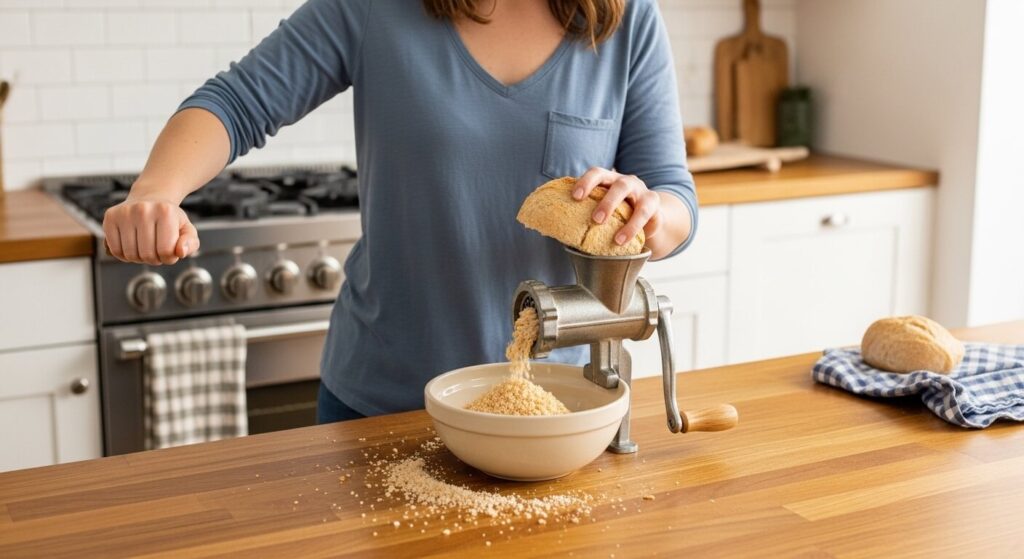
- Take some fresh or somewhat stale bread slices.
- If you like finer crumbs, remove the crust (optional).
- Cut the bread into little pieces.
- Put them in a food processor or blender.
- Pulse until the texture you want is achieved.
That’s all. You can use fresh bread crumbs right away.
How to Make Dry Bread Crumbs?
Dry bread crumbs have a longer shelf life and are crisp. They are perfect for frying and coating.
Method 1: Air-Drying
- Slice or cube the bread.
- For one to two days, leave them out at room temperature.
- After they are completely dry, crush them into crumbs.
This is the most straightforward and organic approach.
Method 2: Oven-Drying
- Set the oven temperature to 150°C (300°F).
- Slice the bread into little pieces.
- Arrange them on a baking sheet.
- Bake until dry (not burned), 10 to 15 minutes.
- Allow them to cool fully before blending them into crumbs.
When you need crumbs immediately, this method works well and is speedier.
How to Make Bread Crumbs Without a Blender?
It’s okay if you don’t have a blender.
Manual Approach:
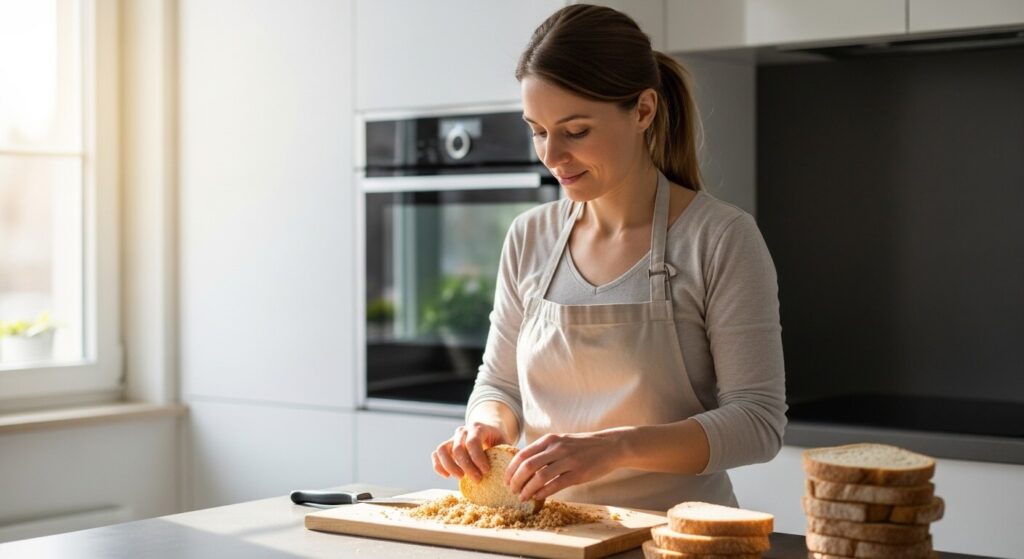
- Make sure the bread is fully dry.
- Put it into a plastic bag.
- Use a rolling pin or other heavy tool to crush it.
- If you want finer crumbs, sieve them.
It works just as well but requires a little more work.
How to Make Panko Bread Crumbs?
The light and crispy texture of panko crumbs makes them popular.
Procedure:
- Use white bread without a crust.
- Instead of mixing, grate it.
- On a tray, distribute the crumbs.
- Dry them in a low-temperature oven.
- Keep them pale and avoid browning them.
This results in fluffy crumbs that are ideal for crunchy coatings.
How to Flavor Bread Crumbs?
Plain bread crumbs are useful, but flavored ones add extra taste.
Simple Flavor Ideas:
- Garlic powder
- Dried herbs (oregano, thyme, parsley)
- Chili flakes
- Black pepper
- Grated cheese
Mix these into your crumbs for instant seasoning.
How to Store Bread Crumbs?
Proper storage keeps your crumbs fresh and safe to use.
1. Fresh Bread Crumbs:
- Store in an airtight container
- Keep in the fridge
- Use within 3–5 days
2. Dry Bread Crumbs:
- Store in a sealed container
- Keep in a cool, dry place
- Lasts up to 1 month
3. Freezing Option:
- Freeze crumbs in a zip bag
- Use directly without thawing
- Lasts up to 3 months
Common Mistakes to Avoid:
Despite its simplicity, a few errors can have an impact on quality:
- Making dry crumbs with moist bread
- Burning and overbaking the bread
- Not letting it cool before grinding
- Keeping in open containers
For optimal outcomes, pay attention to these elements.
Uses of Bread Crumbs:
When it comes to cooking, bread crumbs are very adaptable.
1. Frying and coating:
For a crispy exterior, apply them on chicken, fish, or vegetables.
2. Binding Substance:
To keep everything together, add to meatballs, kebabs, or patties.
3. Topping:
For a crispy touch, sprinkle on baked goods, spaghetti, or casseroles.
4. Thickening:
Use to add body to soups and sauces.
5. Stuffing:
Ideal for stuffing chicken or vegetables.
Fresh vs Dry Bread Crumbs:
| Feature | Fresh Crumbs | Dry Crumbs |
| Texture | Soft | Crispy |
| Shelf Life | Short | Long |
| Best Use | Binding | Coating/Frying |
Knowing when to use each type improves your cooking.
Tips for Best Results:
- For a superior texture, always use slightly stale bread.
- Instead of over-blending, pulse
- Keep the size of the crumbs consistent.
- For improved flavor, add spice after drying.
- Date and label the crumbs that were saved.
These little pointers have a discernible impact.
Can You Use Fresh Bread Instead of Dry?
Yes, but the outcome will be more delicate. While dry crumbs add crispiness, fresh crumbs are best for recipes that require wetness.
How to Turn Leftover Bread into Something Useful?
Making bread crumbs out of leftover bread is a wise culinary practice. It saves money and minimizes waste while providing you with a useful ingredient whenever you need it.
Final Thoughts:
One of the simplest and most practical culinary skills is learning how to create bread crumbs at home. It helps you get more value out of regular food and doesn’t require any additional equipment or ingredients.
You have complete control over taste and texture when using handmade bread crumbs, whether you need crispy crumbs for frying or soft crumbs for a dish. You’ll always have a dependable and fresh option in your kitchen once you start preparing them yourself.
This is a basic, useful, and waste-free skill that every home cook should possess.