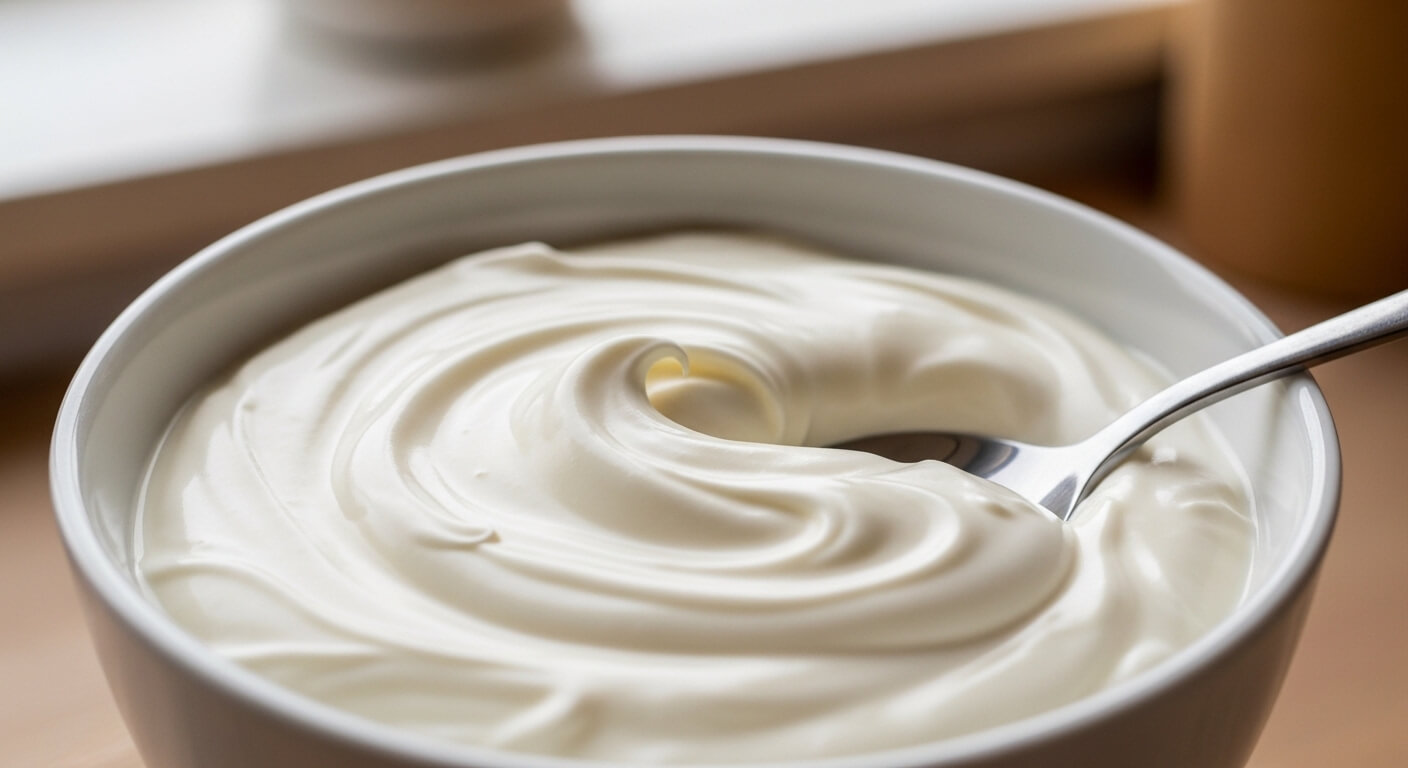
One of the most useful commodities in the kitchen is heavy cream. Few other ingredients can equal the richness, texture, and flavor it imparts to everything from creamy soups and smooth pasta sauces to whipped toppings and rich desserts. However, what happens if you need heavy cream immediately and run out? What if you would rather prepare your own at home instead?
This comprehensive guide will teach you how to create heavy cream from scratch, define it, look at other alternatives, and find the greatest uses for it in baking and cuisine. This essay will explain all you need to know, regardless of your level of expertise cooking at home.
What Is Heavy Cream?
The high-fat part of milk that floats to the top prior to homogenization is called heavy cream, or heavy whipping cream. It is thick, rich, and ideal for whipping because it usually contains 36% to 40% milk fat.
Due to its substantial fat content, heavy cream:
- Turns into rigid peaks.
- Gives the sauce body.
- Resists curdling in hot conditions.
- Improves savory and sweet recipes.
You can accurately duplicate it at home if you understand its composition.
Can You Really Make Heavy Cream at Home?
In theory, traditional heavy cream is made straight from raw, fresh milk. However, fresh, unprocessed milk is not available to the majority of people. The good news is that you can use basic ingredients to create a successful alternative at home.
Although homemade heavy cream isn’t always the same as store-bought cream, it works well in most recipes, particularly those that call for baking and cooking.
Methods:
Method 1: How to Make Heavy Cream Using Milk and Butter:
This is the most widely used and trustworthy approach.
Components:
- Half a cup of whole milk
- Unsalted butter, ¼ cup
About 1 cup of heavy cream substitute is produced by this mixture.
Detailed Instructions:
- In a small saucepan, melt the butter over low heat. Let it melt slowly. Keep it from browning.
- Melt the butter and pour it into a bowl with the milk. Give it a good stir.
- To completely incorporate the fat and milk, whisk the mixture rapidly for two to three minutes.
- Let the mixture cool down a bit. As it sets, it will get thicker.
Important Notes:
- This variant is ideal for baking and sauces.
- Unlike real heavy cream, it does not whip up correctly.
- To get the greatest results, use whole milk.
Method 2: How to Make Whippable Heavy Cream
A slightly different strategy is required if your objective is to whip the cream (for frosting or dessert toppings).
Option A: Butter and Half-and-Half
Mix:

- Half a cup
- One-third cup of melted butter
For improved emulsification, use a hand mixer to blend well.
Alternative B: Full-Fat Coconut Cream (Dairy-Free)
For people who don’t eat dairy:
- Put a can of full-fat coconut milk in the fridge for the entire night.
- From the top, scoop out the thick cream.
- With a hand mixer, beat until frothy.
This variation works nicely for desserts and whips up wonderfully.
Why Does Butter and Milk Work?
Water, protein, and a trace quantity of fat are all present in milk. Almost all of butter is fat. Combining the two raises milk’s fat content to a level that is comparable to heavy cream.
On the other hand, commercial heavy cream is homogenized, which disperses fat molecules uniformly. Homemade versions don’t whip as easily because the fat doesn’t bind as well at home.
Nutritional Comparison:
Heavy cream’s high fat content makes it heavy in calories.
Estimated amounts per tablespoon:
- 50–55 calories
- 5–6 grams of fat
- Less than 1 gram of carbs
- Less than one gram of protein
Though there may be minor variances, homemade versions made with milk and butter have comparable calorie values.
Best Uses for Homemade Heavy Cream:
The ideal places to use a homemade heavy cream alternative are:
- Creamy soups
- Alfredo sauce
- Mac and cheese
- Mashed potatoes
- Casseroles
- Baked goods
It’s less ideal for:
- Whipped cream toppings
- Ice cream requiring high-fat stability
- Professional pastry applications
Common Mistakes to Avoid:
1. Using Milk with Low Fat:
A rich outcome won’t be obtained from skim or 2% milk. Use full milk at all times.
2. Butter That Is Overheated:
The taste and texture are altered by brown butter.
3. Insufficient Whisking:
Separation results from improper mixing.
4. Anticipating Exceptional Whipping Outcomes:
The structure required for rigid peaks is typically absent from homemade alternatives.
How to Store Homemade Heavy Cream?
- Store in an airtight jar in the refrigerator.
- Use in two to three days.
- If separation happens, shake or whisk before each use.
Suggestion: Avoid freezing since this could cause the texture to shatter.
How Heavy Cream Is Traditionally Made?
On dairy farms, a mechanical separator is used to separate milk from cream. The natural fat is skimmed off after rising to the top. It is then homogenized and pasteurized before packaging.
Consistent stability and fat content are guaranteed by this industrial technique.
Can You Make Heavy Cream from Raw Milk?
If fresh, non-homogenized milk is available to you:
- Fill a large container with the milk.
- Keep in the fridge for a full day.
- Skim the thick layer from the top with care.
Real, natural heavy cream is that top layer.
Heavy Cream vs. Whipping Cream:
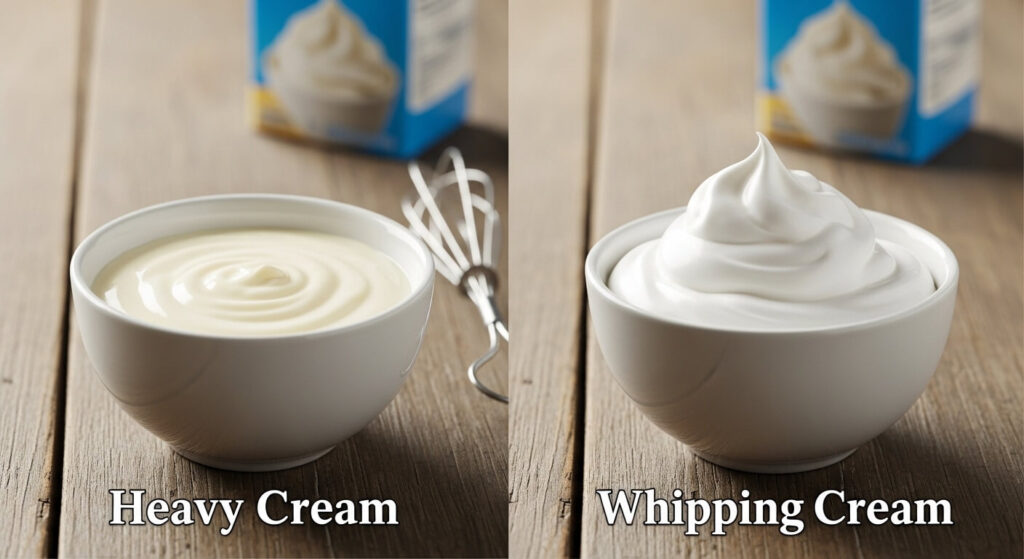
Despite being frequently used similarly, there is a slight distinction:
Heavy cream: 36–40% fat
Whipping cream: 30–35% fat
Heavy cream retains its shape longer and whips into firmer peaks.
Creative Recipes Using Heavy Cream:
Here are some delectable suggestions:
1. Alfredo sauce made at home:
Add butter, heavy cream, and garlic and simmer. Add black pepper and parmesan cheese.
2. Rich Tomato Soup:
For a silky texture, add heavy cream last.
3. Cream Whipping:
Add the sugar and vanilla to the cooled heavy cream and beat until soft peaks form.
4. Ganache with Chocolate:
Pour hot cream over chopped chocolate. Mix until it’s smooth.
Can I use margarine instead of butter?
It is not advised. Water and other ingredients that alter texture are present in margarine.
Is homemade heavy cream keto-friendly?
Yes, if made with butter and whole milk; however, be sure to check the carbohydrate content.
Can I make it thicker?
A tiny bit of cornstarch can be added for thickness, but the texture will alter.
Final Thoughts:
When you’re in a hurry, making heavy cream at home is easy, economical, and convenient. It may not be able to perfectly mimic the qualities of store-bought heavy cream, but it is excellent for the majority of baking and cooking applications.
You may confidently make a substitution that saves your recipe and your shopping trip if you grasp the science behind milk fat and emulsification.
Knowing how to create heavy cream gives you freedom and control in the kitchen, whether you’re making warm soups, rich desserts, or creamy pasta.