How to Make Mochi at Home
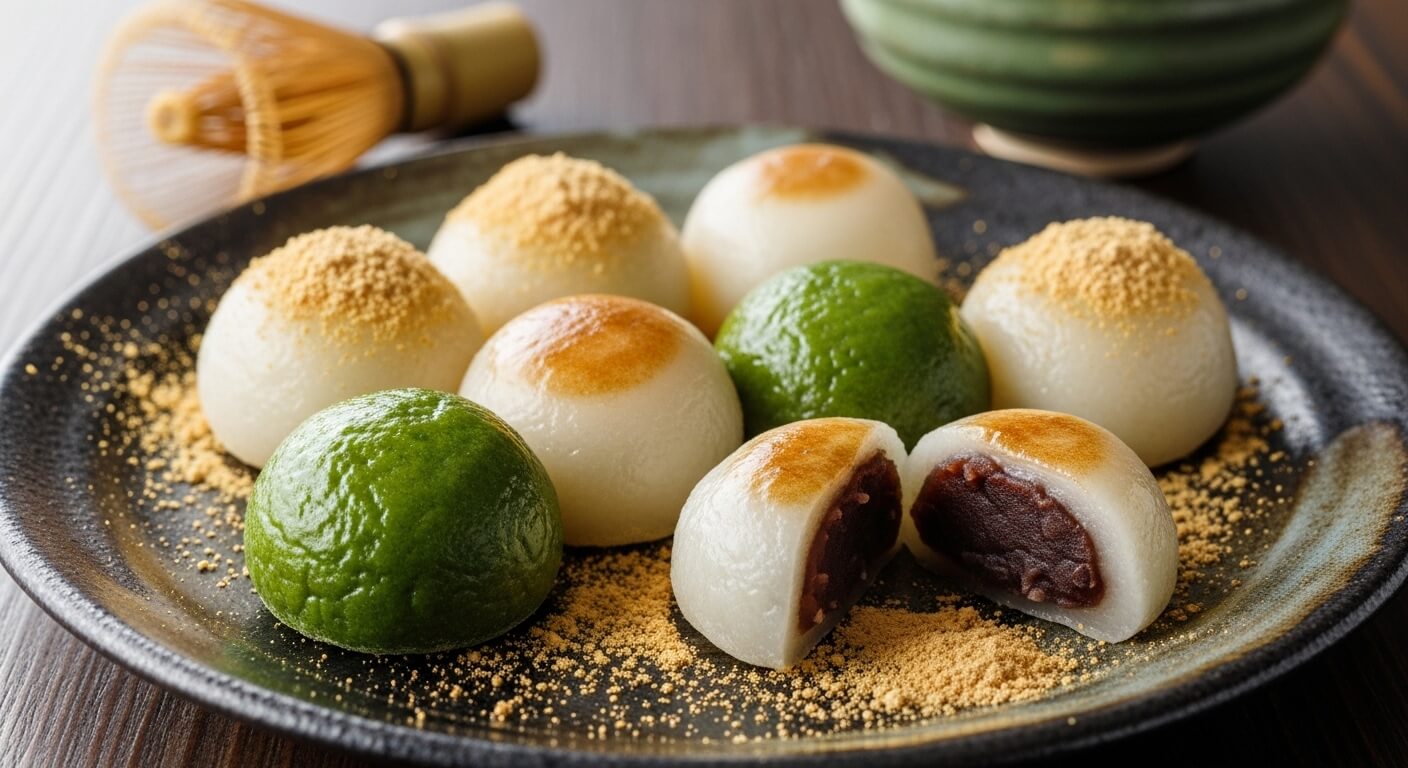
One of those sweets that feels both straightforward and enchanted at the same time is mochi. This delicacy is unique due to its soft, chewy texture and somewhat sweet flavor. Mochi, which originated in Japan, has gained popularity worldwide, particularly in the form of mochi ice cream.
The best part is that you can cook it without being a skilled chef. You can make fresh, homemade mochi in your kitchen with just a few ingredients and the correct method.
This comprehensive tutorial will teach you how to create mochi using traditional techniques, simple shortcuts, fillings, and advice on how to consistently achieve the ideal texture.
What Is Mochi?
Glutinous rice or glutinous rice flour is used to make the Japanese rice cake known as mochi. It doesn’t really contain gluten, despite the name. Its chewy, sticky texture is described as “glutinous.”
Mochi is traditionally produced by crushing steamed rice until it becomes elastic and smooth. Nowadays, a lot of individuals use rice flour for a simpler and faster process.
Ingredients You’ll Need:
To make basic mochi at home, you only need a few simple ingredients:
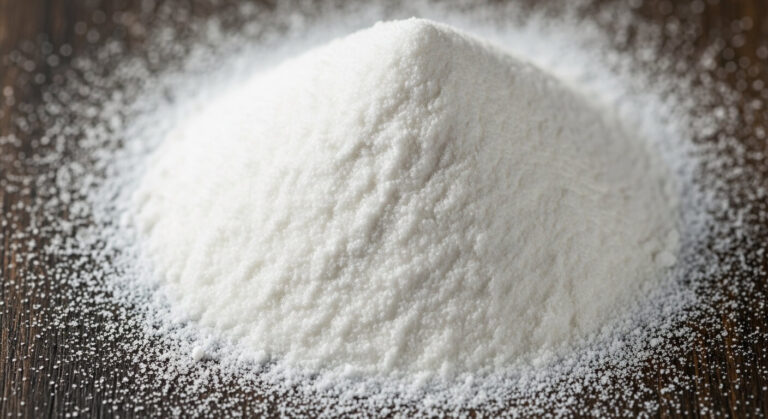
- Glutinous rice flour (also called mochiko)
- Sugar
- Water
- Cornstarch or potato starch (for dusting)
Optional fillings:
- Red bean paste
- Ice cream
- Chocolate
- Fruit
Different Methods to Make Mochi at Home:
Method 1: Easy Microwave Mochi (Best for Beginners)
The easiest and most common method for making mochi at home is this one.
1. Ingredients:
- 1 cup glutinous rice flour
- 1/4 cup sugar
- 3/4 cup water
- Cornstarch for dusting
2. Steps:
- Mix the rice flour, sugar, and water in a bowl that can be microwaved.
- Blend till lump-free and smooth.
- Microwave for one minute while loosely covering.
- After stirring, microwave for an additional minute.
- Continue until the mixture thickens and gets sticky.
- To avoid stickiness, dust a spotless surface with cornflour.
- Place the dough on the surface.
- After letting it cool a little, flatten it and cut it into little pieces.
- Put your preferred filling in the middle and around it with the dough.
Method 2: Traditional Mochi (Pounded Rice Method)
Although it takes work, this approach is more genuine.

Procedure:
- Spend the night soaking sticky rice.
- Steam the rice until it becomes tender.
- Pound it until it becomes elastic and smooth.
- Form into tiny parts
During Japanese festivals and celebrations, this procedure is frequently carried out.
Popular Mochi Fillings:
Mochi is quite adaptable. These are a few common fillings:
1. Anko, or red bean paste:
The most classic filling is smooth and somewhat sweet.
2. Cream Ice:
Mochi ice cream has a cool interior and a soft outside.
3. Chocolate:
A contemporary take for those who enjoy chocolate.
4. New Fruit:
Mango and strawberries are particularly effective.
Tips for Perfect Mochi:
1. Make Use of Appropriate Flour
Instead of using ordinary rice flour, always use glutinous rice flour.
2. Do Not Ignore Dusting
Mochi has a lot of stickiness. It doesn’t stick everywhere thanks to cornstarch.
3. Work Warm Up
Mochi is easier to form when it’s still a little warm.
4. Maintain Coverage
When not in use, cover the mochi with plastic wrap because it dries out rapidly.
Common Mistakes to Avoid:
- Using the incorrect kind of flour
- Cooking the dough too much or too little
- Insufficient starch dusting
- Allowing the dough to cool too much before forming
You’ll always get soft, chewy mochi if you avoid these blunders.
How to Store Mochi:
Although it is best consumed fresh, mochi can be stored:
- Up to one day at room temperature
- Two to three days in the refrigerator (may solidify)
- Up to two weeks in the freezer
Before consuming, let the frozen mochi come to room temperature.
Mochi Ice Cream: A Fun Variation:
To prepare mochi ice cream:
- Scoop up tiny ice cream balls and freeze them.
- Flatten the mochi dough.
- Encircle frozen ice cream with dough.
- Once more, freeze
This produces a delectable blend of creamy and chewy textures.
Is Mochi Healthy?
You can eat mochi as part of a healthy diet:
- Minimal fat content
- gives rapid energy
- may include a lot of sugar depending on the filling.
You can use fruit fillings or cut less sugar to make it healthier.
Why Is Homemade Mochi Worth It?

Making mochi at home allows you to:
- Control ingredients
- Experiment with flavors
- Enjoy fresh texture
- Save money
Plus, it’s a fun and unique cooking experience.
Is mochi gluten-free?
Yes, it’s made from glutinous rice, not wheat.
2. Why is my mochi hard?
It may be overcooked or left uncovered.
3. Can I make mochi without a microwave?
Yes, you can steam it instead.
4. What does mochi taste like?
It’s mildly sweet with a chewy texture.
5. Can I reheat mochi?
Yes, but only slightly to soften it.
Final Thoughts:
Making mochi at home is not as difficult as it may seem. You may make a traditional and customisable soft, chewy delicacy with just a few ingredients and easy steps.
Mochi is a treat that never gets old, whether you like the traditional red bean filling or the more contemporary ice cream varieties. You’ll love the taste and the procedure even more if you try preparing it yourself.
So gather your ingredients, follow the recipe, and savor the delight of making your own mochi.