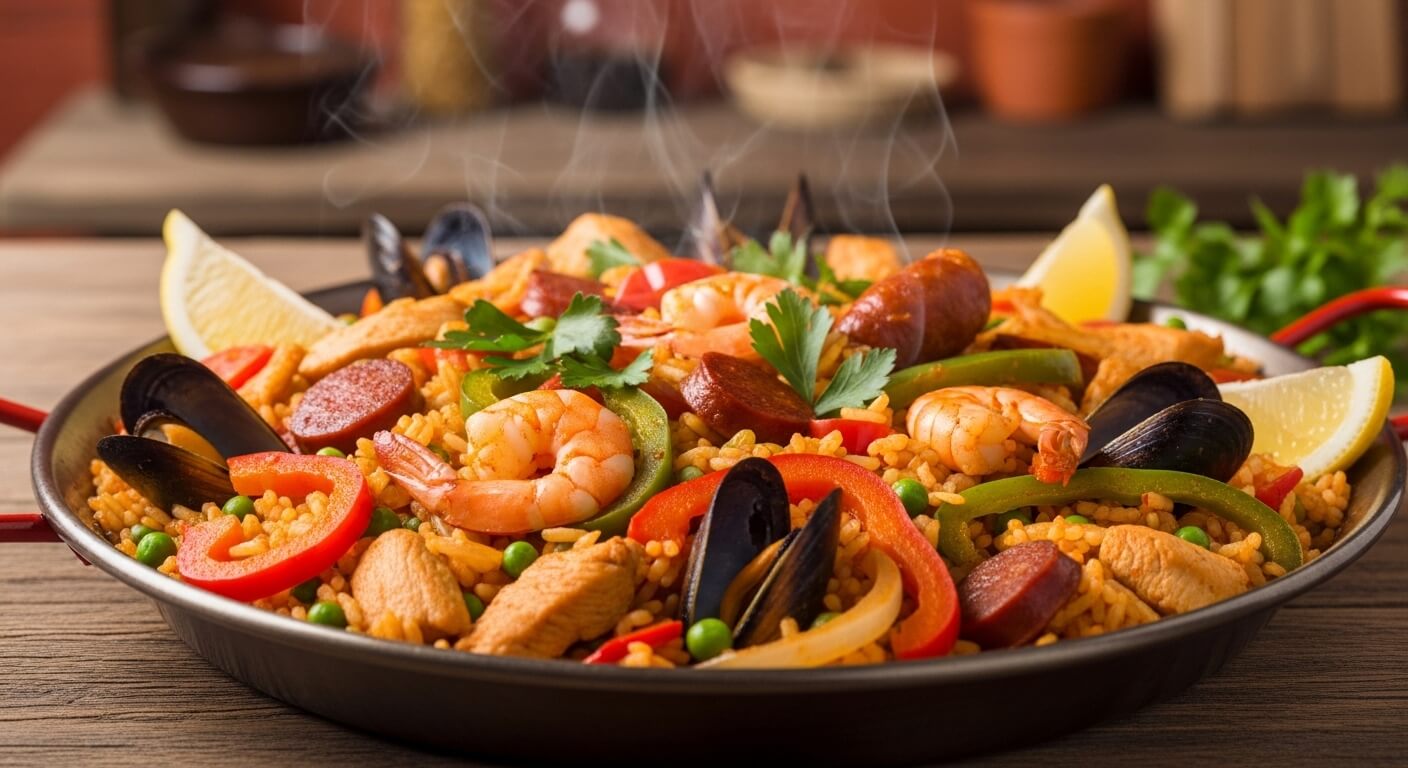
How to Make Spanish Rice (A Complete Guide)
When prepared properly, Spanish rice has a rich, soothing flavor despite appearing basic at first. It goes well with nearly anything, including grilled meats, beans, and vegetables. It is warm, somewhat smokey, and mildly spiced. Despite its name, what many refer to as “Spanish rice” is actually more like to Mexican-style rice, which is distinguished by its savory flavor and tomato basis.
This tutorial leads you through every step of making restaurant-quality Spanish rice at home, from supplies and technique to frequent blunders and inventive variations.
What Is Spanish Rice?
Spanish rice is a seasoned rice meal that is usually prepared by first sautéing the rice in oil and then boiling it in a tasty liquid, such as broth, that has been mixed with tomatoes, garlic, and spices. The end product is fluffy rice with a deep orange-red hue and a savory flavor that is both cozy and slightly spicy.
Instead of just cooking rice in seasoned water, the secret to excellent Spanish rice is to add flavor at every stage.
Ingredients You’ll Need:
A good Spanish rice recipe doesn’t require anything fancy, but each ingredient plays an important role.
Basic Ingredients:
- 1 cup long-grain white rice
- 2 tablespoons oil (vegetable or olive oil)
- 2 cups chicken or vegetable broth
- 1/2 cup tomato sauce or crushed tomatoes
- 2 cloves garlic (minced)
- 1/4 cup finely chopped onion
- 1 teaspoon salt (adjust to taste)
Optional Seasonings:
- 1/2 teaspoon cumin
- 1/2 teaspoon paprika
- 1/2 teaspoon chili powder
- Black pepper to taste
Optional Add-ins:
- Peas
- Carrots
- Corn
- Bell peppers
These extras aren’t required, but they add color, texture, and nutrition.
Step-by-Step Guide to Make Spanish Rice:
1. Rinse the Rice:
- Rinse the rice under cold water until the water is nearly clear.
- This helps keep the rice from getting sticky by removing extra starch.
Before proceeding to the following step, let it drain well.
2. Toast the Rice:
- In a medium pan, heat the oil over medium heat.
- Stir continuously for five to seven minutes after adding the rice.
- The rice should take on a faint golden hue.
- This is a crucial stage. It prevents the rice from clumping together and gives it a nutty flavor.
Take your time with this step. Your rice could become mushy and squishy if you skip it.
3. Sauté Aromatics:
- Add the chopped garlic and onion to the pan along with the rice.
- Cook until the onion is tender and fragrant, two to three minutes.
This strengthens the dish’s base flavor.
4. Add Liquid and Seasoning:
- Add the tomato sauce and broth.
- Next, add salt and the spices of your choice, such as chili powder, paprika, or cumin.
- Gently mix everything together.
At this point, the mixture should have a crimson hue and appear somewhat soupy.
5. Simmer Gently:
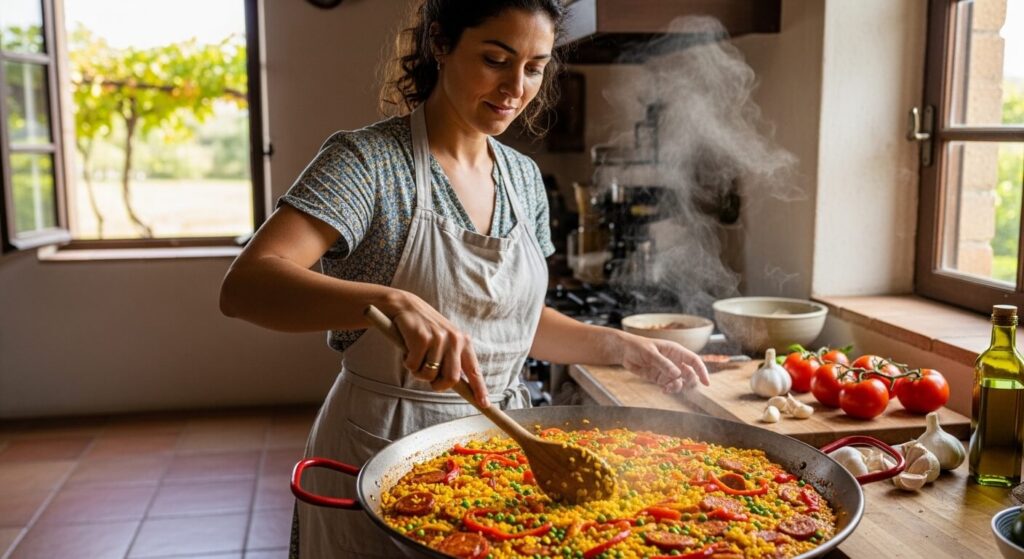
- After bringing the mixture to a gentle boil, lower the heat to low and place a tight-fitting lid on the pan.
- Keep the lid on and simmer for 18 to 20 minutes.
- This makes it possible for the rice to evenly absorb all of the liquid.
Stirring at this point could cause the rice to become sticky and shatter the grains.
6. Let It Rest:
- Turn off the heat and leave the rice covered for five to ten minutes after the liquid has been completely absorbed.
This resting time enhances the texture and helps the rice finish steaming.
7. Fluff and Serve:
- Gently fluff the rice with a fork.
- It has a light, airy texture as a result of the grains being separated.
Before serving, taste and adjust the salt if necessary.
Tips for Perfect Spanish Rice:
There are a few little but crucial aspects that determine how to make Spanish rice perfectly.
1. Make Use of Long-Grain Rice:
- Rice with short grains is often sticky. For this recipe, long-grain rice keeps its fluff and separation.
2. Don’t Forget to Toast:
- Spanish rice gets its distinctive flavor and texture via toasting. If you desire good outcomes, it’s a must.
3. Hold the lid on:
- Don’t lift the lid too frequently after the rice is cooking. To cook properly, steam is necessary.
4. Carefully Measure Liquid:
- The rice becomes soggy when there is too much moisture. It is undercooked if there is too little. For optimal results, stick to the 1:2 rice to liquid ratio.
5. Use Broth Rather Than Water:
- Plain water just cannot deliver the depth and richness that broth does.
Common Mistakes to Avoid:
If you’re not careful, even something as basic as Spanish rice can go awry.
- Rice becomes sticky if you don’t rinse it.
- Rice becomes bland if it is not toasted.
- Excessive stirring fractures the granules.
- Overheating might cause the bottom to burn.
- Excessive tomato addition can dominate the dish.
It makes a significant difference to pay attention to these nuances.
Variations You Can Try:
You can quickly adapt Spanish rice to your preferences once you’ve mastered the basic form.
1. Spanish rice with vegetables:
While it’s cooking, add bell peppers, corn, carrots, or peas. This gives the meal more color and substantiality.
2. Hot Spanish Rice:
For further heat, add more chili powder or sliced jalapeños.
3. The Garlic Lover’s Version:
For a deeper, more complex taste, double the garlic.
4. The Tomato-Rich Version:
For a more natural flavor, use fresh blended tomatoes rather than bottled sauce.
5. Increased Protein:
To make it a full dinner, add cooked chicken, shrimp, or beans.
What to Serve with Spanish Rice:
Spanish rice is incredibly versatile and works with many dishes.
- Grilled chicken
- Fried or baked fish
- Tacos or wraps
- Beans or lentils
- Roasted vegetables
It can be a side dish or the main focus depending on how you serve it.
Storage and Reheating:
Spanish rice keeps well and can be eaten at a later time.
Storage
- Store in an airtight container.
- Store in the fridge for up to four days.
Warming up:
- Pour in a little water or broth.
- Warm up in a pan or microwave.
- To restore texture, gently stir.
Why Is Homemade Better?
You have complete control over the flavor, salt, and ingredients when you make your own Spanish rice, however store-bought or restaurant versions can still be delicious.
Depending on your tastes, you can make it milder, spicier, or healthier. It’s also difficult to top the aroma of freshly cooked rice with spices and garlic.
Is Spanish rice the same as Mexican rice?
They are very similar, but “Spanish rice” is a common name for Mexican-style rice.
Why do you toast the rice first?
Toasting adds a nutty flavor and keeps the grains separate.
Can I use brown rice instead of white rice?
Yes, but it needs more liquid and a longer cooking time.
Why is my Spanish rice mushy?
Too much water or overcooking usually causes mushy texture.
Can I make Spanish rice without tomatoes?
Yes, but it will lose its traditional color and flavor.
What type of rice works best?
Long-grain white rice gives the best fluffy texture.
Final Thoughts:
One recipe that rewards careful attention to detail is Spanish rice. It’s not difficult, but following each step correctly turns plain rice into something tasty and filling.
You’ll find yourself preparing it frequently, changing the spices, adding ingredients, and creating your own trademark version once you’re acquainted with the technique.