7 Nutritious 200 Calorie Meals: Satisfying and Surprisingly Filling
Let’s face it—when most people hear “200 calorie meal,” they immediately think of a sad, tiny portion of bland food that leaves them hungry and miserable 20 minutes later. A single rice cake. A handful of celery sticks. A depressing little cup of broth. It sounds like punishment, not nourishment.
But here’s the truth that completely changes the game: a well-constructed 200 calorie meal can be incredibly satisfying, packed with flavour, and genuinely filling. The secret isn’t eating less—it’s eating smarter. By choosing the right combination of protein, fibre, and healthy fats, you can create meals that keep you full for hours while staying within this modest calorie budget.
Whether you’re looking to lose weight, maintain your current weight, or simply incorporate lighter meals into your routine, these 200 calorie options will revolutionise how you think about “diet food.” Let’s dive in.
Why 200-Calorie Meals Are a Game-Changer?
Think about your daily calorie needs. For most adults, maintaining weight requires somewhere between 1,800 and 2,400 calories per day, depending on age, gender, activity level, and metabolism. If you’re aiming for weight loss, you might be targeting 1,500 to 1,800 calories daily.
Now, consider what happens when you eat three meals a day. If each meal averages 500-600 calories, that’s already 1,500-1,800 calories—leaving almost no room for snacks. By choosing 200-calorie meals for breakfast or lunch, you create a calorie “budget surplus” that allows for more substantial dinners or satisfying snacks throughout the day.
This approach gives you flexibility. You can enjoy a more indulgent dinner with family or friends without guilt because you balanced it out with lighter meals earlier in the day. It’s not about restriction—it’s about strategic distribution of your daily calories.
The Golden Rules for Building a 200-Calorie Meal
Not all 200 calories are created equal. A 200-calorie meal made of refined carbs and sugar will leave you hungry in an hour. A 200-calorie meal built with protein, fibre, and healthy fats will sustain you for three to four hours. Here’s how to build the latter.
Priorities Protein
Protein is the most satiating macronutrient. It reduces hunger hormones and increases feelings of fullness. Aim for at least 15-20 grams of protein in your 200-calorie meal.
Excellent sources: Eggs, Greek yoghurt, cottage cheese, chicken breast, turkey, tofu, edamame, canned tuna, and protein powder.
Load Up on Fibre
Fibre adds bulk to your meal without adding calories. It slows digestion and stabilises blood sugar, preventing those mid-afternoon energy crashes.
Excellent sources: Vegetables (especially leafy greens), fruits (especially berries and apples), whole grains (quinoa, oats, barley), and legumes.
Include a Touch of Healthy Fat
Fat adds flavour and helps you feel satisfied. Just a small amount goes a long way.
Excellent sources: Avocado, olive oil, nuts, seeds, and fatty fish.
Choose High-Volume Foods
Some foods take up more space in your stomach for fewer calories. These are your best friends in a 200-calorie meal.
- High-volume, low-calorie foods: Lettuce, spinach, cucumber, celery, zucchini, watermelon, strawberries, and broth-based soups.
Drink Water Before and During
Water adds volume to your stomach without adding calories. Having a glass of water before your meal and sipping during can help you feel fuller on fewer calories.
7 Satisfying 200-Calorie Meals
Here are seven delicious, balanced meals that clock in at around 200 calories. They’re quick to prepare, packed with nutrients, and genuinely enjoyable to eat.
1. Veggie-Packed Egg White Omelette
This is the breakfast of champions—light, fluffy, and loaded with vegetables. It’ll keep you full until lunch without weighing you down.
- Calories: ~195
- How to make: Whisk 3 egg whites (or ½ cup liquid egg whites) with salt, pepper, and a dash of paprika. Pour into a non-stick pan sprayed with cooking spray. Add ¼ cup chopped spinach, ¼ cup diced bell peppers, and 2 tablespoons of diced onion. Cook until set, fold, and serve.
- Nutrition profile: ~20g protein, 5g carbs, 2g fat.
Pro tip: Add a sprinkle of nutritional yeast for a cheesy flavour without the calories.
2. Tuna Lettuce Wraps
This is a fresh, crunchy alternative to a traditional sandwich. It’s incredibly satisfying and takes minutes to prepare.
- Calories: ~190
- How to make: Mix one 3-ounce can of light tuna (packed in water, drained) with 1 tablespoon of plain Greek yoghurt, 1 teaspoon of Dijon mustard, and chopped celery. Season with salt, pepper, and a squeeze of lemon. Spoon into large romaine lettuce leaves and roll up like a wrap.
- Nutrition profile: ~22g protein, 8g carbs, 3g fat.
Pro tip: Add a few sliced grapes for a touch of sweetness that balances the savoury tuna beautifully.
3. Creamy Tomato Soup with a Side of Crackers
This is comfort food at its finest—warm, soothing, and satisfying. The key is using a broth-based soup and adding a touch of creaminess without heavy cream.
- Calories: ~195
- How to make: Sauté ¼ cup diced onion and 1 clove of garlic in a teaspoon of olive oil. Add 1 cup of crushed tomatoes, ½ cup of vegetable broth, and a pinch of basil and oregano. Simmer for 10 minutes, then blend until smooth. Stir in 1 tablespoon of plain Greek yoghurt for creaminess. Serve with 5 whole-grain crackers.
- Nutrition profile: ~7g protein, 30g carbs, 4g fat.
Pro tip: Add a pinch of red pepper flakes for a subtle kick that enhances all the other flavours.
4. Shrimp and Zucchini Noodle Stir-Fry
This dish proves that “diet food” can be absolutely delicious. Zucchini noodles (zoodles) are a fantastic low-calorie pasta substitute.
- Calories: ~200
- How to make: Spiralize one medium zucchini into noodles. In a non-stick pan, sauté 4 ounces of peeled, deveined shrimp with 1 teaspoon of minced garlic and ½ teaspoon of ginger. Add the zoodles, 1 tablespoon of low-sodium soy sauce, and a squeeze of lime. Cook for 2-3 minutes until the zoodles are just tender.
- Nutrition profile: ~18g protein, 12g carbs, 5g fat.
Pro tip: Add a sprinkle of sesame seeds and a handful of bean sprouts for extra crunch and texture.
5. Apple and Peanut Butter “Sandwich”
This is a clever, satisfying snack that tastes like a treat but fuels your body like a meal.
- Calories: ~195
- How to make: Core one medium apple and slice it horizontally into ½-inch thick rounds. Spread 1 tablespoon of natural peanut butter (or powdered peanut butter mixed with water) onto one apple slice. Top with another slice to make a “sandwich.”
- Nutrition profile: ~6g protein, 25g carbs, 9g fat.
Pro tip: Sprinkle with cinnamon and a pinch of sea salt. The salt enhances the sweetness of the apple and the richness of the peanut butter.
6. Black Bean and Corn Salad
This is a vibrant, colourful salad that’s hearty enough to be a meal. The beans provide protein and fibre, while the corn adds a touch of sweetness.
- Calories: ~200
- How to make: In a bowl, combine ½ cup of canned black beans (rinsed and drained), ¼ cup of corn kernels (fresh, frozen, or canned), ½ cup of diced cherry tomatoes, 2 tablespoons of diced red onion, and a handful of fresh cilantro. Dress with juice of ½ lime, 1 teaspoon of olive oil, and salt and pepper.
- Nutrition profile: ~9g protein, 32g carbs, 5g fat.
Pro tip: Add a diced avocado for extra creaminess—just account for the additional 50 calories.
7. Savory Oatmeal with Egg and Spinach
Oatmeal doesn’t have to be sweet. Savoury oatmeal is a comforting, warming meal that’s incredibly satisfying.
- Calories: ~200
- How to make: Cook ½ cup of rolled oats with water according to package instructions. While hot, stir in 1 tablespoon of Parmesan cheese and a handful of fresh spinach until wilted. Top with one soft-boiled or poached egg and a sprinkle of black pepper.
- Nutrition profile: ~12g protein, 28g carbs, 6g fat.
Pro tip: Add a dash of hot sauce or a squeeze of lemon for brightness.
Quick Comparison Table: 200-Calorie Meals at a Glance
| Meal | Calories | Protein | Carbs | Fat | Prep Time | Best For |
|---|---|---|---|---|---|---|
| Veggie Egg White Omelette | ~195 | 20g | 5g | 2g | 8 mins | Breakfast |
| Tuna Lettuce Wraps | ~190 | 22g | 8g | 3g | 5 mins | Quick lunch |
| Creamy Tomato Soup | ~195 | 7g | 30g | 4g | 15 mins | Cold days |
| Shrimp Zoodle Stir-Fry | ~200 | 18g | 12g | 5g | 12 mins | Weeknight dinner |
| Apple PB Sandwich | ~195 | 6g | 25g | 9g | 3 mins | On-the-go |
| Black Bean Corn Salad | ~200 | 9g | 32g | 5g | 10 mins | Meal prep |
| Savory Oatmeal | ~200 | 12g | 28g | 6g | 10 mins | Breakfast or dinner |
Key takeaway: All of these meals provide a balanced mix of nutrients and can be prepared in 15 minutes or less. They’re designed for real life—not a gourmet kitchen.
How to Build Your Own 200-Calorie Meal
You don’t need a recipe for every meal. Once you understand the formula, you can create endless variations based on what you have in your fridge. Here’s a simple framework.
| Base (~50-70 cal) | Protein (~80-100 cal) | Vegetables (~20-30 cal) | Flavour Boosters (~10-20 cal) |
|---|---|---|---|
| 1 cup mixed greens (10 cal) | 3 oz grilled chicken (90 cal) | 1 cup cucumber, tomato, bell pepper (30 cal) | 1 Tbsp light dressing (20 cal) |
| 1 whole-wheat wrap (80 cal) | ½ cup canned tuna (70 cal) | ½ cup shredded carrots, cabbage (20 cal) | 1 tsp mustard (5 cal) |
| ½ cup cooked quinoa (110 cal) | 1 large egg (70 cal) | 1 cup steamed broccoli (30 cal) | 1 Tbsp soy sauce (10 cal) |
| 1 cup broth-based soup (60 cal) | ½ cup black beans (60 cal) | ½ cup spinach, mushrooms (15 cal) | 1 tsp olive oil (40 cal) |
| 1 large apple (80 cal) | 1 Tbsp peanut butter (90 cal) | Celery sticks (10 cal) | Cinnamon (0 cal) |
Key takeaway: Choose one from each column, and you’ll have a balanced meal that fits within your 200-calorie budget.
Smart Swaps to Reduce Calories Without Sacrificing Flavour
One of the easiest ways to create low-calorie meals is by swapping high-calorie ingredients for lighter alternatives. Here’s a handy reference guide.
| Instead of This | Use This | Calories Saved |
|---|---|---|
| 1 cup white rice (240 cal) | 1 cup cauliflower rice (25 cal) | ~215 cal |
| Regular pasta (220 cal/cup) | Zucchini noodles (20 cal/cup) | ~200 cal |
| 1 Tbsp olive oil (120 cal) | 1 Tbsp vegetable broth (5 cal) | ~115 cal |
| 1 slice cheese (110 cal) | 1 Tbsp nutritional yeast (20 cal) | ~90 cal |
| 2 Tbsp regular dressing (140 cal) | 2 Tbsp lemon juice + herbs (10 cal) | ~130 cal |
| 1 cup whole milk (150 cal) | 1 cup unsweetened almond milk (30 cal) | ~120 cal |
| Regular tortilla wrap (150 cal) | Large lettuce leaf (5 cal) | ~145 cal |
Pro Tip: These swaps don’t just save calories—they often add nutritional value. Cauliflower rice adds vitamin C, zucchini noodles add potassium, and lettuce wraps add vitamin A.
Meal Prep Ideas for 200-Calorie Meals
Preparing meals in advance is one of the best ways to stay on track. When healthy food is ready to go, you’re far less likely to reach for something less nutritious. Here are some practical meal prep strategies.
Prep Components, Not Entire Meals
Instead of preparing full meals, prepare components you can mix and match throughout the week.
- Cook a batch of quinoa or brown rice and portion it into containers.
- Grill several chicken breasts and slice them for salads, wraps, or stir-fries.
- Chop vegetables like bell peppers, cucumbers, and carrots for quick salads.
- Make a big batch of soup and portion it into single-serving containers.
Batch Make These 200-Calorie Meals
These meals hold up well in the fridge and are easy to grab on busy days.
- Black bean corn salad (keeps for 3-4 days)
- Creamy tomato soup (keeps for 4-5 days)
- Tuna salad (without lettuce) (keeps for 2-3 days)
Invest in Good Containers
Portion control is much easier when you have the right tools. Invest in small containers that hold exactly one serving. When you make a larger batch, portion it out immediately so you can just grab and go.
Tips for Staying Full on 200 Calories
A common concern with low-calorie meals is hunger. Here’s how to maximise satiety with every bite.
1. Start with Soup or a Salad
Starting your meal with a broth-based soup (about 50 calories) or a large green salad with light dressing (about 30 calories) adds volume and fibre. You’ll feel fuller with fewer total calories.
2. Chew Slowly and Thoroughly
It takes about 20 minutes for your brain to register fullness. When you eat quickly, you can easily overeat before your brain catches up. Put your fork down between bites and savour each mouthful.
3. Add Acid
A squeeze of lemon juice, a splash of vinegar, or a dash of hot sauce can enhance flavour without adding calories. Tangy flavours also tend to make meals feel more satisfying.
4. Stay Hydrated
Drink a large glass of water before and during your meal. Sometimes our bodies confuse thirst with hunger. Staying hydrated helps you feel fuller and prevents overeating.
5. Include Protein at Every Meal
As mentioned earlier, protein is the most satiating nutrient. Every 200-calorie meal should include at least 15 grams of protein to keep you full for three to four hours.
Satisfying Specific Cravings with 200-Calorie Meals
Different cravings call for different solutions. Here’s how to tackle your hunger based on what you’re actually craving.
When You Crave Carbs
- Option 1: Savory oatmeal with egg and spinach (~200 calories)
- Option 2: ½ cup quinoa with roasted vegetables and a drizzle of soy sauce (~190 calories)
- Option 3: One whole-wheat tortilla with hummus and sliced cucumber (~180 calories)
- The science: Carb cravings often indicate low serotonin levels. Complex carbohydrates help boost serotonin without the blood sugar crash of refined carbs.
When You Crave Crunch
- Option 1: Large salad with lettuce, cucumber, bell peppers, and a light vinaigrette (~190 calories)
- Option 2: Apple with peanut butter (~195 calories)
- Option 3: Celery sticks with hummus (~180 calories)
- The science: Crunchy foods can be incredibly satisfying because they engage more of your senses. They also require more chewing, which gives your brain time to register fullness.
When You Crave Something Warm and Comforting
- Option 1: Creamy tomato soup (~195 calories)
- Option 2: Savory oatmeal with egg and spinach (~200 calories)
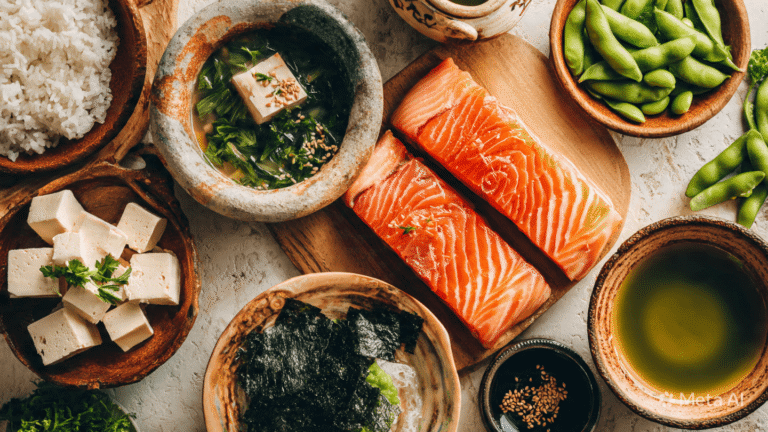
- Option 3: Miso soup with tofu and seaweed (~150 calories, add a side of edamame to reach 200)
- The science: Warm foods trigger feelings of comfort and safety. A warm meal can be just as psychologically satisfying as a high-calorie one.
When You Crave Something Cold and Fresh
- Option 1: Black bean and corn salad (~200 calories)
- Option 2: Tuna lettuce wraps (~190 calories)
- Option 3: Greek yoghurt with berries and a sprinkle of granola (~200 calories)
- The science: Cold, fresh foods are often hydrating and refreshing. They’re particularly satisfying on hot days or after a workout.
Quick and Easy 200-Calorie Snacks That Feel Like Meals
Sometimes you need something that’s a little more substantial than a snack but lighter than a full meal. Here are some options.
| Snack | Calories | Protein | Prep Time |
|---|---|---|---|
| Hard-boiled egg with sliced apple | ~180 | 9g | 2 mins |
| ¾ cup cottage cheese with berries | ~190 | 16g | 2 mins |
| One slice whole-grain toast with avocado | ~190 | 6g | 3 mins |
| Greek yoghurt with 1 Tbsp granola | ~180 | 15g | 2 mins |
| Rice cake with cottage cheese and tomato | ~185 | 10g | 3 mins |
Pro Tip: These aren’t just snacks—they can easily serve as a light lunch when paired with a piece of fruit or a small salad.
Are 200-calorie meals enough for weight loss?
Yes, when incorporated into a balanced diet. For most people, a total daily intake of 1,500-1,800 calories promotes gradual, sustainable weight loss. 200-calorie meals create a calorie deficit while still providing essential nutrients.
Will I be hungry an hour later?
Not if the meal is built correctly. Meals with at least 15-20 grams of protein, fibre-rich vegetables, and a small amount of healthy fat will keep you full for three to four hours. Avoid meals that are predominantly refined carbs.
Can I eat 200-calorie meals for every meal?
It’s not recommended. For most people, 200-calorie meals for every meal would total only 600 calories per day—far too low for sustainable energy and health. Use 200-calorie meals for 1-2 meals per day, and have a more substantial meal for dinner.
What if I exercise?
If you exercise, you’ll need to adjust your calorie intake accordingly. You may need 200-300 additional calories on workout days. Consider adding a healthy snack like a piece of fruit with peanut butter or a protein shake.
Final Thoughts: Small Meals, Big Results
Here’s the thing about healthy eating—it’s not about perfection, and it’s definitely not about suffering. Those tiny, sad portions of bland food? That’s not what we’re doing here. The meals in this guide are proof that you can eat delicious, satisfying food while staying within a modest calorie budget.
Whether you’re whipping up a veggie-packed egg white omelette on a busy morning, enjoying a fresh tuna lettuce wrap for a quick lunch, or savouring a warm bowl of creamy tomato soup on a cold evening, you now have the tools to make choices that nourish your body and delight your taste buds.
The beauty of the 200-calorie meal approach is its flexibility. You’re not locked into a rigid meal plan. You’re learning a framework—a way of thinking about food that empowers you to make smart choices anywhere, anytime. At home, at a restaurant, or on the go, you can build satisfying meals that fit your goals.
Remember, this isn’t about eating less. It’s about eating smarter. It’s about choosing foods that fuel your body, satisfy your cravings, and leave you feeling energized rather than deprived. And most importantly, it’s about enjoying every single bite.