Insulin Resistance Diet Plan: A Comprehensive Guide to Reversing Insulin Resistance Through Food
If you’ve been diagnosed with insulin resistance or prediabetes, you’ve probably heard that diet plays a crucial role in managing your condition. But knowing you should eat better and understanding what that actually means are two very different things. With so much conflicting advice online, it’s easy to feel overwhelmed and unsure where to start.
The good news is that an insulin resistance diet isn’t about extreme restriction or starving yourself. It’s about making smart, sustainable choices that help your body use insulin more effectively. Research shows that several dietary patterns—including Mediterranean, low-carbohydrate, and plant-based approaches—consistently improve insulin sensitivity through various mechanisms, including reducing inflammation and supporting healthy weight management . This guide will walk you through everything you need to know to create a practical, delicious, and effective insulin resistance diet plan.
Understanding Insulin Resistance and the Role of Diet
Before diving into meal plans and food lists, it’s helpful to understand what insulin resistance actually is and why your dietary choices matter so much.
What Is Insulin Resistance?
Think of insulin as a key that unlocks your cells to allow glucose (sugar) from your blood to enter and be used for energy. In insulin resistance, your cells stop responding properly to this key. They become “resistant.” As a result, glucose can’t easily enter your cells and builds up in your bloodstream instead .
To compensate, your pancreas works overtime, pumping out more and more insulin to try and force the glucose into your cells. Eventually, your pancreas can’t keep up, leading to elevated blood sugar levels. This condition is at the heart of type 2 diabetes and is also closely linked to weight gain, particularly around the abdomen, and increased risk of heart disease . An insulin resistance diagnosis serves as a warning—an opportunity to make changes that can prevent the progression to diabetes .
How Diet Directly Impacts Insulin Sensitivity
Your diet has a profound and direct impact on insulin resistance. When you eat, your blood glucose naturally rises, prompting your pancreas to release insulin . Certain foods cause a rapid, dramatic spike in blood sugar, demanding a large insulin response. Over time, a diet high in these “blood sugar spikers” overwhelms your cells and worsens insulin resistance .
Conversely, eating foods that are digested slowly—those rich in fiber, healthy fats, and lean protein—causes a gradual rise in blood sugar and a much gentler insulin response. This gives your body a better chance to process glucose effectively and improves insulin sensitivity over time . The core principle is simple: eat foods that require less insulin for processing .
The Golden Rules of an Insulin Resistance Diet Plan
A successful insulin resistance diet plan is built on a few foundational principles. Here’s what you need to know to get started.
1. Priorities Fiber-Rich Foods
Fibre is your best friend when it comes to managing insulin resistance. It slows down digestion and the absorption of carbohydrates into your bloodstream, preventing sharp blood sugar spikes and reducing the need for a large insulin release . High-fiber foods also keep you feeling full longer, which can help with weight management—another crucial factor in improving insulin sensitivity .
Aim to fill half your plate with non-starchy vegetables and include high-fiber fruits, whole grains, and legumes in your meals. Daily goals often suggest around 28 grams of fibre for optimal blood sugar stability .
2. Balance Your Macronutrients at Every Meal
Each meal should be a balanced combination of complex carbohydrates, lean protein, and healthy fats. This trio works together to stabilise blood sugar and keep you satisfied .
- Lean Protein: Protein is highly satiating and helps slow digestion, which in turn balances your blood glucose levels . Good sources include poultry (like chicken and turkey), fish, tofu, and legumes .
- Healthy Fats: Fats like those found in avocados, olive oil, nuts, and fatty fish reduce inflammation, a key factor in insulin resistance . They also help you feel full and satisfied.
- Complex Carbohydrates: Choose whole grains, beans, and starchy vegetables like sweet potatoes over refined, white versions. These are digested more slowly and provide a steady source of energy .
3. Be Mindful of Meal Timing
How often you eat can also affect your insulin levels. Going more than 4-5 hours between meals can cause your blood sugar to drop, leading to overeating later and making it harder to control your glucose . Most experts recommend eating three balanced meals and possibly one or two healthy snacks per day.
Spacing your meals 4-6 hours apart allows your insulin levels to return to baseline between eating windows, which can improve insulin sensitivity . Eating larger, more well-balanced meals earlier in the day is also associated with better metabolic control .
Best Foods for an Insulin Resistance Diet
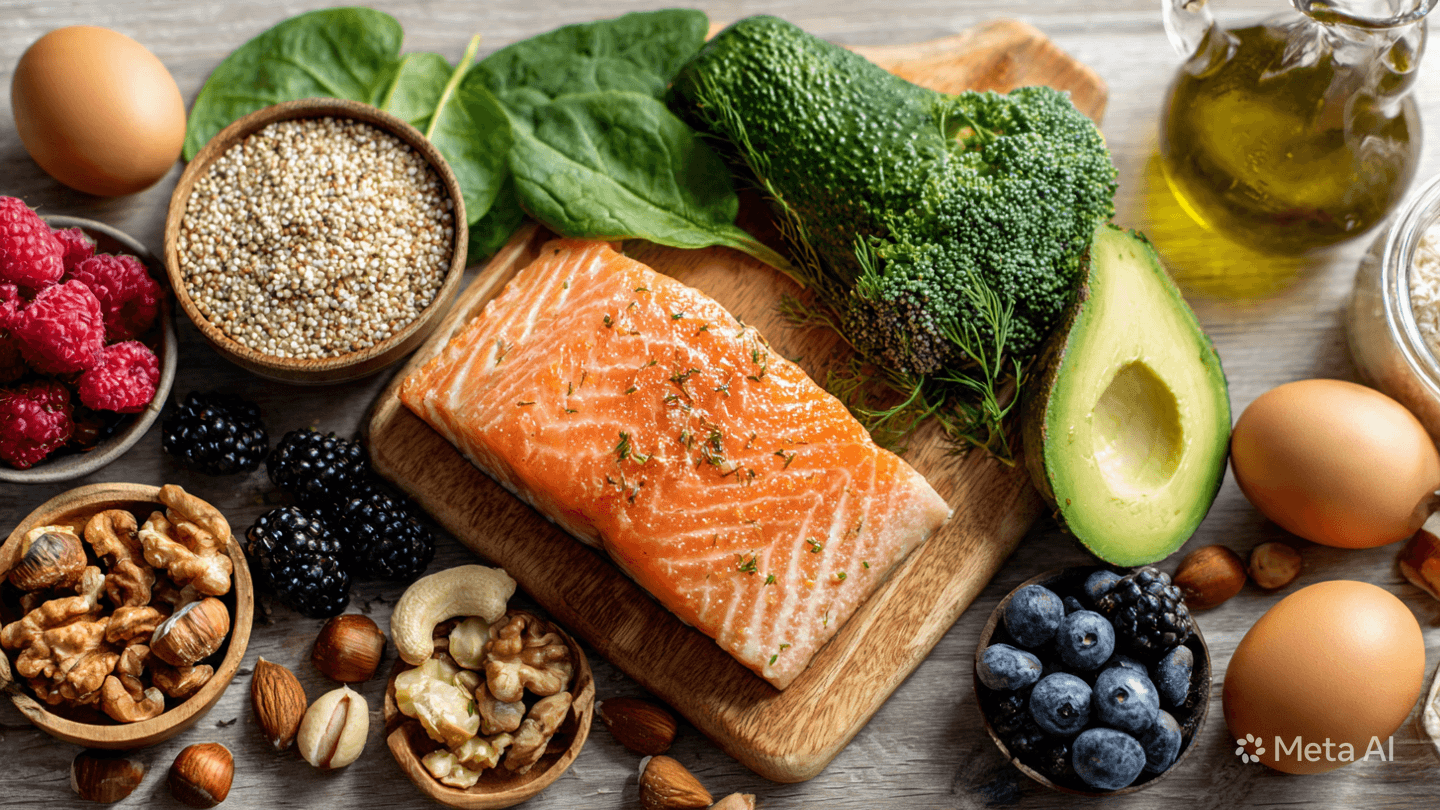
Knowing what to eat is half the battle. Here is a comprehensive list of foods that support better insulin sensitivity, backed by expert recommendations .
1. Non-Starchy Vegetables
These are the foundation of an insulin resistance diet. They are low in calories and carbohydrates but packed with fibre, vitamins, and antioxidants that fight inflammation .
Excellent choices: Leafy greens (spinach, kale), broccoli, cauliflower, bell peppers, asparagus, zucchini, Brussels sprouts, and carrots.
2. Whole Grains
Unlike refined grains, whole grains are complex carbohydrates that digest slowly, helping to limit blood sugar spikes . They are also rich in fibre and other anti-inflammatory nutrients.
Excellent choices: Oatmeal, quinoa, brown rice, barley, farro, and whole-wheat bread or pasta.
3. Lean Proteins
Protein is essential for satiety, muscle maintenance, and slowing digestion, all of which contribute to better blood sugar control .
Excellent choices: Skinless chicken or turkey, fatty fish (salmon, mackerel, herring, sardines, tuna), eggs, tofu, tempeh, and low-fat dairy products like Greek yoghurt and cottage cheese.
4. Beans and Legumes
These are nutritional powerhouses, offering a combination of high fibre and lean protein. They have a low glycemic index, making them perfect for an insulin resistance diet .
Excellent choices: Lentils, chickpeas, kidney beans, black beans, and split peas.
5. Fruits (with a Focus on Lower Glycemic Options)
Fruit can absolutely be part of an insulin resistance diet, especially when you choose options that are higher in fibre and lower on the glycemic index .
Excellent choices: Berries (blueberries, strawberries, raspberries, blackberries), apples, pears, and grapefruit.
6. Healthy Fats and Nuts
Healthy fats reduce inflammation and support cell function. Nuts also provide a good dose of fibre and protein .
Excellent choices: Avocados, extra virgin olive oil, walnuts, almonds, flaxseed, and chia seeds.
Foods to Avoid or Limit
Just as important as what you eat is what you choose to reduce or eliminate. These foods can cause rapid blood sugar spikes and worsen insulin resistance .
1. Sugary Beverages
This is one of the biggest culprits. Soda, sweetened tea, sports drinks, and fruit juice are packed with sugar that floods your bloodstream, causing a massive insulin spike. Just one can of soda contains about 40 grams of sugar—more than the daily limit recommended by the American Heart Association .
2. Refined Carbohydrates
White bread, white rice, pasta made with white flour, and many commercial cereals are “refined carbohydrates.” They are quickly broken down into sugar, leading to rapid blood glucose spikes .
3. Ultra-Processed Foods and Sweet Treats
Packaged snacks, fast food, and frozen meals often contain high amounts of added sugar, unhealthy fats (like trans fats), and sodium, all of which worsen inflammation and insulin resistance . Baked goods like cakes, cookies, and pastries are high in both sugar and refined white flour—a double whammy.
High Intake of Red and Processed Meat
Studies have linked a high intake of red meat and processed meat to an increased risk of obesity and insulin resistance, likely due to their high saturated fat content. Choose poultry, fish, or plant-based proteins like beans and tofu instead .
Quick Reference Table: Insulin Resistance Diet Food List
| Food Category | Best Choices (Eat More) | Foods to Limit (Eat Less) |
|---|---|---|
| Vegetables | Leafy greens, broccoli, bell peppers, asparagus, cauliflower, zucchini | Starchy vegetables like potatoes and corn in large quantities |
| Grains | Oatmeal, quinoa, brown rice, barley, whole-wheat bread | White bread, white rice, regular pasta, sugary cereals |
| Protein | Salmon, chicken, turkey, eggs, tofu, beans, lentils | Fatty cuts of red meat, processed meats (bacon, sausage) |
| Fruits | Berries, apples, pears, grapefruit | Fruit juice, canned fruit in syrup, very sweet fruits like watermelon and pineapple in large portions |
| Fats | Olive oil, avocados, nuts, seeds, fatty fish | Fried foods, margarine, and products with trans fats |
| Beverages | Water, unsweetened tea, black coffee | Soda, fruit juice, energy drinks, sweetened teas |
A Sample One-Day Meal Plan for Insulin Resistance
To put these principles into practice, here is a sample one-day meal plan inspired by the Mediterranean-style eating pattern, which is widely recommended for managing blood glucose and improving insulin sensitivity .
Breakfast:
Steel-cut oats with a handful of walnuts, a serving of blueberries, and a dash of cinnamon. Cinnamon is rich in antioxidants and may have a protective effect against insulin resistance .
Lunch:
A quinoa salad with arugula, cherry tomatoes, chickpeas, cucumber, feta cheese, and a dressing made with olive oil and lemon juice.
Snack:
Apple slices with a tablespoon of almond butter. This combines fibre from the apple and protein and healthy fats from the nut butter to keep you satisfied.
Dinner:
Grilled salmon (rich in omega-3s) served with a generous portion of sautéed spinach and a side of roasted sweet potatoes.
Dessert:
A few squares of 85% dark chocolate .
Practical Tips for Success and Lifestyle Factors
Changing your diet is a powerful step, but it’s not the only one. Combining dietary changes with other healthy habits will significantly enhance your results.
Move More Every Day
Regular exercise is one of the most effective ways to improve insulin sensitivity. Aerobic exercise (cardio) helps your cells respond better to insulin . Aim for at least 150 minutes of moderate-intensity exercise per week, such as brisk walking, swimming, or cycling. Start slowly if you’re new to exercise to avoid injury and burnout .
Prioritise Sleep
Poor sleep can lead to food cravings and changes in appetite, making it harder to stick to a healthy diet. It can also worsen insulin resistance. Aim for 7-9 hours of quality, uninterrupted sleep per night .
Manage Stress
Chronic stress raises cortisol levels, a hormone that can increase blood sugar and promote fat storage, particularly around the abdomen. Find healthy ways to manage stress, such as yoga, meditation, or spending time in nature .
Read Food Labels
Sugar is hidden in many processed foods you might not suspect, including sauces, dips, and ready-made meals. Get into the habit of reading ingredient lists and nutrition facts. A good rule of thumb is to choose foods and drinks with less than 8 grams of sugar per serving .
What is the best overall diet for insulin resistance?
Will I have to give up all carbohydrates?
How long does it take to see improvements?
With consistent changes to your diet and lifestyle, improvements can be seen in a matter of weeks to months. Simple changes, such as losing 7% of excess weight, have been shown to reduce the risk of developing type 2 diabetes by 58% . Insulin resistance is a condition that can be managed and even reversed over time with a long-term commitment to healthy habits.
Final Thoughts: Your Path to Better Health
Developing an insulin resistance diet plan is not about a temporary, restrictive “diet.” It’s about adopting a sustainable, nourishing way of eating that supports your body’s ability to process glucose effectively. By prioritising fibre-rich foods, lean proteins, and healthy fats, while limiting sugary drinks and refined carbs, you can significantly improve your insulin sensitivity and reduce your risk of developing type 2 diabetes .
Remember, small, consistent changes often lead to the most sustainable results. Start by adding more vegetables to your plate, swapping white bread for whole-grain, and taking a short walk after your meals. Be kind to yourself, celebrate your progress, and consider working with a registered dietitian who can help create a meal plan tailored to your specific needs and preferences . You have the power to make a significant, positive impact on your health.