Thyroid Diet Plan: A Comprehensive Guide to Eating for Thyroid Health
Your thyroid is a small, butterfly-shaped gland located at the base of your neck, but its impact on your body is enormous. It acts as your body’s thermostat and engine room, regulating metabolism, heart rate, body temperature, and energy levels . When your thyroid isn’t functioning properly—whether it’s overactive (hyperthyroidism) or underactive (hypothyroidism)—it can affect nearly every aspect of your health and daily life.
The good news is that while medication is often the cornerstone of thyroid disorder treatment, diet plays a powerful supporting role. What you eat can directly influence how well your thyroid functions, how effectively your medication works, and how you feel overall . This comprehensive guide will walk you through everything you need to know about a thyroid-friendly diet plan, tailored to your specific condition.
Understanding the Thyroid-Food Connection
Your thyroid gland produces hormones—primarily T3 (triiodothyronine) and T4 (thyroxine)—that control how your body uses energy. For your thyroid to manufacture these hormones, it needs specific nutrients, particularly iodine and the amino acid tyrosine . The gland also requires other micronutrients like selenium, zinc, and iron to convert inactive T4 into the active T3 hormone and to protect the gland from oxidative damage .
Certain foods, however, can interfere with this process. They may block iodine uptake, trigger inflammation (especially in autoimmune conditions like Hashimoto’s thyroiditis), or interfere with medication absorption. This is why understanding what to eat—and what to limit—is so important.
A Note on Condition-Specific Needs
It’s crucial to understand that a “thyroid diet” isn’t one-size-fits-all. The best approach depends entirely on whether your thyroid is overactive (hyperthyroidism) or underactive (hypothyroidism). We will explore both in detail, but here’s a fundamental distinction:
- Hyperthyroidism (Overactive Thyroid): Your thyroid makes too much hormone, speeding up your metabolism. The goal is to avoid stimulating it further and to manage the high metabolic load.
- Hypothyroidism (Underactive Thyroid): Your thyroid doesn’t make enough hormone, slowing down your metabolism. The goal is to support the gland’s function and ensure your medication works effectively.
Part 1: Diet Plan for Hypothyroidism (Underactive Thyroid)
Hypothyroidism means your thyroid gland doesn’t produce enough hormones, leading to symptoms like fatigue, weight gain, cold intolerance, and brain fog . While there is no specific “cure-all” diet, certain food choices can help support thyroid function and improve your overall health. Research suggests that dietary patterns like the Mediterranean diet, which emphasises whole foods, fruits, vegetables, and healthy fats, are associated with a lower risk of hypothyroidism and better overall health .
Best Foods to Eat for Hypothyroidism
Focus on a balanced diet rich in these essential nutrients:
Foods High in Selenium: The “Protector”
Selenium is crucial for thyroid hormone metabolism. It acts as an antioxidant, protecting the thyroid gland from inflammation and damage, and it is essential for converting the inactive T4 hormone into the active T3 form . Some studies have shown that selenium supplementation can help reduce antibodies that attack the thyroid in autoimmune conditions.
Top sources: Brazil nuts (just 2-3 nuts a day can meet your daily requirement!), tuna, shrimp, turkey, chicken, cottage cheese, and eggs .
Foods High in Zinc: The “Helper”
Zinc is required for the synthesis of Thyroid-Stimulating Hormone (TSH), which signals your thyroid to produce hormones. A zinc deficiency is linked to hair thinning and poor immunity, common symptoms in women with thyroid issues.
Top sources: Oysters, beef, turkey, pumpkin seeds, lentils, and oats.
Foods High in Iodine: The “Raw Material”
Iodine is the core building block of thyroid hormones. However, balance is critical. While hypothyroidism sometimes results from iodine deficiency, this is rare in countries where salt is iodised. The recommended daily intake for most adults is 150 micrograms .
Top sources: Iodized table salt, seafood (like cod and oysters), dairy products, and eggs . Always consult your doctor before taking iodine supplements, as too much can worsen autoimmune thyroid conditions.
Foods High in Vitamins B12 and D
People with hypothyroidism often have lower levels of these vitamins, which are essential for energy metabolism, nervous system health, and bone health .
- Vitamin B12 sources: Beef liver, seafood, turkey, eggs, and dairy .
- Vitamin D sources: Cod liver oil, seafood, dairy products, and mushrooms .
Foods to Limit or Consume with Caution
The following foods aren’t necessarily “forbidden,” but you need to be mindful of how and when you consume them.
Soy
Soy can interfere with the absorption of thyroid hormone replacement medication (like levothyroxine) . The key is timing: avoid consuming soy products for a few hours before and after taking your medication . Soy milk, tofu, edamame, and soy sauce are common sources to watch out for .
Raw Cruciferous Vegetables (Goitrogens)
Vegetables like broccoli, cabbage, cauliflower, kale, and Brussels sprouts contain compounds called goitrogens that can interfere with the thyroid’s ability to absorb iodine . You do not need to avoid these healthy vegetables! The risk is only significant when eaten in large, raw amounts. Cooking (steaming, boiling, or sautéing) deactivates these compounds, making them safe to eat .
Gluten
There is a known link between celiac disease (severe gluten intolerance) and autoimmune thyroid disorders like Hashimoto’s. Some people find that going gluten-free improves their symptoms, likely because it reduces gut inflammation and improves nutrient absorption . If you suspect a gluten sensitivity, talk to your doctor before making drastic changes.
Cassava (Yuca)
This root vegetable is an exception among roots. When not prepared properly, it can release toxins that slow down thyroid hormone production. It is best avoided if you have hypothyroidism .
Important Supplement Warning
Do not take iodine supplements or kelp supplements without your doctor’s approval. In the U.S. and many other countries, you are likely already getting enough iodine from your diet. Taking extra iodine can actually cause hypothyroidism or make it worse by stimulating an autoimmune attack on your thyroid .
Part 2: Diet Plan for Hyperthyroidism (Overactive Thyroid)
Hyperthyroidism, including Graves’ disease, means your thyroid is overactive and produces too much hormone. This speeds up your metabolism, leading to symptoms like unintentional weight loss, rapid heartbeat, anxiety, and excessive sweating. The dietary goal for hyperthyroidism is different: you need to manage the high metabolic demand and avoid stimulating the thyroid further.
Best Foods to Eat for Hyperthyroidism
High-Calorie Diet
Because your metabolism is running at high speed, you burn through calories quickly. To prevent unhealthy weight loss and malnutrition, you need to eat more than usual—up to 50-75% more than your normal caloric needs.
Suggestion: Add more nutrient-dense foods like lean meats, healthy fats (avocados, nuts), and complex carbohydrates to your meals.
High-Protein Diet
Hyperthyroidism increases protein breakdown, especially in muscles, which can lead to weakness . Aim for about 1.5 grams of protein per kilogram of your body weight . Good sources include eggs, milk, lean meat, fish, and poultry .
High-Calcium and Vitamin D Foods
Long-term hyperthyroidism can lead to bone loss (osteoporosis) as hormones that regulate calcium metabolism are affected . It is vital to get enough calcium and vitamin D. Good sources include dairy products, leafy greens (in moderate amounts), and fortified foods .
Stay Hydrated
The increased sweating from a hyperactive thyroid means you lose more fluids. It’s important to drink plenty of water. Aim for at least 8-10 glasses a day .
Foods and Substances to Avoid
Strictly Limit Iodine
Since iodine is the building block for thyroid hormone, extra iodine will fuel an already overactive thyroid . You need to follow a low-iodine diet. This means strictly avoiding high-iodine foods like seaweeds (kelp, nori, kombu), seafood, and using non-iodized salt.
Note: If you are scheduled for radioactive iodine treatment, a strict low-iodine diet is usually recommended for about two weeks beforehand to ensure the treatment is effective.
Avoid Caffeine and Stimulants
Hyperthyroidism often causes a racing heart, tremors, and anxiety. Caffeine from coffee, tea, energy drinks, and soda can exacerbate these symptoms . It’s best to limit or avoid these beverages.
Limit High-Fibre Foods
This might seem counterintuitive, but because hyperthyroidism can speed up digestion and cause diarrhea, a diet very high in fibre can make these symptoms worse . If you are experiencing loose stools, it’s wise to limit high-fibre foods like bran, whole grains, and certain raw vegetables until your condition is controlled.
Key Nutrients at a Glance
| Nutrient | Role in Thyroid Health | Best Food Sources | Deficiency Signs |
|---|---|---|---|
| Iodine | Core component of thyroid hormones | Iodized salt, cod, oysters, dairy, eggs | Goiter, hypothyroidism |
| Selenium | Protects gland, converts T4 to T3 | Brazil nuts, tuna, shrimp, turkey, eggs | Brain fog, fatigue |
| Zinc | Helps synthesize TSH, converts T4 to T3 | Oysters, beef, turkey, lentils, pumpkin seeds | Hair loss, poor immunity |
| Iron | Enzyme cofactor for thyroid hormone production | Red meat, poultry, beans, spinach | Fatigue, cognitive impairment |
| Vitamin D | Modulates immune function, bone health | Cod liver oil, seafood, dairy, mushrooms | Bone loss, immune dysfunction |
| Vitamin B12 | Supports energy and nerve function | Beef liver, seafood, eggs, dairy | Fatigue, weakness |
Practical Tips for a Thyroid-Friendly Diet
Beyond the specific food lists, these practical strategies will help you get the most out of your thyroid diet plan.
1. Time Your Medication and Food Correctly
This is one of the most crucial tips for people on thyroid hormone replacement (like levothyroxine). For the medication to be absorbed effectively:
- Take it on an empty stomach, first thing in the morning .
- Wait at least 30-60 minutes before eating or drinking anything other than water .
- Avoid consuming soy, high-calcium foods (milk, yoghurt, supplements), or iron supplements for at least 4 hours after taking your medication . They can bind to the medication and prevent proper absorption .
2. Focus on Whole Foods
Instead of a complicated diet, keep it simple. The same healthy eating patterns that benefit your heart and waistline also benefit your thyroid . Base your diet on:
- Fruits and Vegetables: Aim for a variety of colours to get a wide range of vitamins and antioxidants .
- Lean Protein: Include chicken, fish, eggs, beans, and lentils in your meals .
- Whole Grains: Choose brown rice, quinoa, and oats over refined white bread or pasta .
- Healthy Fats: Use olive oil, eat avocados, and snack on nuts and seeds .
3. Manage Inflammation
Many thyroid conditions, particularly hypothyroidism, are autoimmune in nature (like Hashimoto’s) . Chronic inflammation plays a key role. Adopting an anti-inflammatory diet can help. This means focusing on antioxidant-rich foods and limiting those that cause inflammation, like processed meats, refined sugars, and trans fats .
4. Listen to Your Gut
There is a strong connection between gut health and thyroid function. A large portion of thyroid hormone conversion happens in the gut . To support your gut health:
- Include probiotic-rich foods like yoghurt, kefir, and fermented foods .
- Stay hydrated by drinking plenty of water.
5. Cook Your Crucifers
As mentioned, if you have hypothyroidism, simply cooking cruciferous vegetables like broccoli, kale, and cabbage neutralises the goitrogens that could interfere with iodine uptake . Enjoy them steamed, roasted, or in soups.
A Sample One-Day Meal Plan (For Hypothyroidism)
Here is a simple example of what a balanced, thyroid-friendly day of eating might look like:
Breakfast:
A bowl of oatmeal with a handful of walnuts (for selenium) and a serving of berries. Skip the cow’s milk if you’re planning to take your medication soon after.
Lunch:
A quinoa salad with mixed greens, chickpeas, cherry tomatoes, cucumber, and a lemon-olive oil dressing. Top with a hard-boiled egg.
Snack:
Apple slices with a tablespoon of almond butter. (A small handful of Brazil nuts would be an even better selenium boost!)
Dinner:
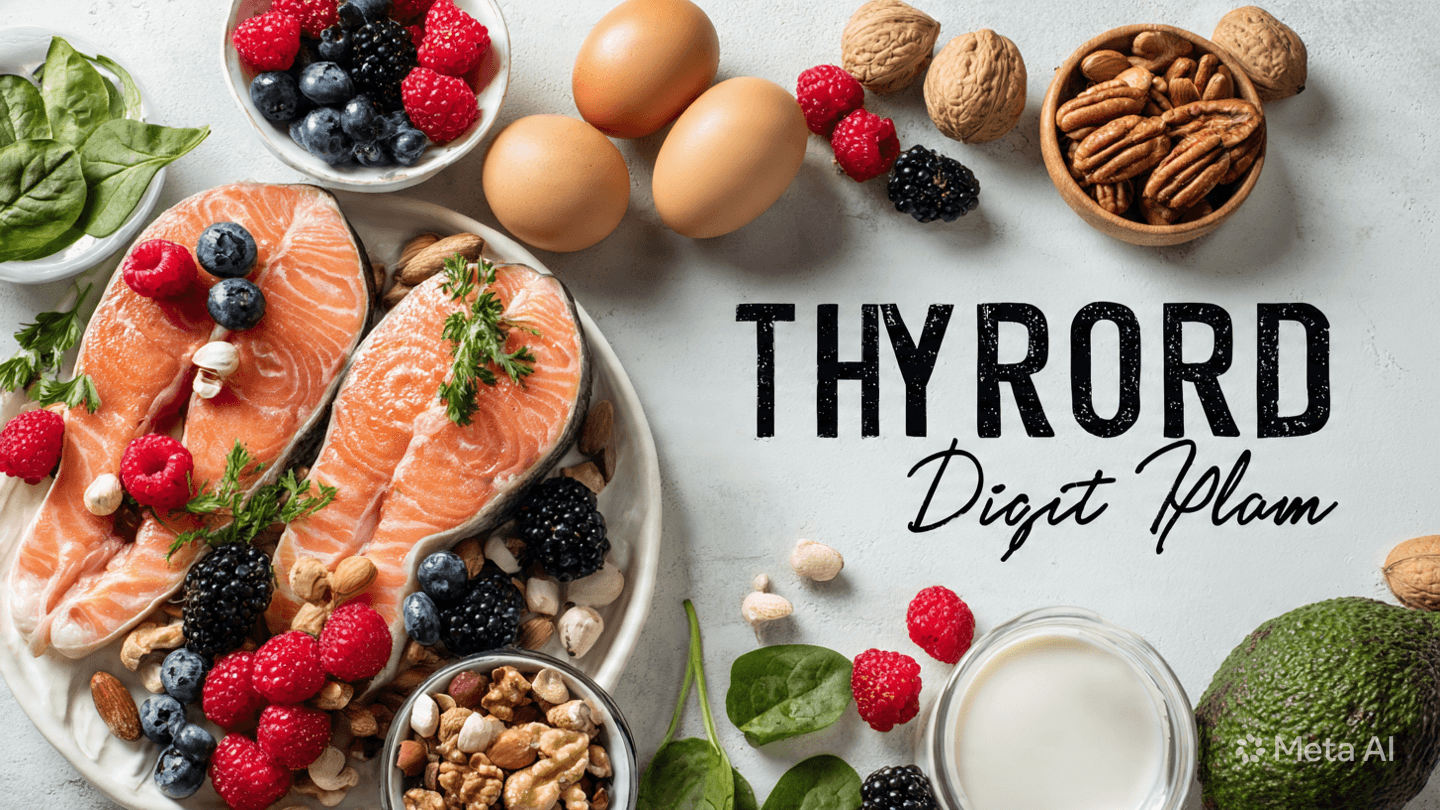
Baked salmon (rich in selenium and omega-3s) served with a generous portion of sautéed spinach (cooked!) and a side of roasted sweet potatoes.
Dessert:
A few squares of 85% dark chocolate.
Can I eat cruciferous vegetables if I have hypothyroidism?
Do I need to take iodine supplements for my thyroid?
For most people in the U.S. and other developed countries, no. Iodine deficiency is rare, and your diet likely provides enough. Taking iodine supplements, especially if you have an autoimmune condition, can actually make your hypothyroidism worse. If you have hyperthyroidism, iodine supplements are generally strictly forbidden . Always consult your doctor.
Can I drink coffee with thyroid medication?
Coffee can significantly reduce the absorption of your medication. It’s best to wait at least 60 minutes after taking your thyroid pill before drinking coffee.
Final Thoughts: A Holistic Approach to Thyroid Health
It’s important to remember that diet is not a cure for thyroid conditions like hypothyroidism or hyperthyroidism. You should never replace your prescribed medication with dietary changes. However, food is a powerful tool in your overall wellness toolkit.
By understanding the specific nutritional needs of your condition, making informed choices, and timing your meals carefully around your medication, you can significantly support your thyroid function, improve your energy levels, and enhance your quality of life. Start with one or two changes at a time, listen to your body, and always keep the lines of communication open with your healthcare provider. Small, consistent changes are the key to long-term success.