3 lunch on a budget Recipes: Tasty and Fulfilling
We’ve all been there. It’s 12:30 PM, you’re hungry, and the only thing between you and lunch is a $15 sandwich or a sad vending machine granola bar. Eating well on a budget isn’t about coupon-clipping marathons or surviving on instant noodles. It’s about small, smart choices that add up over time.
I’ve learned this the hard way—spending too much on weekday lunches, then wondering where my grocery budget went. After years of trial and error, I’ve built a system that works. Let me share it with you.
What Is a Budget Lunch, Really?
A budget lunch costs between 2and5 per serving. That’s it. No complicated math. It should fill you up, use mostly pantry staples, and rely on a few fresh ingredients that won’t spoil in two days.
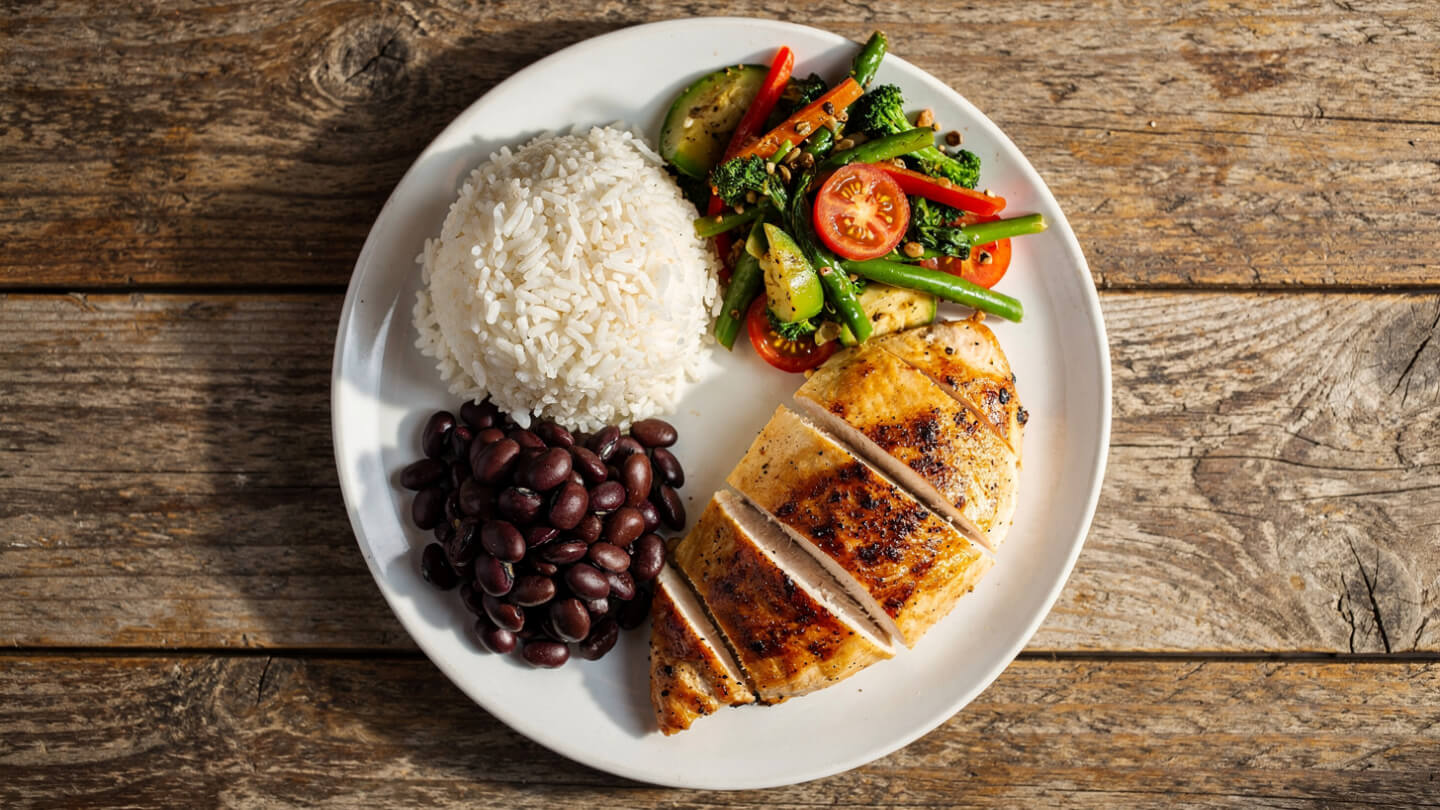
Think beans, rice, eggs, frozen vegetables, and seasonal produce. If you can make three lunches out of one grocery run, you’re doing it right.
Foods to Eat and Avoid on a Budget Lunch Plan
Not all cheap foods are created equal. Some save you money now but cost you energy and health later. Others are true kitchen heroes.
Here’s a quick comparison table to keep things clear.
| Safe (Budget-Friendly & Nutritious) | Unsafe (Seems Cheap but Wastes Money) |
|---|---|
| Canned chickpeas, lentils, black beans | Individually wrapped cheese sticks |
| Frozen spinach, peas, mixed veggies | Pre-cut fruit cups |
| Whole wheat pasta, brown rice, oats | Flavored instant rice packets |
| Eggs, canned tuna, bulk tofu | Deli meat by the slice |
| Homemade vinaigrette (oil + vinegar) | Bottled dressing (expensive per serving) |
| Seasonal apples, carrots, cabbage | Out-of-season berries or bagged salad |
The “unsafe” column isn’t bad food. It’s just overpriced for what you get. A block of cheese costs less per ounce than cheese sticks. Heads of cabbage last longer than bagged lettuce. Small switches, big savings.
5 Common Mistakes That Blow Your Lunch Budget
1. Buying lunch every day “just this once”
For $50, you can buy groceries for a full week. The “once” becomes a habit before you notice.
2. Overbuying fresh produce without a plan
Buy what you’ll cook in 48 hours, or go frozen.
3. Ignoring leftovers
Cook once, eat twice (or three times). Leftover dinner is tomorrow’s budget lunch hero. No shame in eating the same thing twice.
4. Shopping at tiny convenience stores
That corner shop is charging you triple for milk and eggs. Plan one weekly trip to a discount grocer or big supermarket.
5. Skipping breakfast and overeating at lunch
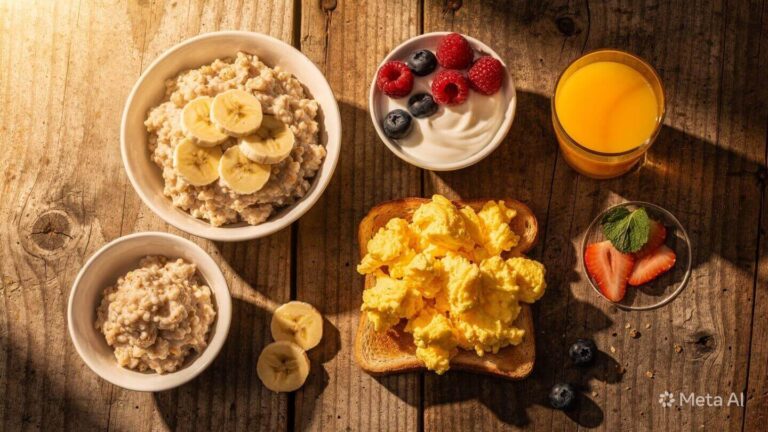
When you’re starving, you make expensive decisions. A simple banana or toast at 9 AM stops the 12 PM panic buy.
3 Full Budget Lunch Recipes
Each recipe costs roughly $2–4 per serving. Nutritional facts are estimates based on standard ingredients.
Recipe 1: Chickpea & Spinach Rice Bowl
| Ingredient | Amount |
|---|---|
| Canned chickpeas (drained) | 1 can (15 oz) |
| Frozen spinach | 1 cup |
| Cooked brown rice | 1 cup |
| Garlic powder | 1 tsp |
| Olive oil | 1 tbsp |
| Lemon juice | 1 tbsp |
| Salt & pepper | To taste |
Instructions:
Heat olive oil in a pan. Add chickpeas, garlic powder, salt, and pepper. Cook for 3 minutes. Add frozen spinach and cook until wilted. Serve over brown rice. Drizzle with lemon juice.
Nutritional info (per serving, recipe makes 2 servings):
Calories: 420 | Protein: 16g | Carbs: 62g | Fat: 12g | Fiber: 14g
Recipe 2: Tuna & White Bean Salad
| Ingredient | Amount |
|---|---|
| Canned tuna (in water) | 1 can (5 oz) |
| Canned cannellini beans | 1 can (15 oz) |
| Red onion (finely chopped) | 2 tbsp |
| Fresh parsley (or dried) | 2 tbsp |
| Red wine vinegar | 1 tbsp |
| Olive oil | 1 tbsp |
Instructions:
Drain tuna and beans. Mix everything in a bowl. Mash slightly with a fork for a creamier texture. Eat on bread, crackers, or alone.
Nutritional info (per serving, recipe makes 2 servings):
Calories: 380 | Protein: 28g | Carbs: 30g | Fat: 14g | Fiber: 10g
Recipe 3: Egg & Cabbage Fried “Rice”
| Ingredient | Amount |
|---|---|
| Eggs | 3 |
| Finely chopped cabbage | 2 cups |
| Cooked rice (day-old is best) | 1 cup |
| Soy sauce (or tamari) | 2 tbsp |
| Frozen peas & carrots mix | ½ cup |
| Garlic powder | 1 tsp |
| Oil | 1 tbsp |
Instructions:
Scramble eggs in a pan, remove. Add oil, cabbage, and frozen veggies. Cook 4 minutes. Add rice and garlic powder. Stir in soy sauce and cooked eggs. Cook 2 more minutes.
Nutritional info (per serving, recipe makes 2 servings):
Calories: 410 | Protein: 19g | Carbs: 48g | Fat: 16g | Fiber: 6g
Can I eat on $2 per lunch?
Yes, but you’ll rely heavily on beans, rice, eggs, and frozen vegetables. Skip meat except for canned tuna once a week. Cook from scratch. It’s doable.
How do I store budget lunches for the week?
Use airtight containers. Keep grains and wet ingredients separate until you eat (e.g., dressing on the side). Most cooked meals last 4 days in the fridge.
Are frozen vegetables really as healthy as fresh?
Often, yes. They’re frozen at peak ripeness, so they retain more vitamins than fresh veggies that sat on a truck for a week. And they’re cheaper.
Final Thought
Budget lunch isn’t about deprivation. It’s about freedom—the freedom to eat without guilt over spending too much, and the freedom to save your money for things that truly matter. I still buy lunch out sometimes. But now it’s a choice, not a reflex.
Start small. Pick one recipe from above. Make it twice this week. Notice how your wallet feels on Friday. Then come back and try another.