Grocery List on a Budget for 3 Best Recipes
Let me tell you a quick truth. Walking into a grocery store without a list is like driving without a map. You’ll wander. You’ll buy things you don’t need. And you’ll definitely overspend.
I used to do this every week. I’d come home with fancy cheese, three kinds of crackers, and no actual dinner ingredients. Then I’d order takeout anyway. Sound familiar?
A smart grocery list changes everything. Not a long, unrealistic one. A short, strategic list built around cheap, flexible ingredients that actually taste good together. Let me show you exactly how I do it.
What a Budget Grocery List Actually Looks Like
A budget grocery list focuses on shelf-stable and frozen foods first, then fresh produce that costs less than $2 per pound. No brand names unless they’re on sale. No “maybe I’ll try this” items.
Your list should fit on a sticky note. Seriously. If it’s longer than your hand, you’re overcomplicating things.
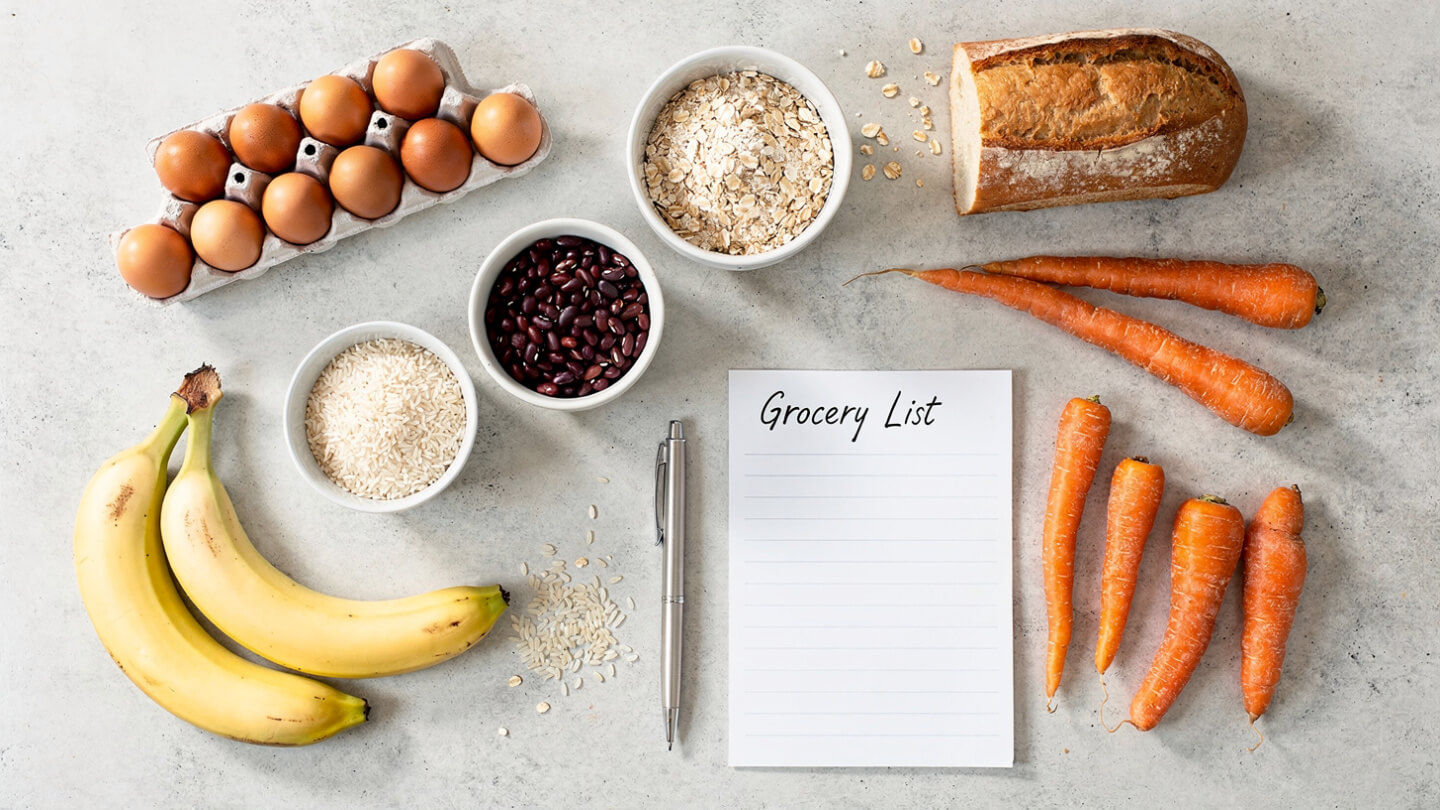
Core categories: grains (rice, oats, pasta), protein (eggs, beans, tuna, tofu), frozen veggies, cheap fresh produce (onions, carrots, cabbage, bananas), and a few flavor builders (oil, salt, garlic, soy sauce).
Foods to Put on Your List vs. Foods to Leave Off
Not every cheap-looking item belongs in your cart. Some are traps. Here’s a clear breakdown.
| Put on the List (Wise & Wallet-Friendly) | Leave Off (Hidden Cost Traps) |
|---|---|
| Dry lentils (under $2/lb) | Canned soup ($3+ for one meal) |
| Whole chicken or pork shoulder (cost per meal low) | Pre-seasoned or pre-cut meat |
| Store-brand oats (huge bag) | Single-serving instant oatmeal packets |
| Block cheese (you shred it) | Shredded cheese bags (pay for convenience) |
| Whole wheat flour | Boxed pancake mix |
| Bulk spices from bulk bins | Jarred spice blends |
| In-season apples, oranges, potatoes | Out-of-season berries or mangoes |
The rule is simple: the more someone else processed it, the more you pay. You’re not lazy for buying pre-shredded cheese. But your budget will thank you if you buy the block.
5 Common Mistakes That Ruin a Budget Grocery List
1. Shopping when you’re hungry
You already know this. You still do it. Eat a snack before you go. Hunger makes you buy creamy dips, cookies, and expensive ready-made meals.
2. Not checking what you already have
Buying a third jar of paprika or a second bag of rice is just throwing money away. Look in your pantry before you write your list.
3. Writing “vegetables” with no specifics
“Vegetables” is not a grocery list. That’s a wish. Write “one bag frozen spinach, two onions, one cabbage.” Specifics keep you focused.
4. Falling for end-cap displays
Stores put high-profit items at eye level and on end caps. That “sale” salsa is often still more expensive than the plain tomatoes you could turn into salsa yourself.
5. Shopping at only one store
Milk and eggs are cheapest at discount grocers. Spices are cheapest in bulk. Produce is cheapest at ethnic markets or local stands. Two short stops can save you $10–15 a week.
3 Full Budget Recipes (With Grocery-Friendly Lists)
Each recipe uses ingredients from a smart budget list. No weird one-off purchases. Nutritional facts are estimates.
Recipe 1: Lentil & Potato Soup
| Ingredient | Amount |
|---|---|
| Dry brown lentils | 1 cup |
| Potatoes (any kind) | 2 medium |
| Onion | 1 small |
| Carrot | 1 large |
| Garlic cloves | 2 |
| Vegetable broth (or water + bouillon) | 4 cups |
| Olive oil | 1 tbsp |
| Salt, pepper, thyme | To taste |
Instructions:
Dice onion, carrot, garlic, and potatoes. Sauté onion and carrot in oil for 5 minutes. Add garlic, potatoes, lentils, broth, and spices. Simmer 30 minutes until lentils are soft. Serve with bread if you have it.
Nutritional info (per serving, recipe makes 4 servings):
Calories: 310 | Protein: 15g | Carbs: 52g | Fat: 4g | Fiber: 14g
Recipe 2: 5-Ingredient Black Bean Burgers
| Ingredient | Amount |
|---|---|
| Canned black beans (drained) | 1 can (15 oz) |
| Breadcrumbs (or crushed crackers) | ½ cup |
| Egg | 1 |
| Onion powder | 1 tsp |
| Oil for frying | 2 tbsp |
Instructions:
Mash beans in a bowl. Add breadcrumbs, egg, and onion powder. Mix with your hands. Form into two patties. Fry in oil over medium heat for 4 minutes per side. Eat on bread or alone.
Nutritional info (per serving, recipe makes 2 burgers):
Calories: 420 | Protein: 19g | Carbs: 58g | Fat: 14g | Fiber: 15g
Recipe 3: Cabbage & Egg Skillet
| Ingredient | Amount |
|---|---|
| Green cabbage (shredded) | 3 cups |
| Eggs | 4 |
| Cooked rice (optional) | 1 cup |
| Soy sauce | 2 tbsp |
| Garlic powder | 1 tsp |
| Oil | 1 tbsp |
Instructions:
Heat oil in a large pan. Add cabbage and garlic powder. Cook 6–8 minutes until soft and slightly browned. Push cabbage to one side. Crack eggs into the empty side. Scramble gently. Mix everything together with soy sauce. Add rice if using.
Nutritional info (per serving, recipe makes 2 servings without rice):
Calories: 340 | Protein: 18g | Carbs: 18g | Fat: 22g | Fiber: 5g
How much should I spend on groceries per week for one person?
A realistic budget for one adult is 40–60 per week if you cook most meals. That’sroughly6–8 per day. Adjust up if you live in a high-cost city, but the list principles stay the same.
Should I buy organic on a budget?
No. Organic is nice, but it’s not a necessity. Spend your money on quantity and variety of produce instead. The health benefit of eating more vegetables outweighs the small difference between organic and conventional.
Can I use this list for a family of four?
Yes, but multiply quantities by 3 or 4. Buy larger bags of rice and beans. Get a whole chicken instead of eggs as your main protein. Add flour and yeast for homemade bread.
How do I stick to my list in the store?
Physically hold the list in your hand. Do not put anything in your cart that isn’t on it. If you see a real deal (manager’s special meat, clearance produce), decide before you grab it: “Am I cooking this tonight?” If yes, add it and remove something else from your list.
One last thing before you go
A budget grocery list isn’t about eating boring food. It’s about being intentional. You decide what matters. Maybe that’s a nice coffee out once a week instead of buying brand-name cereal. Maybe that’s saving for a trip instead of ordering avocado toast every day.
The list I just gave you has fed me through broke months, busy weeks, and lazy Sundays. It works because it’s simple. No apps. No extreme couponing. Just real food, real prices, and a little bit of planning.
Start with one recipe. Write one list. Shop once. See how much you save.