How to Cook Asparagus in the Oven
One of the simplest and tastiest ways to enjoy this nutritious vegetable is to cook it in the oven. When roasted correctly, asparagus has a deep, natural flavor, a slightly crispy outside, and a soft interior.
Don’t worry if you’ve ever had soggy or bland asparagus. With easy instructions, advice, and modifications to help you get flawless results every time, this comprehensive guide will demonstrate how to cook asparagus in the oven.
Why Oven-Roasted Asparagus Is So Popular?
Asparagus’s inherent sweetness is enhanced by roasting it in the oven, which also gives it a somewhat crispy texture that boiling or steaming cannot match. It’s easy to prepare, needs few ingredients, and can be used for both regular dinners and big events.
Here’s why it’s so popular:
- Simple to prepare
- Only needs a few ingredients.
- Low in calories and naturally healthy
- Well with a wide variety of seasonings
- In less than 20 minutes, ready
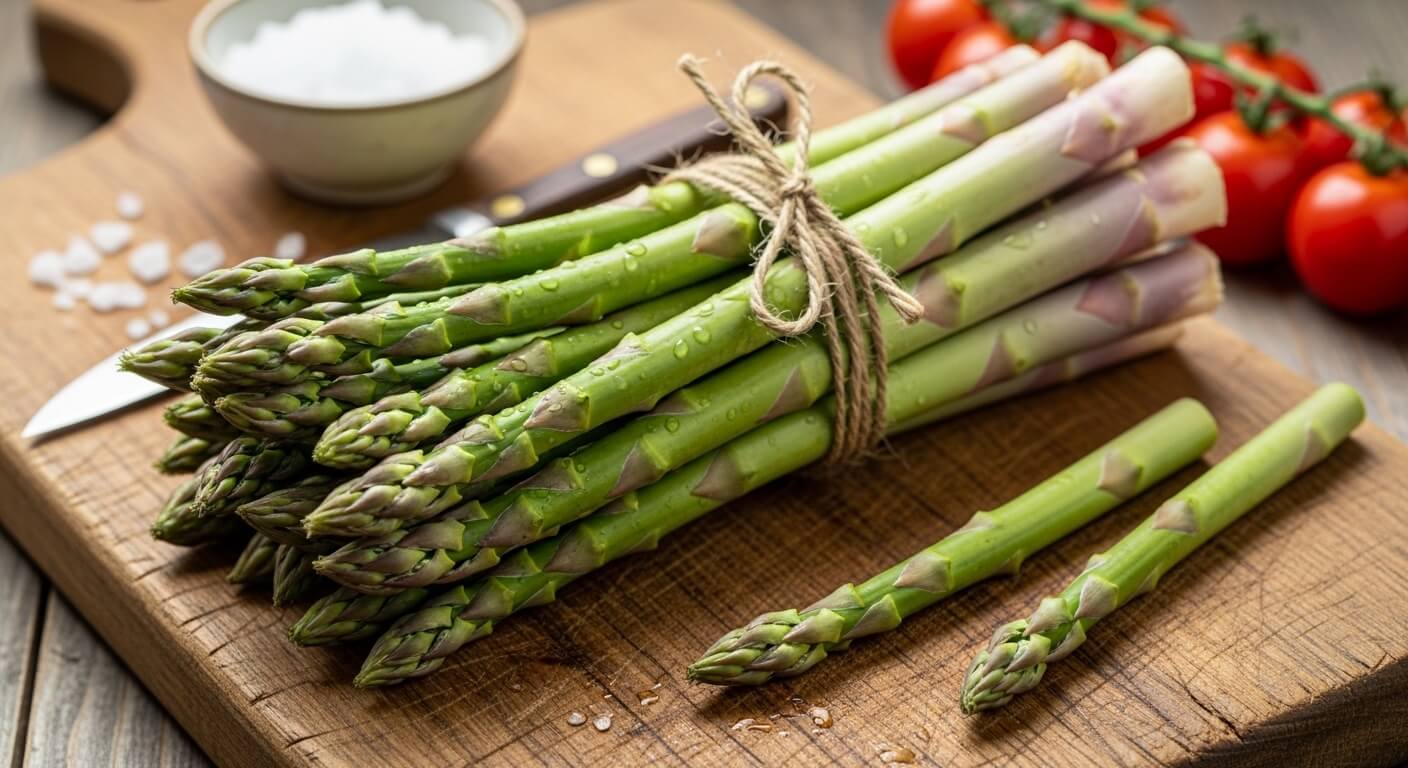
How to Choose Fresh Asparagus?
Selecting the appropriate asparagus is crucial before cooking.
Search for:
- Vibrant green stalks
- Straight, firm spears
- Tight, closed tips
- No withered or slimy areas
While thick asparagus is meatier and more soft within, thin asparagus cooks more quickly and gets crispier. Both are good; it just comes down to personal taste.
Preparing Asparagus for the Oven:
It only takes a few minutes to prepare.
1. Clean the Asparagus:
- To get rid of sand or dirt, rinse under cold water.
2. Cut Off the Ends:
- Asparagus has a rough, woody bottom.
- You are able to cut around 1-2 inches off the bottom, or snap it off by hand (it breaks naturally at the precise point).
3. Completely Dry:
- This is a crucial stage. You won’t get that crunchy feel because wet asparagus will steam rather than roast.
Basic Oven-Roasted Asparagus Recipe:
This is the simplest and most reliable method.
1. Ingredients:
- 1 bunch fresh asparagus
- 1–2 tablespoons olive oil
- Salt to taste
- Black pepper to taste
2. Instructions:
- Set the oven temperature to 200°C (400°F).
- Asparagus should be put on a baking tray.
- Pour some olive oil over it.
- Add a little salt and pepper.
- To coat evenly, toss.
- Don’t overcrowd; spread in a single layer.
- Roast for 12 to 15 minutes.
How Long to Cook Asparagus in the Oven?
Cooking time depends on thickness:
- Thin asparagus: 10–12 minutes
- Medium asparagus: 12–15 minutes
- Thick asparagus: 15–18 minutes
When will you know it’s finished?
- The tips have a hint of crunch.
- The stalks are not delicate, yet they are tender.
- Bright green with a hint of browning
Tips for Perfect Roasted Asparagus:
1. Avoid Packing the Pan too Full:
The asparagus will steam rather than roast if they are too close to one another. Spread it in a single layer at all times.
2. Make Use of High Heat:
High temperatures, such as 200°C (400°F), are ideal for roasting. You won’t get that crisp texture with lower heat.
3. Before cooking, dry:
The enemy of crispness is moisture. Make sure the asparagus is totally dry.
4. Make Use of Enough Oil:
A thin layer of oil aids in the even roasting and taste development of the asparagus.
5. Halfway Flip (Optional):
You can turn the asparagus halfway through cooking for uniform browning.
Flavor Variations You Can Try:
You may simply improve the flavor once you have mastered the basic formula.
1. Roasted Asparagus with Garlic:
Before roasting or in the final minutes, add the minced garlic.
2. Asparagus with lemon:
For a zesty, fresh flavor, squeeze fresh lemon juice after roasting.
3. Asparagus with Parmesan Cheese:
Add the grated Parmesan cheese for the final five minutes of simmering.
4. Hot Asparagus:
For a little spiciness, add paprika or chili flakes.
5. Butter and Herb Asparagus:
After roasting, toss with melted butter and herbs like thyme or parsley.
Common Mistakes to Avoid:
1. Cooking too Much:
The most frequent error is this one. Asparagus that has been overcooked loses its flavor and turns limp.
2. Excessive Oil Use:
It becomes oily rather than crisp when there is too much oil.
3. Ignoring Preheating:
Make sure your oven is always preheated. Proper roasting is ensured by starting with a hot oven.
4. Not Cutting Off Ends:
The woody ends should always be cut off because they are unpleasant to eat.
Can You Roast Asparagus Without Oil?
Asparagus can be roasted without oil, but the texture will be different. It can have less flavor and be a little drier.
Use very little oil or try the following if you’re looking for a healthy option:
- Juice from lemons
- Use a light frying spray
How to Make Asparagus Extra Crispy?
Try these suggestions if you enjoy crispy edges:
- Make use of thinner asparagus
- Raise the temperature a little to 220°C (425°F).
- Roast a little longer, paying close attention.
- Steer clear of crowded
Suggestion: For added crispiness, you can also broil for the final two to three minutes.
Serving Ideas for Oven-Roasted Asparagus:
Roasted asparagus is very versatile and pairs well with many dishes.
Serve it with:
- Grilled chicken or steak
- Fish or salmon
- Pasta dishes
- Rice or quinoa
- Eggs for breakfast
It can also be used in salads, wraps, or as a side for almost any meal.
How to Store Leftover Asparagus?
If you have any leftovers:
- Keep in an airtight container.
- Store in the fridge.
- Use within three to four days.
Suggestion: Put it back in the pan or oven to reheat. If you wish to preserve the texture, do not microwave.
Can You Freeze Cooked Asparagus?
It can be frozen, however thawing may cause the texture to soften. It tastes finest when consumed fresh.
If it’s freezing:
- Let it cool completely
- Store in freezer-safe bags
- Use within 1–2 months
Is Oven-Roasted Asparagus Healthy?
Yes, asparagus is very healthy. It’s:
- Low in calories
- High in fiber
- Rich in vitamins A, C, and K
- Good for digestion
Suggestion: Roasting with a small amount of oil keeps it both healthy and delicious.
Easy Garlic Lemon Roasted Asparagus Recipe:
If you want something slightly more flavorful, try this:
1. Ingredients:
- 1 bunch asparagus
- 2 tablespoons olive oil
- 2 cloves garlic (minced)
- Salt and pepper
- Juice of half a lemon
2. Instructions:
- Set the oven temperature to 200°C (400°F).
- Put the asparagus on the tray.
- Add salt, pepper, oil, and garlic.
- Toss thoroughly
- Roast for 12 to 15 minutes.
- Take off the lemon juice and squeeze it on top.
How long do you cook asparagus in the oven?
Depending on the thickness, roast asparagus for 12 to 15 minutes at 200°C (400°F).
Should I peel asparagus before roasting?
No, peeling is typically not necessary; simply cut the woody ends.
Why is my roasted asparagus soggy?
Usually, the spears are overcrowded or have too much moisture on them.
Can I add cheese to roasted asparagus?
Yes, parmesan or similar cheese can be added in the last few minutes.
Final Thoughts:
One of the easiest methods to improve your cooking abilities is to learn how to cook asparagus in the oven. A simple vegetable can be transformed into a tasty and filling dish with a few ingredients and the correct cooking method.