Low Sugar Diet: Your Complete Guide to Cutting Sugar Without Sacrificing Flavor
Let’s be honest—sugar is everywhere. It’s in our morning coffee, our afternoon snacks, our favourite sauces, and even foods we’d never suspect, like bread and salad dressing. The average person consumes about 17 teaspoons of added sugar every day, which is more than double the recommended limit . This isn’t just about weight gain; excess sugar is linked to inflammation, heart disease, type 2 diabetes, and even cognitive decline .
But here’s the good news: you don’t have to live a life devoid of sweetness to be healthy. A low sugar diet isn’t about deprivation—it’s about making smarter choices, retraining your taste buds, and discovering a whole new world of natural flavours. This guide will walk you through everything you need to know, from identifying hidden sugars to creating a sustainable eating plan that leaves you feeling energised and satisfied.
Why a Low Sugar Diet Matters
Before we dive into the how, let’s understand the why. Reducing your sugar intake is one of the most impactful changes you can make for your overall health.
The Health Benefits of Reducing Sugar
Lowering your sugar consumption offers a wide range of health benefits:
- Supports a Healthy Weight: Added sugars contribute excess calories without providing any nutritional value. They also disrupt hormones like leptin, which regulates appetite, making it harder to feel full . Cutting sugar can naturally reduce your calorie intake and promote weight loss.
- Reduces Risk of Chronic Disease: High sugar intake is linked to an increased risk of heart disease, type 2 diabetes, and non-alcoholic fatty liver disease . Reducing sugar can significantly lower these risks.
- Improves Mental Clarity and Mood: Blood sugar spikes and crashes can leave you feeling irritable, fatigued, and foggy . Stabilising your blood sugar with a low sugar diet can improve concentration and emotional stability.
- Promotes Healthy Skin: Excess sugar contributes to glycation, a process that damages collagen and elastin in the skin, leading to premature aging and acne . Reducing sugar can help your skin look clearer and more radiant.
- Better Dental Health: Sugar feeds the bacteria in your mouth that cause tooth decay and cavities . Cutting back on sugar is one of the best things you can do for your teeth.
Sugar Basics: Natural vs. Added Sugars
Not all sugars are created equal. It’s helpful to understand the difference:
- Natural Sugars: These are sugars found naturally in whole foods like fruits, vegetables, and dairy products. They come packaged with fibre, water, vitamins, and minerals that slow down digestion and provide nutritional benefits . A whole apple, for example, contains sugar but also provides fibre and vitamin C.
- Added Sugars: These are syrups and sugars added to foods during processing or preparation. They offer no nutritional value and are the type you should be reducing. Common names include sucrose, high-fructose corn syrup, honey, molasses, and agave nectar .
The goal of a low sugar diet is to drastically reduce added sugars while still enjoying naturally sweet whole foods in moderation.
Step-by-Step Guide to Starting a Low Sugar Diet
Transitioning to a low sugar diet doesn’t have to be a sudden, jarring change. Here’s a practical, step-by-step approach.
1. Identify Hidden Sources of Sugar
Sugar is added to many processed foods you might not expect. Here’s a list of common culprits:
- Beverages: Soda, fruit juice, sweetened teas, energy drinks, sports drinks, and fancy coffee drinks
- Condiments: Ketchup, BBQ sauce, teriyaki sauce, and salad dressings
- Breakfast Foods: Cereals, granola, flavoured yogurts, and breakfast bars
- Baked Goods: Bread, crackers, muffins, and pastries
- Packaged Snacks: Granola bars, crackers, fruit snacks, and flavoured nuts
- Deli Meats and Cured Meats: Some brands add sugar for flavour and preservation
2. Read Food Labels Carefully
This is a crucial skill for reducing your sugar intake. When reading labels:
- Look for “Added Sugars” on the Nutrition Facts panel. This line clearly separates added sugars from naturally occurring sugars.
- Check the ingredients list. Sugar often hides under names like:
- High-fructose corn syrup
- Corn syrup
- Agave nectar
- Honey
- Cane sugar
- Brown rice syrup
- Maple syrup
- Dextrose, maltose, sucrose
3. Start Gradually
Going cold turkey can lead to intense cravings and withdrawal symptoms . Consider a more moderate approach:
- Week 1: Start by eliminating sugar-sweetened beverages.
- Week 2: Swap sugary breakfasts for higher-protein options (like eggs) .
- Week 3: Cut back on the sugar you add to foods and drinks.
- Week 4: Read labels and avoid foods with more than 4-5 grams of added sugar per serving.
4. Replace High-Sugar Foods with Better Options
The best way to beat cravings is to find satisfying alternatives. Try these swaps:
| Instead of This | Try This |
|---|---|
| Sugary cereal | Unsweetened oatmeal with fresh berries |
| Flavoured yoghurt | Plain Greek yoghurt with a drizzle of honey and fruit |
| Pasta sauce with added sugar | Tomato sauce with herbs and garlic (no added sugar) |
| Sweetened applesauce | Unsweetened applesauce |
| Soda or fruit juice | Sparkling water with a slice of lemon or lime |
| Sweetened peanut butter | Natural peanut butter with no added sugar |
| Pre-made salad dressing | Olive oil, vinegar, and herbs |
Best Foods to Eat on a Low Sugar Diet
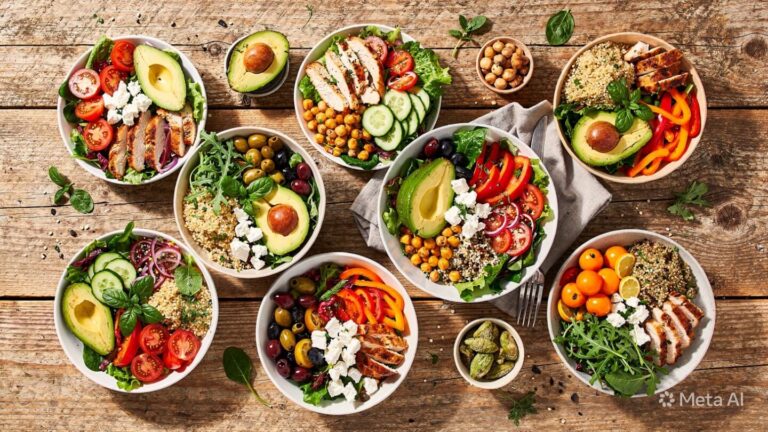
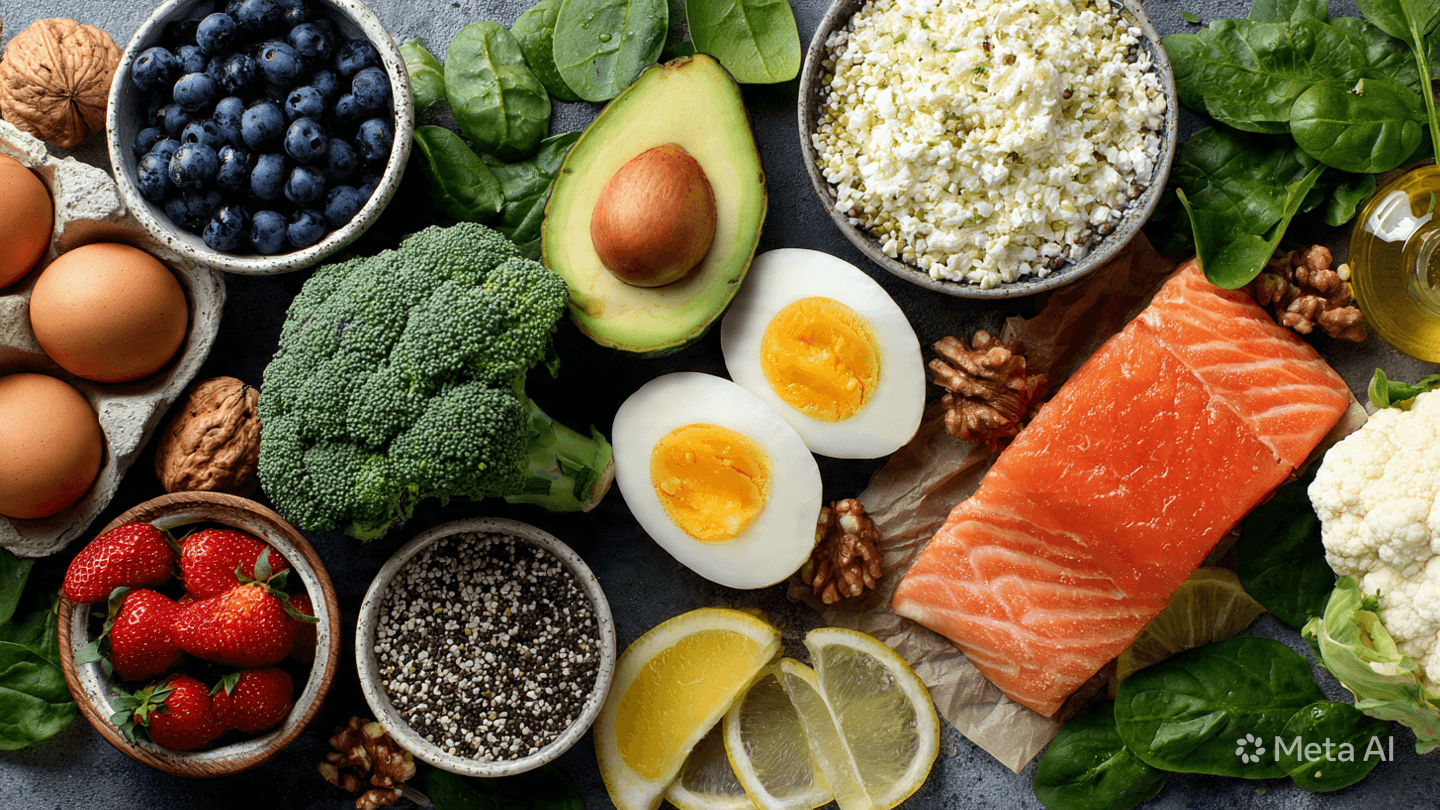
A healthy low sugar diet is built around whole, nutrient-dense foods. Here are some of the best choices:
1. Non-Starchy Vegetables
These should form the foundation of your diet. They’re low in calories, high in fibre, and packed with vitamins. Enjoy unlimited amounts of:
- Leafy greens (spinach, kale, arugula)
- Broccoli and cauliflower
- Bell peppers
- Asparagus
- Cucumbers
- Celery
2. Lean Proteins
Protein helps stabilise blood sugar and keeps you feeling full:
- Chicken and turkey (skinless)
- Fish and seafood (especially fatty fish like salmon)
- Eggs
- Tofu and tempeh
- Beans and lentils (in moderation)
3. Healthy Fats
Fat slows down sugar absorption and adds flavour:
- Avocados
- Olive oil
- Nuts and seeds
- Fatty fish
4. Whole Grains
Choose complex carbs that digest slowly:
- Quinoa
- Brown rice
- Oats
- Barley
5. Fruits (in Moderation)
Opt for lower-sugar fruits and have them with a source of protein or fat to slow sugar absorption:
- Berries (strawberries, raspberries, blueberries)
- Apples
- Pears
- Grapefruit
Quick Reference Table: Sugar Content of Common Foods
| Food | Sugar Content (per serving) | Low Sugar Alternative |
|---|---|---|
| Regular Soda (12 oz) | 39g | Sparkling water with lemon |
| Fruit Juice (8 oz) | 24g | Whole fruit (1 medium apple, 19g natural sugar with fibre) |
| Flavoured Yogurt (6 oz) | 20g | Plain Greek yoghurt (6g natural sugar) |
| Breakfast Cereal (1 cup) | 15-20g | Rolled oats with berries (1g) |
| BBQ Sauce (2 Tbsp) | 14g | Spicy mustard or hot sauce (0g) |
| Ketchup (2 Tbsp) | 12g | Salsa or tomato paste (4g) |
| Granola Bar | 12g | Handful of nuts (0g) |
| Sweet Tea (16 oz) | 36g | Unsweetened iced tea (0g) |
Tips for Success on a Low Sugar Diet
These practical strategies will help you stick with your low sugar eating plan.
Manage Cravings
Sugar cravings are real and can be intense, especially in the beginning. Here’s how to handle them:
- Eat regularly: Going too long without food can trigger cravings. Try to eat every 3-4 hours.
- Choose protein and fibre: These nutrients stabilise blood sugar, reducing the urge to reach for something sweet.
- Stay hydrated: Sometimes, thirst is mistaken for hunger or sugar cravings.
- Be patient: Your taste buds adapt over time. What once tasted too bitter (like dark chocolate) will become more enjoyable.
Plan Your Meals
Meal planning is one of the most effective tools for sticking to a low sugar diet. It prevents you from grabbing convenience foods when you’re hungry. Set aside time each week to plan and prep your meals, including healthy snacks.
Practice Mindful Eating
Slow down and savour your food. This allows you to truly taste the natural flavours of what you’re eating and helps you recognise when you’re full.
Get Enough Sleep
Lack of sleep can increase cravings for sweet, high-carb foods. Aim for 7-9 hours of quality sleep each night.
Manage Stress
Stress triggers the release of cortisol, which can increase appetite and cravings. Find healthy ways to manage stress, whether through exercise, meditation, or a relaxing hobby.
A Sample One-Day Low Sugar Meal Plan
Here’s a simple, delicious day of eating on a low sugar diet:
Breakfast:
Scrambled eggs with spinach and mushrooms, served with half an avocado. Unsweetened herbal tea.
Lunch:
Large salad with mixed greens, grilled chicken, cherry tomatoes, cucumber, and bell peppers, dressed with olive oil and balsamic vinegar.
Snack:
A small handful of almonds and a few sliced strawberries.
Dinner:
Grilled salmon with a squeeze of lemon, served with roasted broccoli and a side of quinoa.
Dessert:
A few squares of 85% dark chocolate (very low in sugar).
How much sugar should I have per day on a low sugar diet?
The American Heart Association recommends no more than 25 grams (6 teaspoons) of added sugar per day for women and 36 grams (9 teaspoons) for men . A low sugar diet aims to reduce these amounts even further, ideally keeping added sugars below 20 grams per day.
Can I eat fruit on a low sugar diet?
Yes! Whole fruit is an important part of a healthy diet. The fibre in fruit slows the absorption of sugar and provides important nutrients. Focus on lower-sugar options like berries, apples, and citrus fruits, and limit very sweet fruits like bananas and mangoes.
What about natural sweeteners like honey and maple syrup?
Honey, maple syrup, and agave are often perceived as healthier, but they are still forms of added sugar. Your body processes them similarly to table sugar. Use them sparingly, if at all, on a low sugar diet.
Will I experience sugar withdrawal symptoms?
When you first reduce your sugar intake, it’s common to experience headaches, fatigue, cravings, and mood changes . These symptoms usually peak within the first few days and subside within 1-2 weeks. Staying hydrated, eating protein-rich foods, and getting enough sleep can help manage these symptoms.
How can I eat low sugar at restaurants?
Check menus online before you go. Choose dishes with grilled, baked, or steamed proteins and vegetables. Avoid anything “glazed,” “candied,” or “sweet and sour.” Ask for sauces and dressings on the side. For beverages, stick with water or unsweetened tea.
Final Thoughts: A Sustainable Approach to Low Sugar Living
Adopting a low sugar diet is one of the best gifts you can give your body. It’s not about perfection—it’s about progress. You don’t need to eliminate every gram of sugar from your life overnight. Start small: swap one sugary drink for water, choose plain yoghurt over flavoured, and read labels a little more carefully.
Remember, your taste buds are adaptable. What tastes bland or bitter today will become more enjoyable as you reduce your sugar intake. The natural sweetness of a ripe strawberry or a crisp apple will become more pronounced and satisfying.
This journey isn’t just about cutting out something you love. It’s about discovering new favourites, feeling more energetic, improving your health, and building a relationship with food that nourishes both your body and your taste buds. So go ahead—take that first step, be kind to yourself, and enjoy the sweet satisfaction of taking control of your health.