Gluten-Free Diet: A Complete Guide to Eating Well Without Gluten
If you’ve been told you need to avoid gluten, you might be feeling a bit overwhelmed. Suddenly, foods you’ve eaten your whole life are off-limits. Bread, pasta, cereal, even soy sauce—it can feel like everything contains gluten. But here’s the reassuring truth: a gluten-free diet isn’t about deprivation. It’s about discovering a whole new world of delicious, nutritious foods that will make you feel better than ever.
Whether you have celiac disease, gluten sensitivity, or a wheat allergy, this guide will walk you through everything you need to know. We’ll cover what gluten actually is, who needs to avoid it, what you can eat, what you can’t, and practical tips for navigating grocery stores, restaurants, and social situations.
What Is Gluten and Why Does It Matter?
Gluten is a protein found naturally in certain grains, including wheat, barley, and rye . It’s what gives bread its stretchy, chewy texture and helps baked goods hold their shape. For most people, gluten is perfectly harmless. But for others, it can trigger serious health problems.
Who Needs a Gluten-Free Diet?
There are several conditions that require avoiding gluten, and they’re not all the same :
Celiac Disease
This is an autoimmune condition affecting about 1% of the world’s population . When someone with celiac disease eats gluten, their immune system mistakenly attacks the lining of the small intestine. Over time, this damage prevents the body from absorbing essential nutrients, leading to symptoms like stomach pain, bloating, diarrhoea, fatigue, headaches, and even depression . The only treatment is a strict, lifelong gluten-free diet .
Non-Celiac Gluten Sensitivity
People with this condition experience symptoms similar to celiac disease after eating gluten—like bloating, abdominal pain, and fatigue—but without the intestinal damage . It’s less well understood, but a gluten-free diet often helps manage symptoms .
Gluten Ataxia
This autoimmune condition affects nerve tissue, causing problems with muscle control, balance, and coordination. A gluten-free diet may help relieve symptoms .
Wheat Allergy
A wheat allergy is an allergic reaction to wheat proteins, which may include but is not limited to gluten. If you have this, you need to avoid wheat specifically, but you may not need to avoid barley or rye .
Can Anyone Follow a Gluten-Free Diet?
Many people without a medical condition try a gluten-free diet for weight loss or better health. While it can be a healthy way to eat, it’s important to know that gluten-free processed foods often contain more fat and sugar to improve taste and texture . Gluten itself doesn’t offer special nutritional benefits, but the whole grains that contain it are excellent sources of B vitamins, folate, iron, and fibre . If you’re going gluten-free without a medical reason, be careful to still get these nutrients from other foods.
Foods You Can Eat on a Gluten-Free Diet
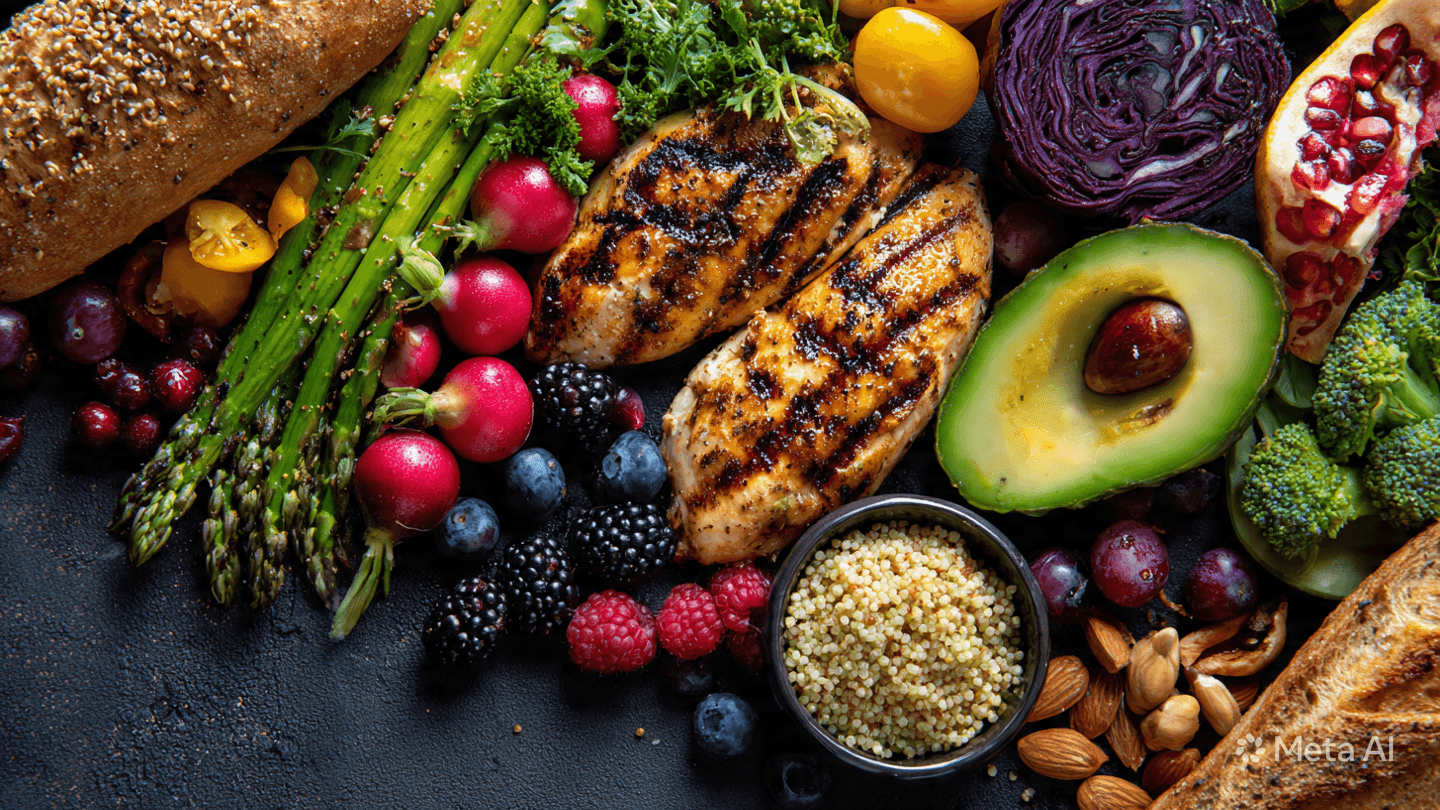
You might be surprised at how many foods are naturally gluten-free . Here’s what you can enjoy without worry:
Naturally Gluten-Free Staples
- Fresh fruits and vegetables: All fresh produce is gluten-free. Watch out for dried, frozen, or canned versions that may have sauces or additives containing gluten .
- Meat, poultry, and fish: Fresh, unprocessed meat and fish are naturally gluten-free. Avoid breaded or battered versions, processed meats with fillers, and anything marinated in soy sauce .
- Dairy: Milk, yogurt, cheese, and eggs are gluten-free. Always check flavoured yogurts and cheese spreads for hidden gluten .
- Beans, legumes, nuts, and seeds: In their natural, unprocessed form, these are all safe .
- Gluten-free grains and flours: The following grains are naturally gluten-free :
- Amaranth
- Arrowroot
- Buckwheat (also known as kasha)
- Corn (including cornmeal, grits, and polenta)
- Millet
- Quinoa
- Rice (all types, including wild rice)
- Sorghum
- Teff
- Certified gluten-free oats
A Note on Oats
Oats are naturally gluten-free, but they’re often grown, processed, or stored near wheat, which can cause cross-contamination . Always look for oats labelled “certified gluten-free” to ensure they’re safe for a strict gluten-free diet .
What About Gluten-Free Labels?
In the US, foods labelled “gluten-free” must contain less than 20 parts per million (ppm) of gluten, which is considered safe for most people with celiac disease . This label can be used on:
- Naturally gluten-free foods
- Prepared foods with no gluten-containing ingredients
- Foods that haven’t been cross-contaminated
- Foods where gluten has been processed out to below 20 ppm
Foods to Avoid on a Gluten-Free Diet
This is where you need to be careful. Gluten hides in many foods, and some sources are less obvious than others.
1. Grains That Always Contain Gluten
Avoid these grains in all forms :
- Wheat (including couscous, durum, einkorn, emmer, farro, graham, kamut, spelt, wheat germ, and wheat bran)
- Barley
- Rye
- Triticale (a cross between wheat and rye)
2. Processed Foods That Often Contain Gluten
You’ll need to read labels carefully on these common foods :
- Bread, bagels, and baked goods
- Pasta and noodles
- Cereals
- Cakes, pies, cookies, and crackers
- Croutons
- Soups, soup bases, and broth
- Gravy and sauces (including soy sauce)
- Salad dressings
- Condiments like ketchup and mustard (check labels)
- Processed meats like hot dogs, sausages, and deli meats
- Imitation seafood
- Seasoned snack foods like potato chips and tortilla chips
- Candy (some contain wheat flour)
3. Alcoholic Beverages
- Beer, ale, and lagers made from barley are not gluten-free
- Malt beverages and malt vinegar contain gluten
- Wine, distilled liquor, and fruit cider (without barley malt) are naturally gluten-free
4. Hidden Sources of Gluten
Gluten can appear in places you might not expect :
- Some medications and vitamins (wheat gluten can be used as a binding agent)
- Herbal and nutritional supplements
- Lip balms and cosmetics
- Playdough (wash your hands after using)
- Some flavoured coffee and tea
Quick Reference Table: Gluten-Free Foods
| Food Category | Safe Options | Foods to Avoid |
|---|---|---|
| Grains | Rice, quinoa, corn, millet, sorghum, teff, amaranth, buckwheat, certified gluten-free oats | Wheat, barley, rye, triticale, spelt, farro, semolina |
| Flours | Rice flour, corn flour, potato flour, bean flour, soy flour, nut flours | All-purpose flour, whole-wheat flour, self-rising flour |
| Proteins | Fresh meat, poultry, fish, eggs, beans, legumes, nuts, seeds, tofu | Breaded or marinated meats, processed meats with fillers, imitation seafood |
| Dairy | Milk, plain yogurt, cheese, butter, cream | Flavoured yogurts, cheese spreads (check labels) |
| Fruits & Veggies | All fresh fruits and vegetables | Dried or frozen versions with gluten-containing sauces or additives |
| Sauces & Condiments | Olive oil, vinegar (except malt), most mustard, pure herbs and spices | Soy sauce, gravy, salad dressings, marinades, bouillon cubes |
| Beverages | Water, wine, distilled alcohol, tea, coffee, fruit juice | Beer, ale, malt beverages, some mixed drinks |
Practical Tips for Living Gluten-Free
Transitioning to a gluten-free lifestyle is about more than just changing what you eat. Here are some practical strategies to make it easier.
1. Grocery Shopping
The perimeter of the grocery store is generally your safest bet—that’s where you’ll find fresh produce, meat, and dairy . When shopping the aisles, always read labels carefully. It’s a good habit to check every product’s ingredient list, regardless of what claims are on the packaging . Foods labelled “wheat-free” are not necessarily gluten-free, as they might still contain barley or rye .
2. Setting Up Your Kitchen
If you share your kitchen with people who eat gluten, you’ll need to be careful about cross-contamination. Even tiny crumbs can cause a reaction for someone with celiac disease . Here are some tips:
- Use separate cutting boards, cooking equipment, and utensils for gluten-free foods
- Consider buying a separate toaster for gluten-free bread
- Store gluten-free foods in a different cupboard from foods containing gluten
- Clean cooking surfaces and food storage areas thoroughly
- Use a “clean spoon” rule with spreads and condiments—never double-dip with a knife that’s touched regular bread
3. Eating Out
Dining out on a gluten-free diet requires a bit of planning, but it’s definitely possible. Check restaurant menus online ahead of time when you can . When you arrive, tell your server clearly that you need to avoid gluten and why—don’t be afraid to be specific . Ask how the food will be prepared and whether it can be made with separate, well-cleaned equipment . Pay special attention to fried foods, as shared fryers are a common source of cross-contamination .
4. Talking to Friends and Family
It’s important to let those close to you know about your dietary needs . Be open about why avoiding gluten is so important for your health. Answer their questions and help them understand that even a small amount of gluten can cause you problems. Most people will be happy to accommodate once they understand.
Sample One-Day Gluten-Free Meal Plan
To give you an idea of what a balanced gluten-free day looks like, here’s a simple plan based on naturally gluten-free foods :
1. Breakfast:
Gluten-free oatmeal with fresh berries and a handful of walnuts. (Make sure the oats are certified gluten-free.)
2. Lunch:
Large salad with mixed greens, grilled chicken, avocado, cherry tomatoes, and cucumber, dressed with olive oil and balsamic vinegar. (Check the vinegar—balsamic is gluten-free, but malt vinegar isn’t.)
3. Snack:
Apple slices with almond butter.
4. Dinner:
Baked salmon with a squeeze of lemon, served with a generous portion of steamed broccoli and quinoa.
5. Dessert:
A few squares of plain dark chocolate (check for “may contain” warnings).
What is the difference between gluten-free and wheat-free?
Wheat-free means the product contains no wheat, but it may still contain barley or rye, both of which contain gluten. Gluten-free means all sources of gluten are excluded.
Can I eat oats on a gluten-free diet?
Oats are naturally gluten-free, but they’re often contaminated with wheat, barley, or rye during growing and processing. Only oats specifically labelled “certified gluten-free” are considered safe for a strict gluten-free diet.
Is a gluten-free diet healthier?
For people with celiac disease or gluten sensitivity, it’s essential. For others, it depends on how you do it. A gluten-free diet can be very healthy if it focuses on whole foods like fruits, vegetables, lean proteins, and naturally gluten-free grains. However, gluten-free processed foods often have more sugar and fat to make up for texture and taste differences.
What nutrients might I miss on a gluten-free diet?
Whole grains are excellent sources of B vitamins, folate, iron, and fibre. If you’re avoiding gluten, be sure to get these from other sources like beans, legumes, nuts, seeds, fruits, vegetables, and gluten-free whole grains like quinoa and brown rice . Some people may benefit from a multivitamin or individual nutrient supplements.
How long does it take to feel better on a gluten-free diet?
Final Thoughts: Your Gluten-Free Journey
Adopting a gluten-free diet can feel like a big change, but it doesn’t have to be overwhelming. Start by focusing on what you can eat—all those delicious naturally gluten-free whole foods—rather than what you can’t. With time, reading labels and spotting hidden gluten will become second nature. You’ll discover new favourite foods and feel better than ever.
Remember, you don’t have to do this alone. Consider working with a registered dietitian who specialises in celiac disease and gluten-free diets—they can help you create a balanced meal plan and ensure you’re getting all the nutrients you need . There are also support groups where you can share practical advice, recipes, and tips for coping with this life-altering change.