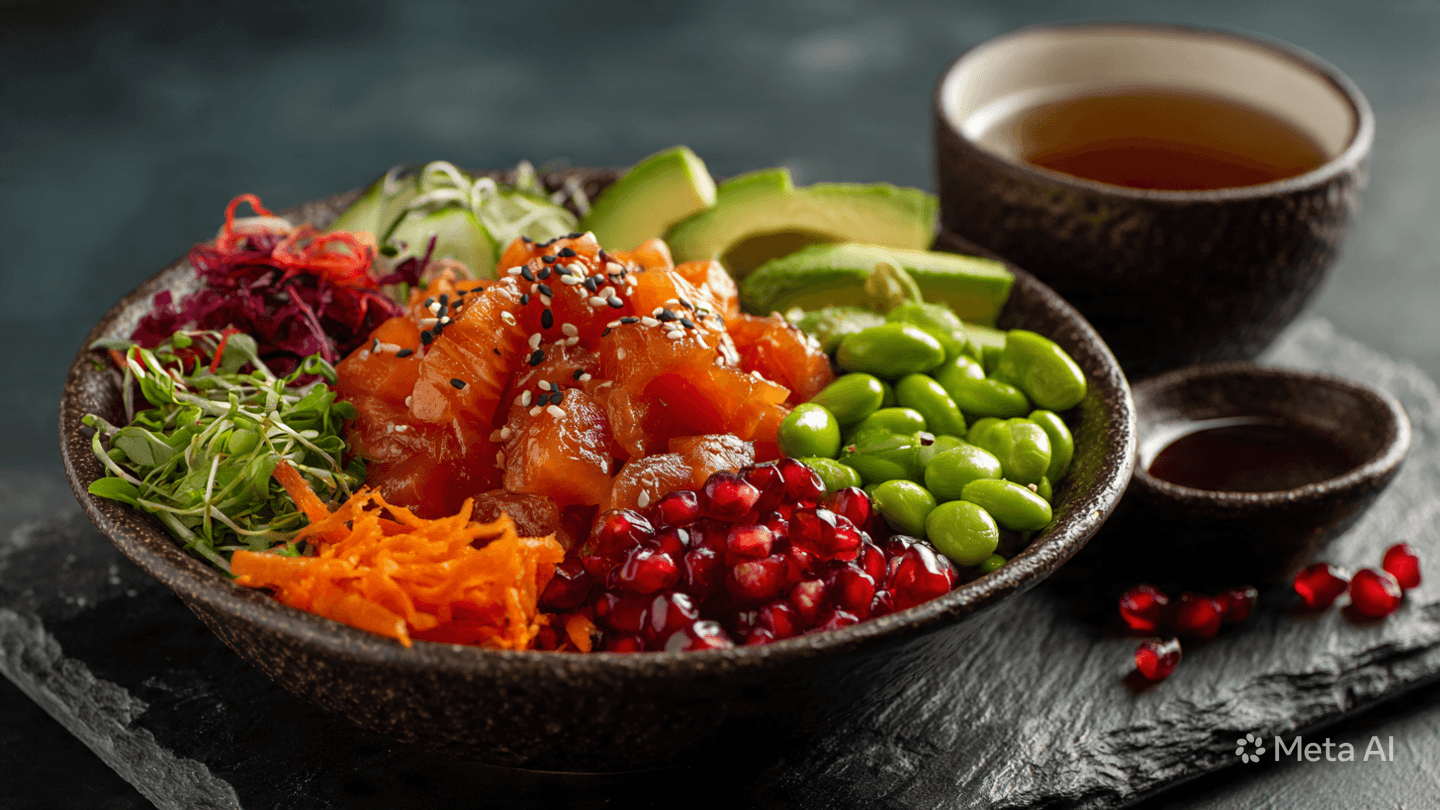
Glowing Skin Diet: Nourish Your Complexion from the Inside Out
We spend a fortune on serums, moisturisers, and treatments in pursuit of glowing skin. But what if the secret to a radiant complexion isn’t in a jar, but on your plate? The truth is, beauty truly does start from within. Your skin is the largest organ in your body, and like every other organ, it thrives on proper nutrition .
A glowing skin diet isn’t about strict deprivation or quick fixes. It’s a sustainable approach to eating that focuses on whole, nutrient-dense foods proven to support skin health, reduce inflammation, and promote a natural, radiant glow . Let’s explore how you can nourish your skin from the inside out.
The Science Behind Nutrition and Skin Health
The connection between diet and skin health, a field known as nutritional dermatology, is backed by a growing body of scientific research . Studies show that certain dietary patterns can either support or harm your skin’s function and appearance .
For instance, a diet high in refined sugar, unhealthy fats, and processed foods has been linked to increased inflammation, which can exacerbate conditions like acne, eczema, and psoriasis . This unhealthy diet may even contribute to premature aging and a dull complexion .
Conversely, a diet rich in plant-based foods, healthy fats, and adequate water provides the building blocks your skin needs to repair itself, maintain its barrier function, and fight off damage from environmental stressors like UV rays and pollution . The anti-inflammatory and antioxidant properties of these foods are particularly important for managing inflammatory skin conditions and promoting that sought-after glow .
Best Foods to Eat for Glowing Skin
To build a truly skin-nourishing diet, focus on incorporating a variety of these powerhouse foods:
Antioxidant-Rich Berries and Fruits
Berries like blueberries, strawberries, and blackberries are packed with antioxidants. These compounds protect your skin cells from “free radicals”—unstable molecules from the sun and pollution that cause damage and premature aging . Vitamin C is crucial for collagen production, which keeps skin firm and elastic . Great sources include red capsicum (bell peppers), citrus fruits, kiwifruit, and tomatoes .
Healthy Fats for Hydration
Essential fatty acids, particularly omega-3s, are vital for maintaining your skin’s lipid barrier. This barrier locks in moisture and keeps skin plump, hydrated, and supple . Excellent sources include:
- Fatty fish like salmon, mackerel, and sardines
- Nuts and seeds such as walnuts and flaxseeds
- Avocados, which are rich in healthy fats and vitamins C and E
- Extra virgin olive oil, a cornerstone of the anti-inflammatory Mediterranean diet
Protein and Key Minerals for Skin Repair
Protein is essential for collagen and elastin production, which help maintain skin firmness and structure . Key minerals like zinc and selenium also play critical roles in skin healing and protection .
- Zinc helps with inflammation control and wound healing. Find it in oysters, pumpkin seeds, chickpeas, and lentils .
- Selenium acts as a powerful antioxidant that protects skin cells. Just one or two Brazil nuts a day can provide your daily requirement . Other sources include eggs, tuna, and whole grains .
- Eggs are a powerhouse source of vitamins A and E, which support cell growth and skin hydration .
Quick Reference Table: Key Nutrients for Skin Health
Sample One-Day Glowing Skin Meal Plan
To give you an idea of how to put these principles into practice, here is a sample day of skin-supporting meals, inspired by the anti-inflammatory Mediterranean diet :
Breakfast:
Steel-cut oats with a handful of walnuts, a serving of blueberries, and a drizzle of honey.
Lunch:
A vibrant salad with mixed greens, grilled salmon (or chickpeas for a plant-based option), avocado, cherry tomatoes, cucumber, and a dressing made with extra virgin olive oil and lemon juice.
Snack:
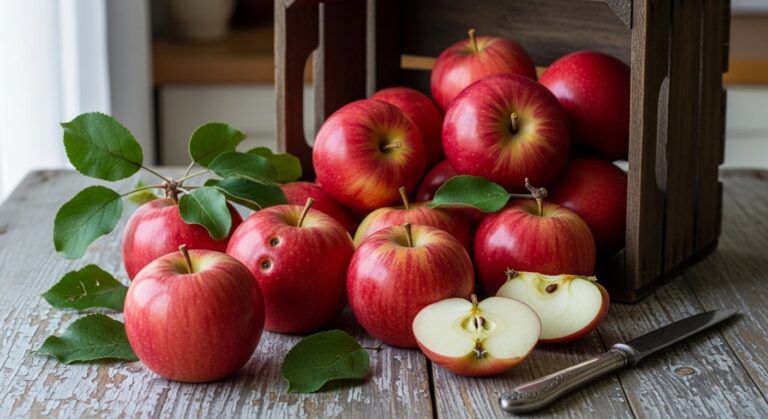
Apple slices with a tablespoon of almond butter, or a handful of pumpkin seeds.
Dinner:
Grilled chicken or tofu stir-fry with a colourful medley of vegetables: red capsicum, broccoli, and carrots. Serve over a bed of quinoa.
Dessert:
A few squares of 85% dark chocolate, which is rich in polyphenols that may help protect skin structure.
Tips for a Successful Glowing Skin Diet
To get the most benefit from your skin-nourishing diet, incorporate these simple habits.
1. Hydrate, Hydrate, Hydrate
Water is essential for maintaining your skin’s moisture levels from within. Dehydration can make your skin appear dry, tight, and prone to fine lines . Aim for at least 8 glasses of water a day and include water-rich foods like cucumber and watermelon in your diet .
2. Embrace Colourful, Whole Foods
Aim to “eat the rainbow.” The vibrant colours of fruits and vegetables signal the presence of different beneficial antioxidants and phytonutrients. A diet rich in whole, unprocessed foods is the most effective way to ensure you are getting a broad spectrum of skin-supporting nutrients .
3. Reduce Inflammatory Triggers
To support clear, calm skin, it’s wise to limit foods that can promote inflammation. This includes foods high in refined sugar, deep-fried foods, and highly processed items . For some, managing dairy and high-glycemic-index foods can also be beneficial .
4. Be Patient and Consistent
Your skin cells regenerate over weeks and months, so the benefits of a glowing skin diet won’t appear overnight. Consistency is key. Make these healthy eating habits a regular part of your lifestyle for the best long-term results.
How long does it take for diet to affect skin?
Your skin is constantly renewing itself, but it can take several weeks to a few months of consistent healthy eating to see significant improvements in your complexion. Be patient and focus on overall wellness.
Do I need to take supplements for glowing skin?
Is there a specific diet pattern that is best for skin?
Final Thoughts: Your Path to Radiant Skin
Achieving glowing skin is a holistic journey. While your skincare routine is valuable, the food you eat provides the foundational nutrients your skin needs to look its best . By embracing a glowing skin diet rich in antioxidants, healthy fats, and hydrating foods, you are not just feeding your body—you are investing in a complexion that radiates health from the inside out.
Remember, this isn’t about perfection. Start by making small, sustainable changes. Swap your afternoon sugary snack for a handful of nuts and berries, or make sure to drink an extra glass of water each day. With consistency, you will be well on your way to a naturally luminous and healthy glow.